

What is the Graded Response Action Plan (GRAP)?
The Graded Response Action Plan, or GRAP, is an emergency response mechanism that activates a set of anti-pollution measures when the air quality in Delhi-NCR deteriorates to a certain level. First notified in 2017, it is now implemented by the Commission
for Air Quality Management (CAQM). Think of it as a series of steps that become progressively stricter as the air gets dirtier. The plan is divided into four stages based on the Air Quality Index (AQI), moving from 'Poor' to 'Severe+'. Rather than a permanent ban, these are temporary, emergency measures designed to prevent the air from becoming hazardous.
Why Are Restrictions Imposed Now?
Every year, from October onwards, a combination of factors causes a sharp spike in air pollution across the region. These include falling temperatures, lower wind speeds, and emissions from sources like stubble burning in neighbouring states, construction dust, and vehicular traffic. The GRAP framework is invoked proactively, often based on forecasts, to manage the pollution crisis before it reaches a critical point. The measures for the 2026-2027 winter season include a series of restrictions that will be enforced from October 1 through the end of February.
Petrol Vehicles: The BS-III Rule
For private car owners, the most important factor is the vehicle's Bharat Stage (BS) emission standard, not its age. Under the revised GRAP rules, the plying of BS-III petrol light motor vehicles (four-wheelers) is strictly banned when Stage III restrictions are invoked. Stage III corresponds to a 'Severe' air quality day, when the AQI is between 401 and 450. This ban applies not only to Delhi but also to the key NCR districts of Gurugram, Faridabad, Ghaziabad, Gautam Buddha Nagar (Noida), and now Sonipat. If you own a BS-III petrol car, you will not be able to drive it in these areas when Stage III is active.
Diesel Vehicles: Stricter BS-IV Ban
The rules are even stricter for diesel vehicles. During Stage III of GRAP, all BS-IV diesel light motor vehicles are banned from the roads in Delhi and the specified NCR districts. This is a significant restriction, as it covers a large number of diesel cars that are not yet at the end of their legal registration life. It is crucial to check your vehicle's registration certificate (RC) to confirm its emission standard. Furthermore, a general rule bans diesel vehicles older than 10 years from operating in Delhi at any time. These GRAP restrictions are applied on top of existing regulations.
CNG, Electric and BS-VI Vehicles Are Exempt
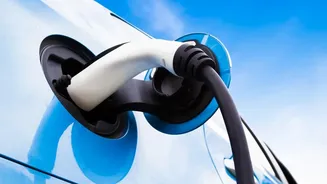
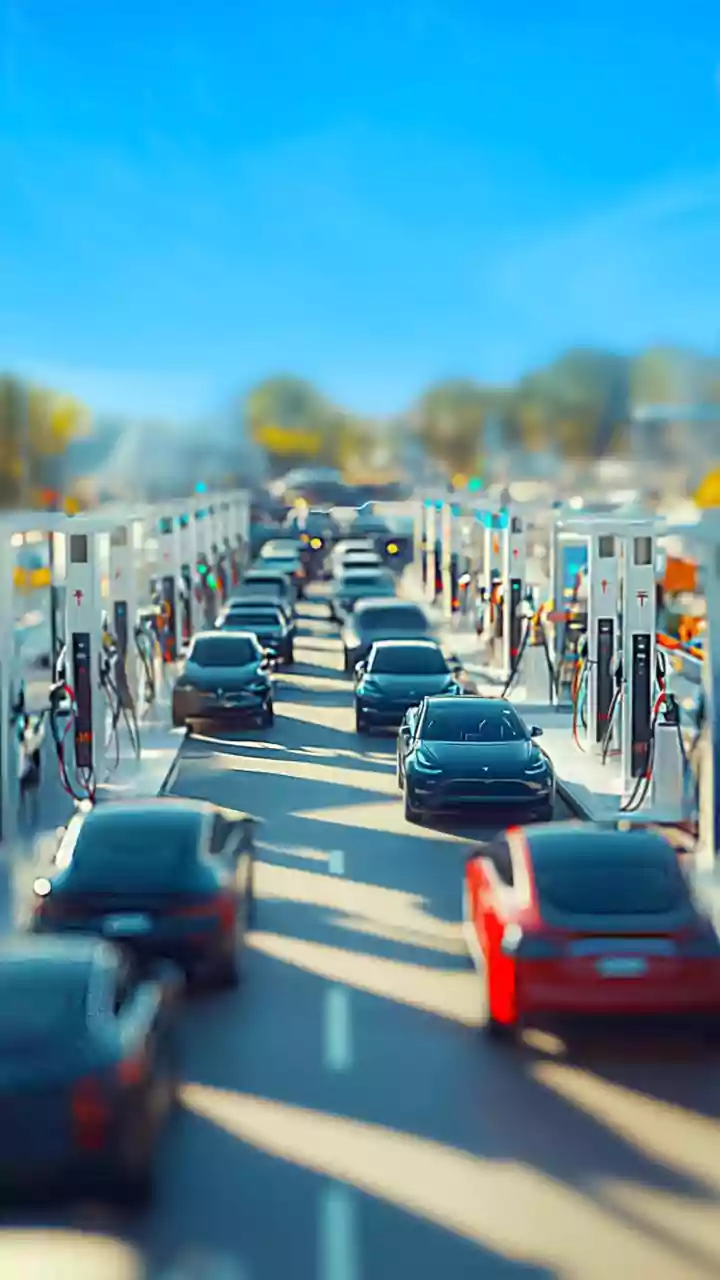
There is good news for owners of cleaner vehicles. All electric vehicles (EVs) and factory-fitted CNG vehicles are fully exempt from all GRAP restrictions on movement. Similarly, all vehicles that are compliant with the BS-VI emission standard, whether petrol or diesel, are permitted to operate without any restrictions through all stages of GRAP. These exemptions are designed to encourage the adoption of vehicles with lower emissions. Additionally, from November 1, vehicles registered outside Delhi will only be allowed to enter the city if they are BS-VI, CNG, or electric.
Fines, Exemptions, and 'No PUC, No Fuel'
Violating these restrictions can lead to heavy penalties, including a challan of ₹20,000. Limited exemptions are available. For example, BS-III petrol and BS-IV diesel cars may be used by persons with disabilities if the vehicle has been specifically adapted for their use. Emergency service vehicles are also exempt. Alongside these dynamic GRAP rules, a standing order is also in effect: the 'No PUC, No Fuel' mandate. This rule, enforced with cameras at many fuel stations, denies petrol or diesel to any vehicle that does not have a valid Pollution Under Control Certificate (PUCC).