




A Major Leap in Connectivity
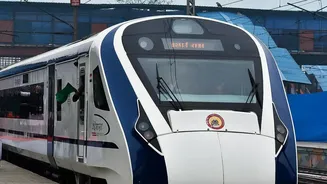
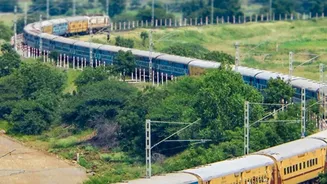
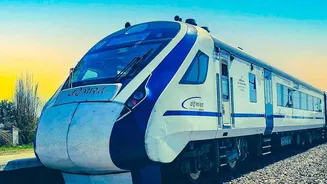
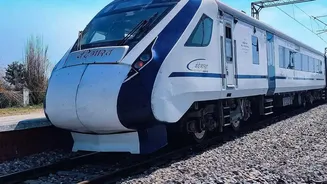
Indian Railways is set to launch its second Vande Bharat sleeper service, connecting Mumbai and Bengaluru, on November 1, 2026, to coincide with Karnataka Rajyotsava. This move marks a significant step in modernizing long-distance rail travel between
two of the nation's most crucial economic centers. Currently, the journey by train can take anywhere from 22 to over 24 hours. The new Vande Bharat sleeper aims to reduce this arduous journey to approximately 16 hours, saving passengers up to eight hours. This isn't just an incremental improvement; it's a transformation of a key travel corridor, making overnight train travel a far more competitive and attractive option compared to buses and even some flights, once check-in and travel to airports are factored in.
What to Expect Onboard
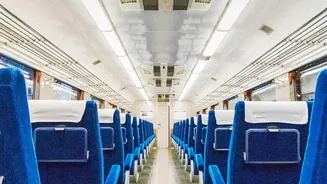
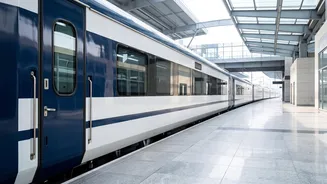
The new train redefines comfort in overnight travel. It will consist of 16 fully air-conditioned coaches with a total capacity of 823 berths. The configuration is expected to include AC First, Second, and Third Tier coaches, catering to different budgets. Developed by BEML with technology from the Integral Coach Factory (ICF), these sleeper trains are designed for a superior passenger experience. Features include ergonomically designed, better-cushioned berths, sensor-based lighting, and advanced bio-vacuum toilets with odour control. Safety is also paramount, with CCTV surveillance, an automatic fire safety system, and the indigenous Kavach anti-collision system installed. Automatic doors and interconnected vestibules will ensure a quieter, dust-free environment and safer movement between coaches.
Cutting-Edge Comfort and Speed
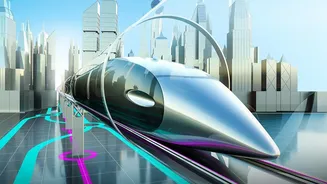
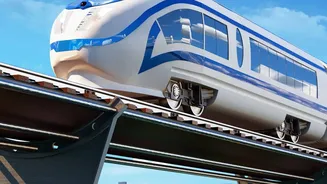
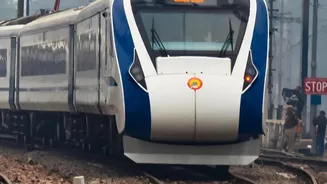
Beyond aesthetics, the Vande Bharat sleeper is an engineering achievement. Its aerodynamic design allows it to operate at speeds up to 160 km/h, with trial runs reaching 180 km/h. An advanced suspension system minimizes jerks and vibrations, promising a smoother ride compared to conventional trains. For the modern traveller, each berth is equipped with its own reading light and charging sockets. The trains also address luggage concerns with dedicated areas for large suitcases near entrances, in addition to overhead and under-berth storage, keeping the cabin clutter-free. Passengers in First AC may even have access to hot shower facilities, a luxury previously unheard of on Indian trains.
The Economic and Tourism Catalyst
The Vande Bharat network has already proven to be a significant economic driver. By improving connectivity between major cities, these trains boost business travel, facilitate trade, and encourage tourism. The Mumbai-Bengaluru route is a prime example, linking India's financial and startup capitals. A faster, more comfortable, and reliable connection will undoubtedly enable more efficient business travel for professionals commuting between the two metropolises. Furthermore, the enhanced connectivity is expected to benefit tourism, providing easier access to destinations along the proposed route, which includes stops like Solapur, Kalaburagi, and Raichur. The success of other Vande Bharat routes has shown a direct correlation with increased activity for local economies, including hotels and transport services.
The Future of Overnight Travel
The launch of the Mumbai-Bengaluru sleeper is part of a broader vision for Indian Railways. The first Vande Bharat sleeper service was inaugurated in January 2026 on the Howrah-Kamakhya route, where it has seen high demand. The introduction of this second service underscores a commitment to expanding this premium overnight network across the country. Since their inception in 2019, Vande Bharat trains have become a symbol of the 'Make in India' initiative, offering a world-class travel experience with indigenously manufactured technology. With patronage growing rapidly year-on-year, these trains are not just profitable for the railways but are also changing passenger expectations for speed, comfort, and safety.