



A Groundbreaking Initiative in Indian Sports
Long before multi-crore IPL contracts and lucrative endorsements became the norm, many cricketers played for modest match fees. Recognising the need to support players who dedicated their lives to the sport without the promise of massive wealth, the Board
of Control for Cricket in India (BCCI) introduced its pension scheme. First launched in a structured manner as the 'Monthly Gratis Scheme' in 2004, it has since become a cornerstone of the board's welfare activities. The primary goal is to provide a steady monthly income to retired cricketers, acknowledging their contribution to the game long after their playing days are over. The scheme has undergone several revisions, most notably in 2022, when pensions were significantly increased for around 900 former players and umpires.
Who Is Eligible for the Pension?
Not every player who has played professional cricket in India automatically qualifies for the pension. The BCCI has set clear eligibility criteria based on a player's contribution at the highest levels of the game. The pension is primarily for retired cricketers who have represented India in international matches or have had a substantial career in domestic first-class cricket. The key determinant is the number of matches played. While specific thresholds for all categories are maintained by the board, a well-established benchmark for the highest pension tier is having played 25 or more Test matches for India. Players who have played fewer Tests, or have only represented India in ODIs and T20Is, also qualify, but often fall into different pension brackets. The scheme also includes provisions for domestic stalwarts, ensuring those who formed the backbone of Indian cricket are also supported.
Pension Amounts: The Different Tiers
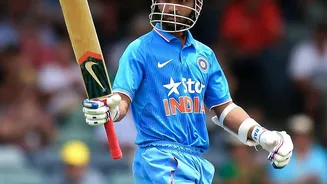
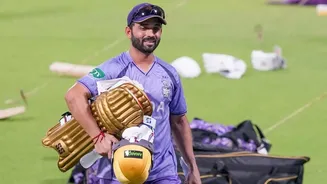
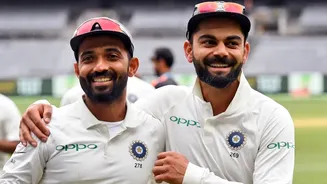
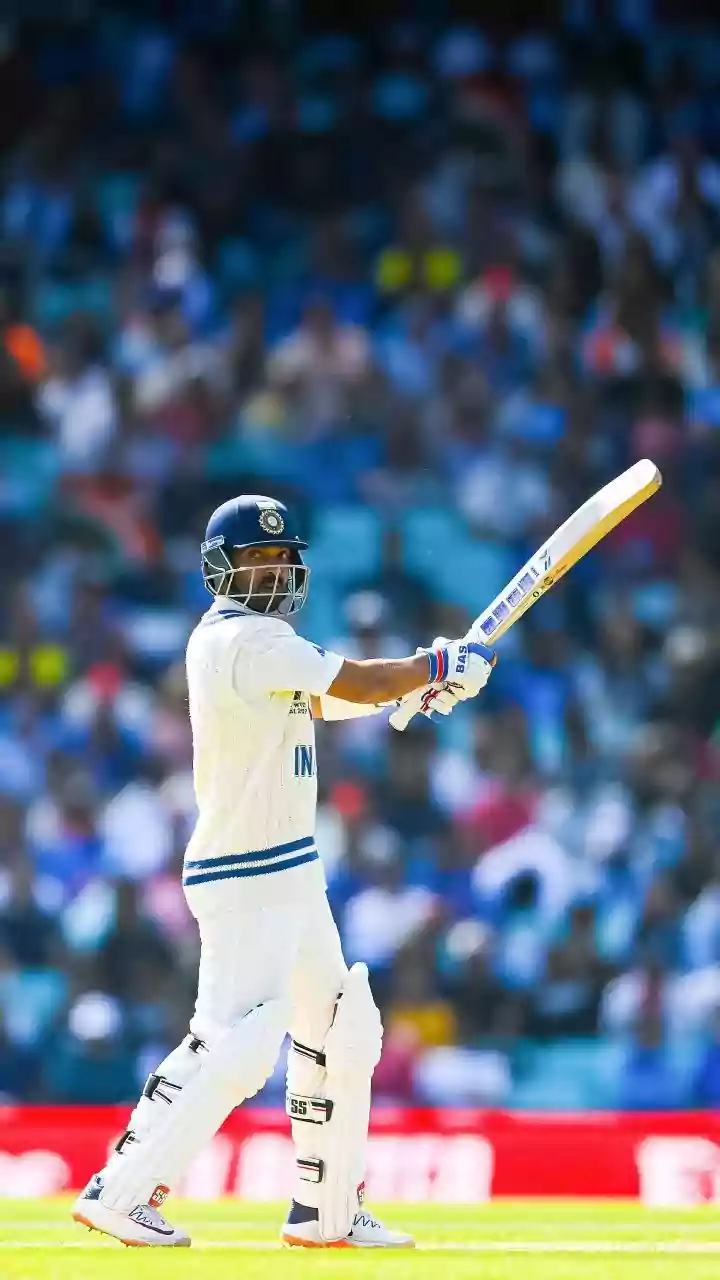
The monthly pension amount varies, creating a tiered structure based on a player's career. Following the 2022 revision, the benefits were substantially increased. The highest bracket is for former Test cricketers who have played 25 or more matches; they receive a monthly pension of ₹70,000. Players like MS Dhoni, Sachin Tendulkar, and the recently retired Ajinkya Rahane fall into this category. Other former Test cricketers receive ₹60,000 per month. The support extends robustly to the domestic level as well. Former first-class players receive ₹30,000 per month. These amounts represent a significant raise from previous figures and are designed to provide meaningful financial support.
What About Women Cricketers and Umpires?
The BCCI's welfare scheme extends beyond the men's national team. Both former women international players and retired umpires are included, acknowledging their vital contributions to Indian cricket. Following the 2022 hike, women international cricketers are eligible for a pension of ₹52,500 per month. In a move to honour pioneers, women who played first-class cricket and retired before 2003 receive a monthly amount of ₹45,000. Umpires, often described as the unsung heroes of the game, are also beneficiaries of the pension scheme, with their amounts increased as part of the board's commitment to their well-being. This inclusive approach ensures that the benefits of the scheme are distributed across different facets of the cricketing ecosystem.
Important Conditions and Rules
There are a few important conditions attached to receiving the pension. A player cannot draw a pension from both the BCCI and a state cricket association simultaneously; they must choose one. Furthermore, if a retired player accepts an official, salaried position with the BCCI, such as a coach or a national selector, their pension is temporarily suspended for the duration of their employment. It resumes once they leave the post. However, this rule does not apply to non-BCCI roles like media commentary, brand endorsements, or private coaching, which do not affect pension eligibility. In addition to the pension, former international players are also covered by a medical insurance scheme, providing further security.