




Decoding the Language of Light
Plant packets and nursery tags are your best friends, but their language can be confusing. The terms 'full sun,' 'partial sun,' and 'partial shade' aren't just suggestions; they are crucial instructions based on a plant's biological needs. In general,
these terms break down simply. 'Full sun' indicates a plant that requires at least six hours of direct, unfiltered sunlight per day to flourish. Many flowering and fruiting plants fall into this category. The terms 'partial sun' and 'partial shade' are often used interchangeably to describe a need for three to six hours of sun daily. However, there's a subtle but important difference. 'Partial shade' plants often prefer the gentler morning sun and need protection from the intense, hot afternoon rays. 'Partial sun' plants can often handle a bit more direct light, but still benefit from some relief during the peak heat of the day. Finally, 'full shade' means a plant needs less than three hours of direct sun, thriving in dappled or indirect light.
Why This Simple Step Matters
Ignoring a plant's light requirement is a recipe for disappointment. A shade-loving plant, like a delicate fern or impatiens, placed in the blazing afternoon sun will quickly suffer. Its leaves may scorch, turn brown and crispy at the edges, or the entire plant might wilt as it loses moisture faster than its roots can absorb it. The vibrant colours can bleach out, and it will be under constant stress. Conversely, a sun-worshipper like a hibiscus or bougainvillea planted in a shady corner will fail to thrive. It will likely produce weak, spindly growth as it stretches desperately towards the nearest light source. You'll see fewer, smaller flowers, or it may not bloom at all. The plant becomes more vulnerable to pests and diseases because it lacks the energy it needs, which it derives from adequate sunlight. Getting the placement right from the start saves you time, money, and the heartache of watching your green dreams wither.
Become a Sunlight Detective
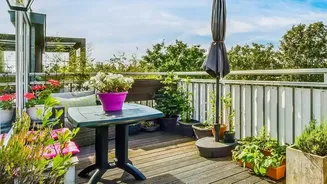
Mapping your garden’s sunlight is easier than it sounds and doesn't require any fancy equipment. The most effective method is simple observation. Pick a clear day and make a point to check on your garden space—whether it's a balcony, patio, or yard—at different intervals. Note where the sun falls at 9 a.m., noon, and 4 p.m. This will give you a clear picture of morning sun, intense midday exposure, and afternoon light. You can even use your smartphone to take a picture of the area every hour to create a visual log. Remember to consider how shadows cast by buildings, walls, or trees move throughout the day. Also, be mindful that the sun's path changes with the seasons. A spot that is sunny in the long days of summer might be in shade for much of the winter. Taking a little time to be a sunlight detective is a fundamental skill for any successful gardener.
The Right Plant for the Right Spot
Once you know your light conditions, you can choose plants with confidence. For those sun-drenched spots in an Indian garden that get over six hours of direct light, you have a wealth of beautiful, heat-tolerant options. Bougainvillea, hibiscus (Gudhal), marigolds (Genda), zinnias, and periwinkle (Sadabahar) are all classic choices that will reward you with abundant blooms. For those areas with partial shade, especially spots that are shielded from the harsh afternoon sun, consider plants like coleus for its stunning foliage, impatiens for a splash of colour, or the peace lily. Many herbs, like tulsi (Holy Basil), also appreciate full sun but can benefit from some afternoon protection in the hottest months. By matching the plant's needs to the garden's reality, you set the stage for a vibrant, healthy display that works with nature, not against it.