






The Big Question: How Much Do You Really Need?
Let's cut through the noise with a clear number. According to the Indian Council of Medical Research (ICMR), the Recommended Dietary Allowance (RDA) for a healthy, sedentary adult is 0.83 grams of protein per kilogram of body weight. For a man weighing
65 kg, that’s about 54 grams daily; for a 55 kg woman, it's around 46 grams. This isn't a bare minimum to survive; the RDA is set to meet the needs of nearly all healthy individuals (97.5% of the population). Most people who eat a balanced diet are already meeting, and often exceeding, this amount without even trying. The idea that we are all protein deficient is largely a myth. This baseline is designed to prevent deficiency and maintain normal body functions.
Myth: More Protein Always Equals More Muscle
It’s a common belief, especially in fitness circles: chugging a protein shake is a direct ticket to bigger muscles. The truth is more nuanced. While protein is absolutely essential for muscle repair and growth after exercise, simply eating more of it won't magically create muscle. Muscle growth is stimulated by resistance training; protein provides the building blocks for the repair process. Extra protein without the exercise to go with it won't build muscle. Your body can't store protein, so any excess that isn't used for repair or energy is converted and stored as fat. So, while active individuals and athletes do need more protein — typically in the range of 1.2 to 1.6 grams per kg of body weight — it’s the combination of diet and exercise that yields results, not just protein alone.
Reality: Your Needs Change With Age and Lifestyle
A one-size-fits-all approach doesn't work for protein. Needs vary significantly based on life stage and activity level. Pregnant and breastfeeding women require more to support growth. Older adults, typically those over 65, also have higher protein needs, around 1.2 to 1.6 grams per kg of body weight. This helps combat sarcopenia, the natural age-related loss of muscle mass and strength. People recovering from surgery or illness also need extra protein to help repair tissues. On the other hand, a largely sedentary person requires less protein than someone who is highly active. The key is to match your intake to your personal circumstances rather than following a generic, high-protein trend.
Myth: You Must Eat Protein Within 30 Minutes of a Workout
The concept of the 'anabolic window'—a supposed 30-minute post-workout period for optimal protein absorption—has been a cornerstone of gym lore for decades. However, recent science suggests this window is much wider than we thought, possibly lasting for several hours. While consuming protein after a workout is beneficial for recovery, the urgency isn't as critical as once believed. What matters more for most people is your total daily protein intake and distributing it somewhat evenly throughout the day. This ensures your muscles have a steady supply of amino acids for repair and maintenance. So, there's no need to panic and slam a shake the second you finish your last rep.
Reality: Too Much Protein Can Have Downsides
While high protein intake isn't harmful to the kidneys of healthy individuals, going overboard can have other consequences. If high-protein foods, particularly red and processed meats, displace other important nutrients like fibre from fruits, vegetables, and whole grains, it can lead to digestive issues. Some very high-protein diets are also high in saturated fat, which can increase the risk for heart disease. Furthermore, since excess protein calories are stored as fat, an excessively high intake can lead to unwanted weight gain. Dehydration is another potential side effect, as the kidneys work harder to process the byproducts of protein metabolism.
Myth: It's Hard to Get Enough Protein on an Indian Vegetarian Diet
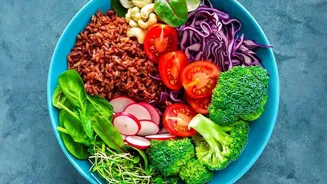
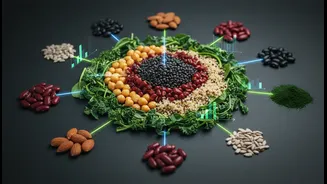
This is a persistent misconception. While Indian diets often rely on cereals for a significant portion of their protein, a well-planned vegetarian diet can easily meet daily requirements. The key is variety. Combining cereals with pulses (like dal and rice) creates a complete protein profile. Foods like paneer, tofu, chickpeas, lentils, yoghurt, milk, nuts, and seeds are all excellent sources of protein. The ICMR even suggests a balanced dietary pattern of cereal, legume, and milk in a 3:1:2.5 ratio to ensure good protein quality. Paying attention to combining these diverse sources throughout the day ensures you get all the essential amino acids your body needs without relying on meat.