


The Threat of a Landslide Dam
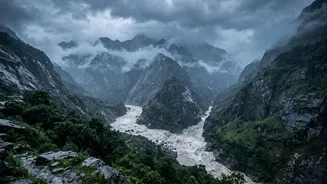
The most immediate concern for authorities is the risk of a landslide dam. The initial disaster on August 26 was likely triggered by a massive ice and rock avalanche that tumbled into the Lhende Khola river near the Nepal-China border. This torrent of debris
can block the river's flow, essentially creating a large, unstable dam made of loose rock, mud, and ice. Scientists have warned that a significant blockage remains upstream. If the water building up behind this temporary dam breaks through, it can release a sudden, violent wall of water downstream, creating a second flood wave that could be just as, if not more, destructive than the first. This phenomenon, known as a Landslide Dam Outburst Flood (LDOF), gives communities very little time to evacuate.
Glacial Lake Outburst Floods (GLOFs)
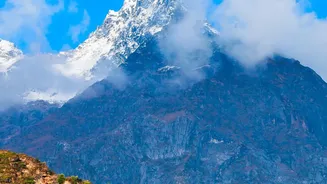
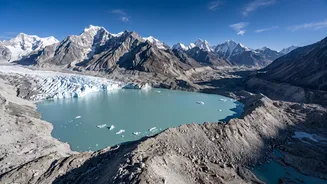
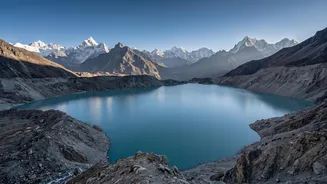
The Himalayas are often called the "Third Pole" because of their vast concentration of glaciers. As global temperatures rise, these glaciers are melting at an accelerated rate, forming large lakes dammed by unstable walls of soil and rock called moraines. There are at least 21 potentially dangerous glacial lakes in Nepal alone. A Glacial Lake Outburst Flood, or GLOF, occurs when these moraine dams fail. This can be triggered by an earthquake, an avalanche into the lake, or simply the immense pressure of the rising water. The result is a catastrophic release of millions of cubic metres of water and debris that rushes down narrow mountain valleys. While the recent disaster has not been officially classified as a GLOF, the conditions that cause them are a persistent and growing threat across the region.
An Unrelenting Monsoon
While the August 26 event was not caused by rainfall, the ongoing monsoon season dramatically increases the overall risk. Intense or prolonged rainfall on ground that is already saturated can trigger new landslides. In the Himalayas, it's common for continuous rainfall over several days to destabilise slopes. This not only threatens communities directly but could also destabilise the very landslide dam that authorities are currently monitoring. A heavy downpour could add enough weight and pressure to breach the blockage, triggering the secondary flood surge that experts fear. Furthermore, intense rain can swell rivers that are already choked with debris from the first flood, leading to further overflows and damage to weakened infrastructure.
Damaged Infrastructure and Compounding Risks
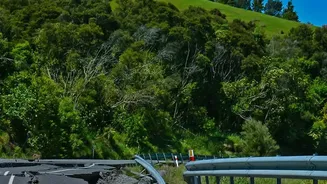
The initial flood caused widespread destruction to essential infrastructure, including roads, bridges, and hydropower plants. Nineteen bridges and nearly 40 kilometres of roads were reported damaged or destroyed. This not only hampers rescue efforts but also creates new dangers. Damaged bridges can collapse, and weakened river embankments can fail, leading to localised flooding. The destruction of hydrological monitoring stations also makes it harder for officials to track river levels and provide timely warnings to downstream communities. This complex web of risks—a potential landslide dam, the looming threat of GLOFs, and an active monsoon season acting on a damaged landscape—creates a fragile and unpredictable situation.