





Why the 'Sunshine Vitamin' Matters
Vitamin D is much more than just a vitamin; it functions like a hormone that is crucial for several bodily processes. Its most famous role is helping the body absorb calcium, which is fundamental for building and maintaining strong bones. Without enough
Vitamin D, you risk developing conditions like rickets in children and osteomalacia (soft bones) or osteoporosis in adults. But its job doesn't end there. This nutrient also supports normal muscle function, regulates the immune system to help fight off infections, and plays a role in mood and mental health. Studies show that low levels are linked to everything from fatigue and muscle weakness to an increased risk of hypertension and other cardiovascular issues. The widespread deficiency in India, therefore, is a silent public health concern affecting all ages and socioeconomic groups.
The Core Dietary Challenge
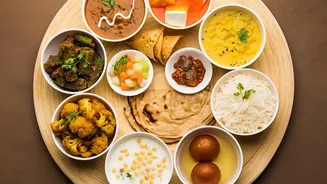
The primary reason it's hard to get enough Vitamin D from an Indian diet is simple: very few foods naturally contain it in significant amounts. This is especially true for vegetarian diets, which are followed by a large portion of the population. Unlike Vitamin C, which is abundant in fruits and vegetables, or protein found in dals and legumes, Vitamin D's natural sources are exceptionally rare in plant-based foods. The most potent sources are fatty fish and fish liver oils, which are not staples in many parts of the country, particularly in landlocked regions or among communities with strong vegetarian traditions. While egg yolks and some cheeses contain small amounts, relying on them alone is often insufficient to meet the daily requirement, which the Indian Council of Medical Research (ICMR) sets at 600 IU (International Units) for most adults.
Nature's Few Vitamin D Sources
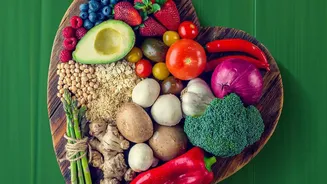
For those looking to boost their intake naturally, the list of foods is short. The best non-vegetarian sources are fatty fish like salmon, mackerel (bangda), sardines (mathi), and hilsa. Egg yolks provide a modest amount, making them one of the most accessible non-fish sources across India. For vegetarians, the options are even more limited. The only significant natural plant-based source is mushrooms, but with a crucial catch: they must be exposed to sunlight or UV light. This exposure triggers the mushrooms to produce Vitamin D2. Placing store-bought mushrooms like button or shiitake in direct sunlight for 30-60 minutes before cooking can significantly enhance their Vitamin D content. Beyond this, natural vegetarian sources in a typical Indian kitchen are practically non-existent.
Fortification: A Modern Solution
Recognising the dietary gap, food fortification has emerged as a key public health strategy in India. The Food Safety and Standards Authority of India (FSSAI) has regulations for adding Vitamin D to common staples. When you see 'fortified' on a label, it means the nutrient has been added during processing. The most common fortified products in the Indian market include milk, edible oils, and some breakfast cereals. Brands like Amul and Mother Dairy offer fortified milk options. Fortified plant-based milks (like soy or almond), yoghurts, and orange juice are also becoming available, providing valuable options for everyone, including vegans. It's essential to read the nutrition label, as regular, unfortified versions of these products contain little to no Vitamin D.
What About Sunlight?
While diet is the focus, we can't ignore our main source: sunlight. Our skin produces Vitamin D when exposed to the sun's UVB rays. However, several factors complicate this in India. Darker skin tones, which have more melanin, require longer sun exposure (around 40-60 minutes) to produce the same amount of Vitamin D as lighter skin. Modern indoor lifestyles, air pollution that blocks UVB rays, and the cultural practice of wearing clothing that covers most of the skin further limit our ability to synthesise this vital nutrient. For effective production, experts recommend exposing arms and legs to direct sunlight between 10 AM and 3 PM for a short period, a few times a week, without sunscreen. Early morning or late evening sun, while pleasant, has insufficient UVB rays for significant Vitamin D production.