


The Alpine Majesty of Issyk-Kul Lake
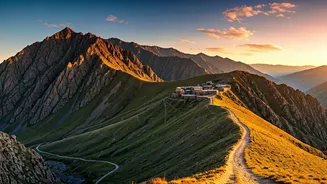
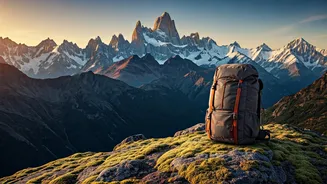
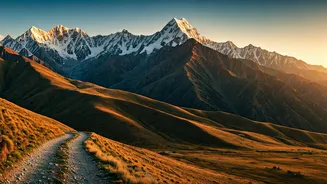
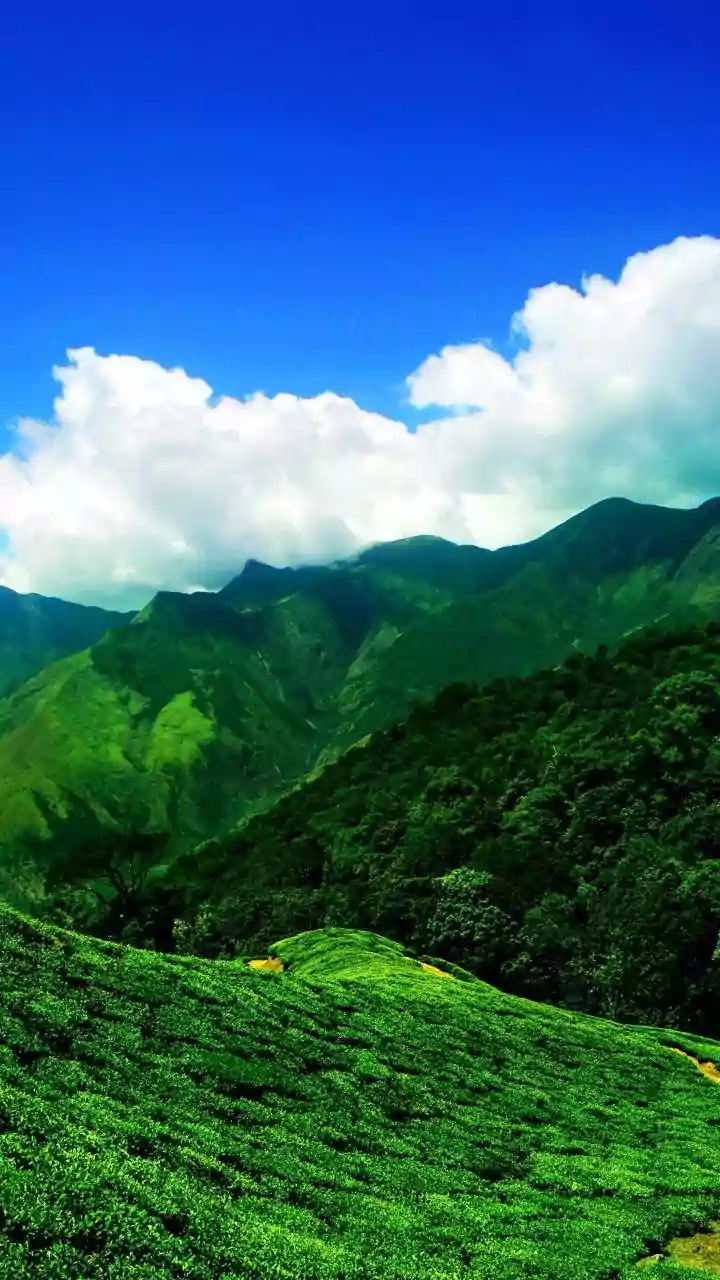
Forget crowded beaches; Kyrgyzstan offers the world's second-largest alpine lake, Issyk-Kul. This enormous body of water, whose name means "hot lake" because it never freezes, is the country's heart. Surrounded by the snow-capped Tian Shan mountains,
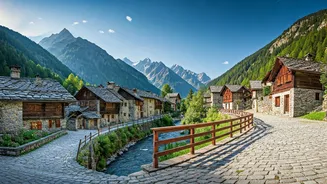
its southern shore is a paradise for adventurers. Here, you can hike through dramatic canyons, relax on sandy beaches (yes, really!), and visit traditional villages. It’s a world away from a stuffy museum tour, offering a living landscape that tells a story of geological time and human resilience. For Indian travellers, the dramatic mountain scenery feels both familiar and spectacularly new, like a grander, wilder version of our own Himalayan foothills.
The Nomadic Soul at Song-Kul Lake
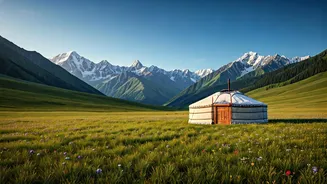
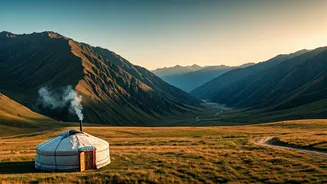
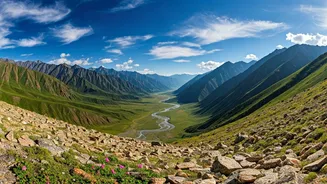
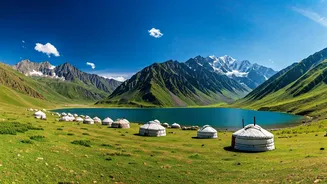
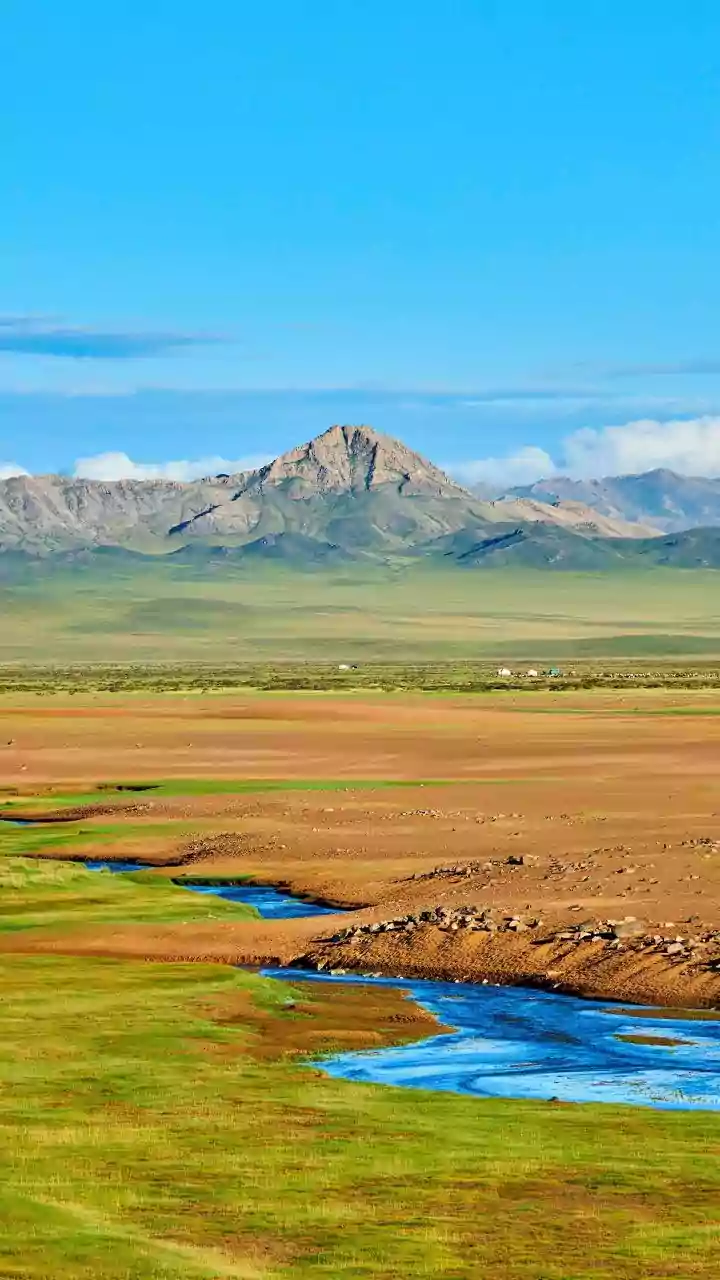
To truly understand Kyrgyzstan, you must experience its nomadic soul. High in the mountains at over 3,000 metres lies Song-Kul, a smaller, more intimate lake surrounded by lush summer pastures ('jailoos'). This is where semi-nomadic shepherds bring their flocks from June to September. The only way to stay here is in a traditional felt yurt, a portable home perfected over centuries. Spend your days horseback riding across endless green hills, watching shepherds tend their sheep, and sharing bowls of 'kumis' (fermented mare's milk) with your host family. At night, with no city lights to pollute the view, you’ll witness a carpet of stars so brilliant it feels close enough to touch. This isn’t a curated cultural show; it’s a genuine immersion into a way of life that has endured for generations.
The Fairytale Canyons of Jeti-Oguz
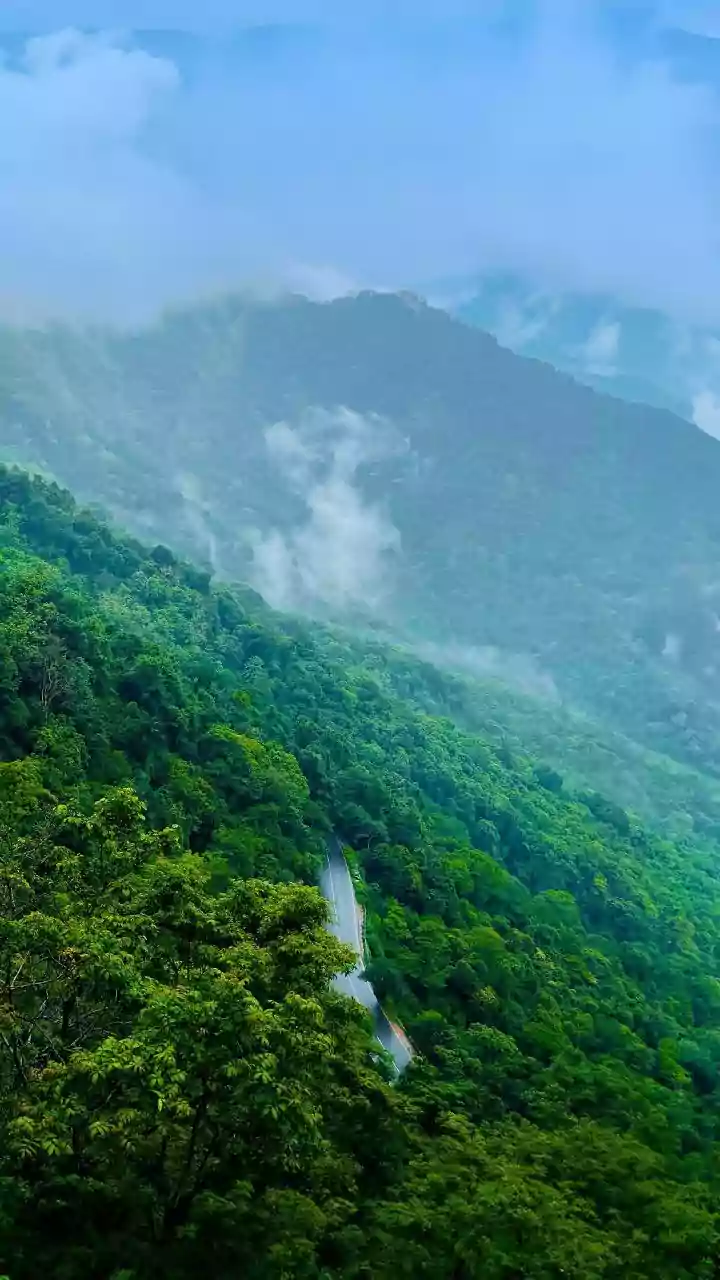
A short drive from the town of Karakol lies Jeti-Oguz, a valley famous for its striking red sandstone formations. The most iconic are the 'Seven Bulls,' a row of crimson cliffs that look like sleeping giants, and the 'Broken Heart,' a single, massive rock split in two. Legends and love stories are woven into these rocks, which local guides are always happy to share. Beyond the famous formations, the valley opens up into a lush gorge perfect for day hikes or multi-day treks. Following the river upstream, you pass through pine forests and fields of wildflowers, with the occasional yurt camp providing a perfect stop for tea. It’s a photographer’s dream and a hiker's delight, offering dramatic scenery without the need for extreme mountaineering.
The Cultural Hub of Karakol
While Bishkek is the capital, Karakol is arguably the cultural and adventure hub of the country. This charming town, once a Russian military outpost, is the perfect base for exploring Issyk-Kul and the surrounding mountains. But the town itself holds unique treasures. Visit the Dungan Mosque, a vibrant wooden structure built in 1910 without a single nail, resembling a Buddhist pagoda more than a traditional mosque. Just a short walk away is the Holy Trinity Orthodox Cathedral, another beautiful wooden church with a fascinating history. Karakol’s bustling animal market is a raw, authentic slice of local life, and the town is home to some of the country's best food, including the delicious Ashlan-Fu, a cold, spicy noodle soup.
The Otherworldly Landscapes of Skazka Canyon
Nicknamed 'Fairy Tale Canyon', Skazka is a place where your imagination can run wild. Located on the southern shore of Issyk-Kul, this small but spectacular canyon is a maze of geological wonders. Years of erosion by wind and rain have carved the red, yellow, and orange earth into fantastical shapes that resemble sleeping dragons, castles, and otherworldly creatures. It's an easy place to explore on foot, with small trails winding through the colourful formations. The experience is like walking on another planet. Visiting at sunrise or sunset is particularly magical, as the low light intensifies the colours, making the entire landscape glow. It’s a powerful reminder that the most breathtaking art is often created by nature itself.