






Start with a Realistic Figure
Before you even think about specific purchases, decide on a total budget. This is the most crucial step. Look at your savings and any expected festive bonus, and set a realistic amount you can spend without dipping into credit or next month's salary.
If you receive a bonus, a wise move is to allocate it upfront: one part for celebrations, one for savings, and one for paying down any existing debt. This creates a guilt-free festival fund. A good rule of thumb is to hold back 10-15% of your total budget as a buffer for unexpected costs, like extra guests or a last-minute gift.
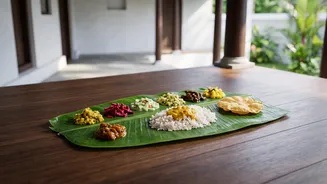
The Grand Feast: Onam Sadhya
The Onam Sadhya is the heart of the culinary celebrations, a feast that can include more than 26 dishes. This can also be a major expense. Decide whether you will cook at home or opt for a catered meal. Cooking is often more budget-friendly, especially for a large family. If you do, plan your menu in detail and shop for non-perishable ingredients in advance. For those living outside Kerala or with less time, many restaurants offer Sadhyas, with prices ranging from budget-friendly options around ₹600 to luxury hotel feasts costing over ₹3,000 per person. Booking these early is essential as they sell out fast. Another great option is a potluck, where each family in a community or group of friends prepares a dish, sharing the cost and effort.
New Attire: Onakkodi for the Family
Onakkodi, the tradition of wearing new clothes for Onam, is a cherished part of the festival. The key to managing this expense is to shop early. Many stores have pre-Onam sales weeks before the main festival rush, which begins around the day of Chodhi. Waiting until Uthradam, or the day before Thiruvonam, means facing the biggest crowds and highest prices. Make a clear list of who you need to buy for and stick to it. Prioritise quality over quantity; a single, beautiful Kasavu saree or mundu that will be worn for years is a better investment than several trendy, impulse buys.
Home and Hearth: Pookkalam and Decorations
The Pookkalam, or floral carpet, is a daily ritual for ten days, and the cost of flowers can add up significantly. The design traditionally grows larger each day, increasing the expense as Thiruvonam approaches. To save money, buy flowers from local morning markets rather than pre-packaged kits. You can also bulk out the design with more affordable leaves and greenery. A wonderful way to manage costs and build community spirit is to create a shared Pookkalam with neighbours in an apartment building or on your street, splitting the daily flower bill among several households. For other decorations, embrace a DIY approach or reuse items from previous years.
Gifts and Travel
Onam gifting is typically about warmth and thoughtfulness rather than extravagance. It often involves giving Onakkodi to elders and small presents to children. List everyone you plan to give a gift to and set a per-person spending cap to ensure the total stays within your budget. For many Malayalis working outside Kerala, travel is the single largest Onam expense. Fares for flights, trains, and buses to Kerala peak during the festival week. The best strategy is to book your travel as far in advance as possible. Monitoring fares weeks ahead of time can result in substantial savings compared to last-minute bookings.