



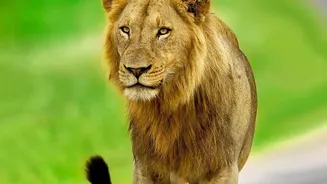
A Homecoming 144 Years in the Making
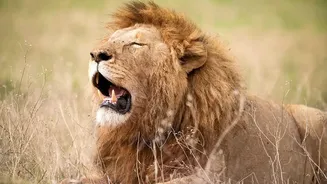
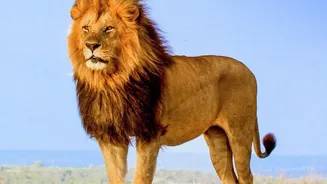
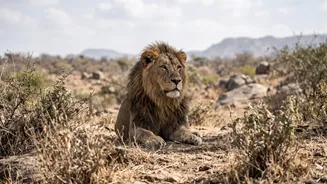
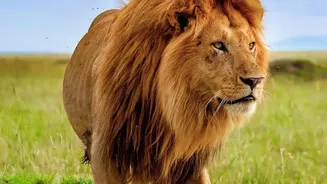
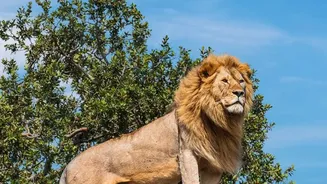
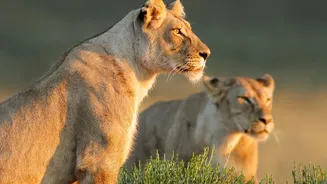
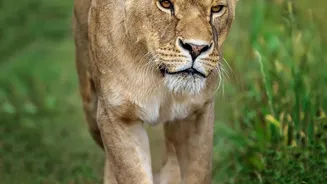
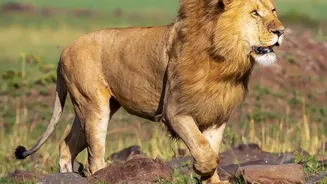
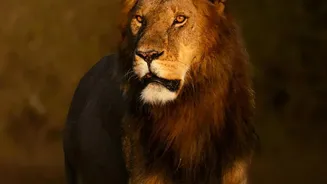
In a moment celebrated by conservationists across India, the Barda Wildlife Sanctuary in Gujarat is once again home to the roar of the Asiatic lion. The last recorded presence of a lion in this region was in 1879. Their return marks a pivotal chapter
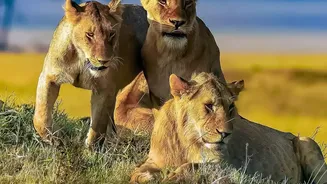
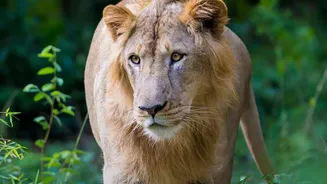
in one of the world's greatest wildlife recovery stories. The process began in January 2023, when a lone male lion naturally dispersed from the greater Gir landscape and journeyed to Barda, a testament to the species' instinct to find new territory. Following this pioneering move, the Gujarat Forest Department strategically introduced five females to help establish a viable, breeding population. As of late 2026, the sanctuary is home to a growing family of 17 lions, including six adults and eleven cubs, signifying a successful recolonisation.
The Science Behind a Second Home
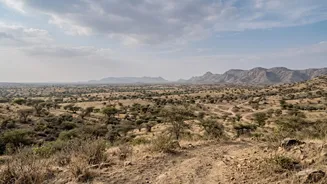
The establishment of a lion population in Barda is no accident; it is the culmination of decades of planning and scientific assessment. The Gir-Barda conservation initiative was first conceptualised in 1979 to create an alternative habitat for the lions. The need for a second home became critically urgent after a Canine Distemper Virus outbreak killed 28 lions in Gir in 2018, highlighting the catastrophic risk of having the entire global wild population in a single location. A recent scientific study published in the journal PLOS One confirmed Barda's suitability. Researchers radio-collared six of the lions and tracked over 169,000 GPS locations between 2023 and 2025 to study their behaviour, diet, and habitat use, concluding that Barda's rugged terrain, mixed forests, and grasslands offer favourable conditions for a long-term population.
Building a Sustainable Ecosystem
A thriving lion population needs a robust prey base. Early surveys revealed that Barda's natural prey numbers were low. To address this, the Gujarat Forest Department has been actively working to enhance the sanctuary's ecosystem. Since 2007, hundreds of captive-bred spotted deer (chital) and sambar have been released. More recently, in 2025-26, an additional 441 chital were translocated from the prey-rich Gir sanctuary to Barda using the 'Boma' technique, a method of gently herding animals into enclosures for transport. Dietary analysis from the PLOS One study showed that while wild prey like wild pig, nilgai, and spotted deer make up about 72% of the lions' food, domestic cattle still account for a significant portion. Boosting the wild prey population is therefore critical to supporting the lions and minimising potential conflict with local pastoral communities.
Challenges and the Road Ahead
While the return of lions to Barda is a triumph, the journey is far from over. Scientists and forest officials point to several challenges that require proactive management. Ensuring the genetic diversity of this new, small population is crucial for long-term health and resilience against disease. Preventing human-lion conflict is another top priority, as lions establishing new territories may venture near settlements. The Gujarat Forest Department has deployed dedicated lion trackers to monitor the animals' health and movements. Furthermore, while Barda provides a much-needed 'population buffer', some experts note that at about 100 km from Gir, it may not be distant enough to fully safeguard the species from a widespread regional epidemic. The ultimate success of Barda will depend on continued scientific monitoring, habitat protection, and the support of local communities to ensure humans and lions can coexist.