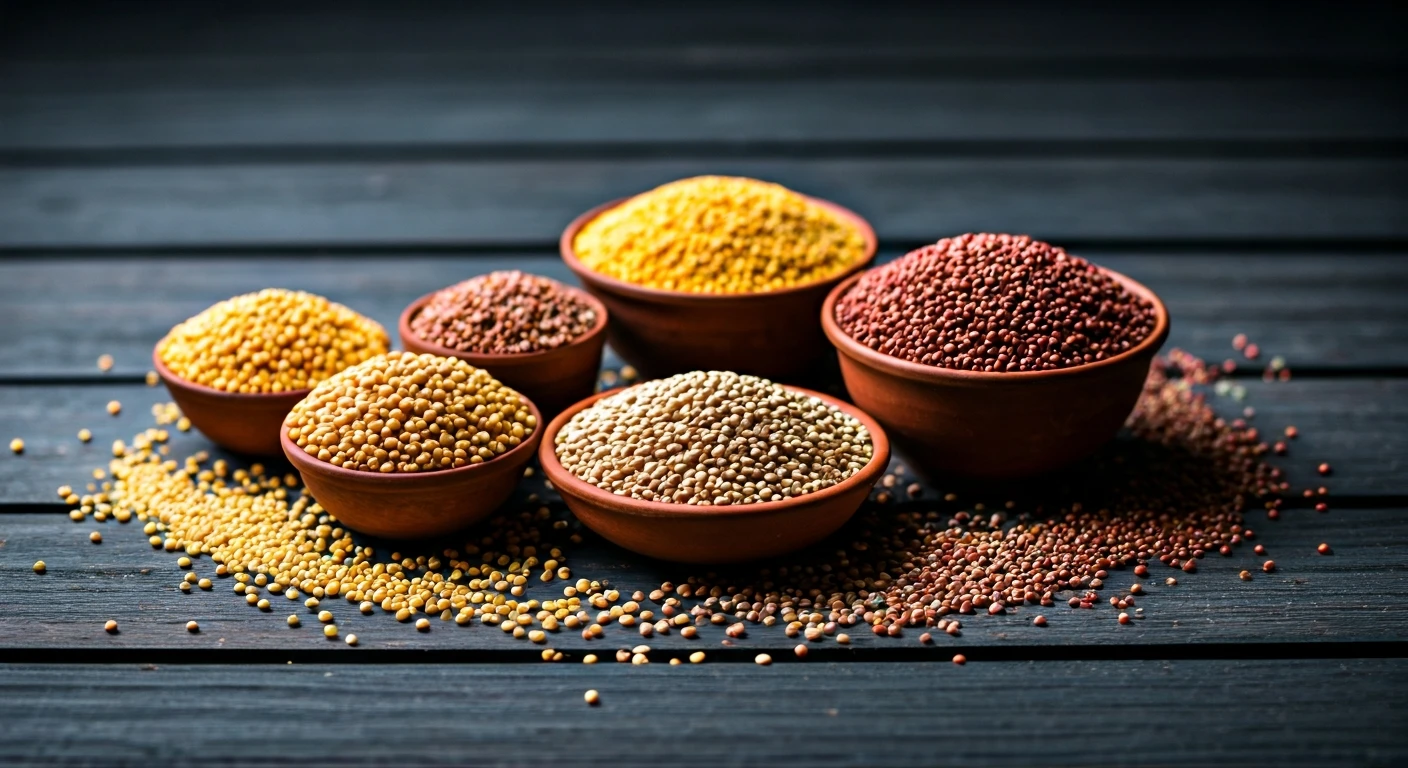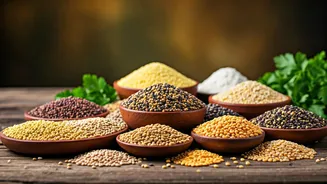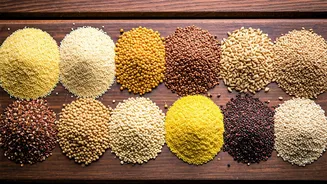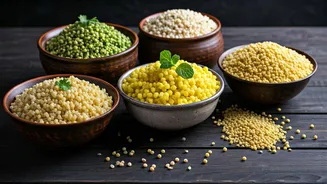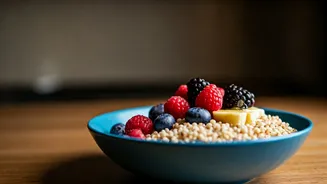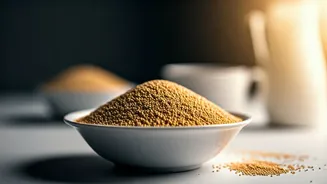



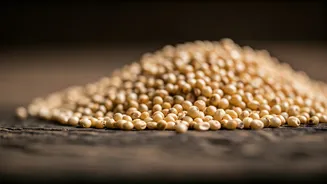


1. Foxtail Millet (Kangni/Thinai)
Often considered the best starting point for those new to millets, foxtail millet has a taste and texture that closely resembles rice. It is a nutritional powerhouse, boasting nearly double the protein and significantly more fibre than white rice. Its
low glycemic index helps in managing blood sugar levels, making it an excellent choice for diabetics. Foxtail millet is also rich in iron and calcium, which are crucial for preventing anaemia and strengthening bones. This millet is naturally gluten-free and easy on the digestive system. To cook, rinse one cup of foxtail millet thoroughly. Soaking is key; let it sit in water for at least an hour, or ideally up to 6-8 hours, to make it fluffier and more digestible. Use a 1:2 or 1:2.5 millet-to-water ratio. You can cook it in an open pan by bringing the water to a boil, adding the drained millet, and simmering on low heat for 15-20 minutes until the water is absorbed. Let it rest for ten minutes before fluffing with a fork.
2. Finger Millet (Ragi/Nachni)
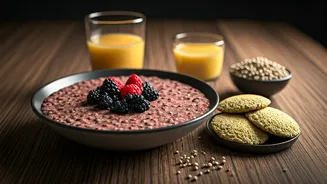
Known for its dense nutritional profile, finger millet, or ragi, is a true superfood. It is celebrated for its exceptional calcium content, making it vital for bone health and preventing osteoporosis. Ragi is also rich in fibre, which aids in weight management by keeping you feeling full for longer. It can be consumed as whole grains, though it is more popularly used in its flour form for rotis and porridges. When cooked as a whole grain, it has a slightly earthy flavour that pairs well with traditional Indian curries. To prepare ragi as a rice substitute, it’s best to use whole grains. Wash one cup of whole ragi and soak it overnight. This helps in reducing the anti-nutritional factors and makes cooking easier. Use a 1:2 ratio of ragi to water. Pressure cook for 2-3 whistles or cook in an open pot until the grains are soft and have absorbed all the water. It can be served plain or used as a base for dishes like khichdi and pulao.
3. Pearl Millet (Bajra/Kambu)
Pearl millet, commonly known as bajra, is a staple in many parts of India, especially during the winter. It is packed with iron, protein, and magnesium, making it beneficial for heart health and energy levels. The high fibre content promotes healthy digestion and can help prevent constipation. Being naturally gluten-free, bajra is a safe and nutritious option for those with gluten sensitivity. It has a distinct nutty flavour that adds a new dimension to meals. Cooking bajra requires a little preparation. It's best to soak one cup of whole pearl millet for at least 8 hours. After soaking, drain the water. Use a 1:2.5 ratio of millet to water for cooking. You can cook it in a pressure cooker for 3-4 whistles or simmer it in a pot for about 25-30 minutes until tender. Fluff it with a fork before serving. It works wonderfully as a replacement for rice with dals and vegetable curries.
4. Little Millet (Kutki/Samai)
Don't be fooled by its name; little millet packs a big nutritional punch. It is particularly rich in dietary fibre, B-vitamins, and essential minerals like iron and magnesium. This makes it excellent for digestive health, helping to prevent issues like constipation and bloating. Its low glycemic index is beneficial for managing blood sugar levels and makes it a great grain for weight management. Little millet is one of the quickest cooking millets and has a light, fluffy texture when prepared correctly. One of the advantages of little millet is that it doesn't require long soaking times, though a 30-minute soak is recommended. Use a 1:2 millet-to-water ratio for a rice-like consistency. Simply bring the water to a boil in a pot, add the rinsed millet, and cook on low flame for about 10-15 minutes until the water is absorbed. After cooking, let it sit covered for 5-10 minutes before fluffing it up.
5. Kodo Millet (Kodra/Varagu)
Kodo millet is highly valued for its medicinal and nutritional properties, especially for those managing diabetes. It has a high fibre content and is rich in antioxidants called polyphenols. This millet is also a good source of iron, calcium, and magnesium. Regular consumption can aid in blood purification and help regulate blood pressure. Like other millets, it's gluten-free and easy to digest, making it suitable for a wide range of dietary needs. To cook kodo millet, proper soaking is important. Wash one cup of millet and soak it for at least 30 minutes, though 6-8 hours is ideal for better digestion and nutrient absorption. Use a water ratio of 1:2.5 or 1:3. You can cook it in a pressure cooker for 2-3 whistles or in an open pan for 15-20 minutes on a low flame. Once cooked, let it rest before serving. It pairs well with sambar, rasam, and yogurt-based curries.