





The Enduring Appeal of Ragi
For thousands of years, ragi, also known as finger millet, has been a staple in Indian households, and for good reason. This humble superfood is experiencing a resurgence as people rediscover its incredible health benefits. Naturally gluten-free, ragi is an excellent
choice for those with gluten sensitivities or anyone looking to diversify their diet. What makes it a true breakfast champion is its impressive nutritional profile. It is one of the best non-dairy sources of calcium, crucial for strong bones and teeth. Furthermore, it is packed with dietary fibre, which aids digestion and promotes a feeling of fullness, helping to prevent mid-morning snack cravings and manage weight.
A Breakfast Powerhouse
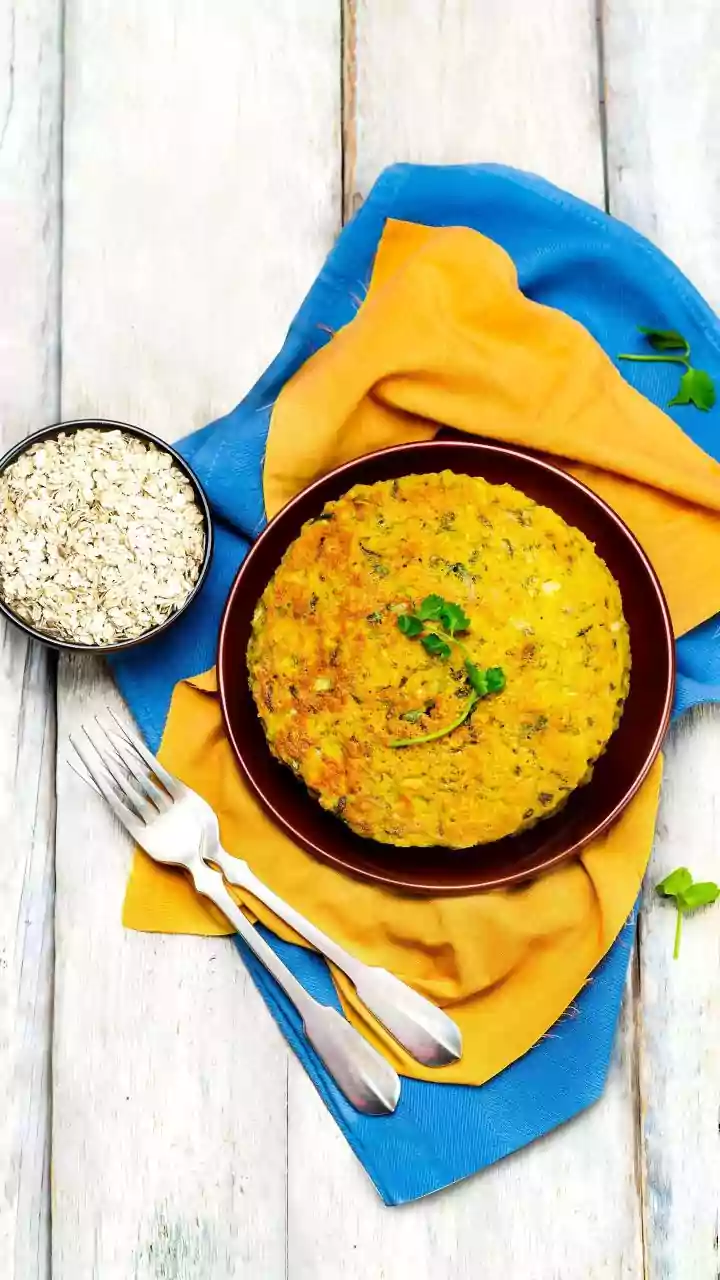
Beyond fibre and calcium, ragi is also a good source of iron, which is essential for maintaining energy levels and combating fatigue. For individuals managing blood sugar, ragi is an excellent option due to its low glycaemic index, which means it releases sugar into the bloodstream slowly, preventing sharp spikes. This ancient grain offers sustained energy release, making it the ideal fuel for a busy morning. By incorporating these savoury crepes, often called ragi dosa, into your routine, you’re not just making a quick meal; you’re making a positive choice for your overall well-being.
Quick Savoury Ragi Crepe Recipe
This instant recipe delivers crispy, flavourful crepes without the need for overnight fermentation, making it perfect for a “quick breakfast.” To serve about 2-3 people, you will need the following ingredients: 1 cup of ragi flour, ½ cup of rice flour for crispiness, and ¼ cup of fine semolina (rava). For the flavouring, gather 1 finely chopped medium onion, 1-2 finely chopped green chillies, 1 teaspoon of grated ginger, a few chopped curry leaves, 2 tablespoons of chopped coriander, 1 teaspoon of cumin seeds, and salt to taste. You will also need about 3-4 cups of water and oil or ghee for cooking.
Step-by-Step Preparation
Begin by combining the dry ingredients—ragi flour, rice flour, semolina, and salt—in a large mixing bowl. Whisk them together, then gradually add about half the water, mixing continuously to create a smooth, lump-free paste. Now, stir in the chopped onion, green chillies, ginger, curry leaves, coriander, and cumin seeds. Add the remaining water bit by bit until you have a very thin, runny batter, similar to the consistency of buttermilk or thin milk. Let the batter rest for 15 to 30 minutes. This allows the flours and semolina to hydrate properly, which is key to a crispy texture.
Tips for Perfectly Crispy Crepes
The secret to a perfect, lace-like ragi crepe lies in the technique. Heat your non-stick or cast-iron tawa over a medium-high flame until it's very hot. You can test it by sprinkling a few drops of water; they should sizzle and evaporate immediately. Before making each crepe, stir the batter well, as the flour tends to settle at the bottom. Instead of spreading the batter like a traditional dosa, pour it from a height in a circular motion, starting from the edges and moving towards the centre. The hot pan will create natural holes, which help the crepe cook evenly and become crispy. Drizzle a teaspoon of oil or ghee around the edges and cook on medium flame for 3-4 minutes, until the edges turn golden brown and start to lift from the pan. There is usually no need to flip it.
Serving and Variations
These savoury ragi crepes are best served hot, straight off the tawa, to be enjoyed at their crispiest. They pair wonderfully with a variety of accompaniments. Classic pairings include coconut chutney, spicy tomato chutney, or a bowl of hot sambar. For a simpler meal, even a side of pickle or plain curd works beautifully. You can easily customize the batter by adding other finely grated vegetables like carrots, cabbage, or beetroot for added nutrition and colour. Leftover batter can be stored in the refrigerator for up to two days, though it may thicken slightly and require a little water to adjust the consistency before use.