



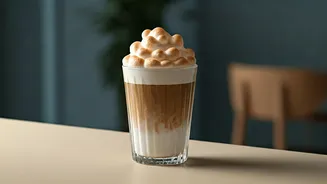


The Evolution of Foam
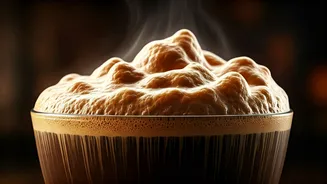
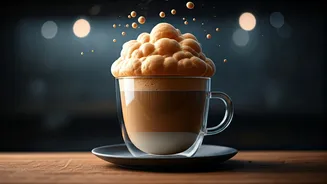
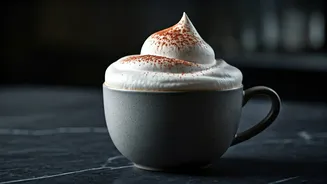
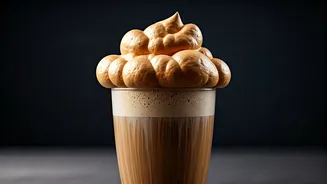
First, it was latte art. Now, it’s the foam itself that has become the main event. This isn’t the airy froth of a standard cappuccino. We’re talking about dense, velvety, and structurally ambitious creations that turn a simple coffee into a multi-sensory
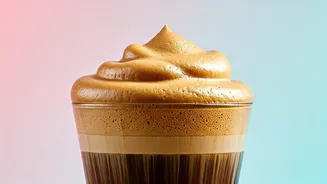
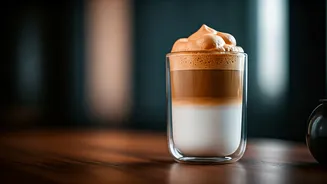
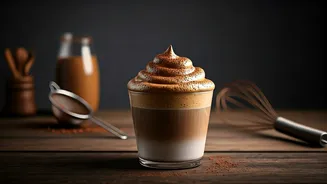
experience. The trend exploded globally during the 2020 pandemic with Dalgona coffee—a simple concoction of instant coffee, sugar, and hot water whipped into a thick, caramel-coloured fluff and spooned over milk. Its viral spread on platforms like TikTok was driven by its photogenic nature and the fact that anyone with a whisk and some patience could create a café-style drink at home. But what started as a quarantine pastime has evolved into a serious feature on cafe menus, from specialty shops to major chains.
From Dalgona to Cloud Coffee
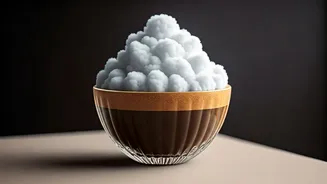
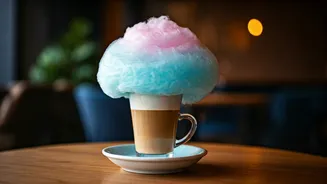
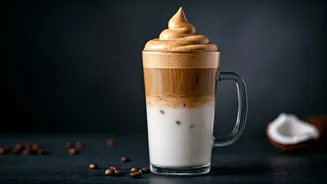
While Dalgona coffee walked so future foams could run, the trend has since matured. Enter 'cloud coffee,' a more refined successor that’s gaining traction. Unlike Dalgona, which relies on the specific properties of instant coffee to create its stiff peaks, cloud coffee often uses brewed espresso or cold brew as a base. The 'cloud' is a lightly sweetened, whipped cream or cold foam that floats delicately on top. Some viral versions layer this espresso-infused foam over iced coconut water for a tropical twist, creating a visually stunning, layered drink that’s as refreshing as it is indulgent. This evolution signifies a shift from a DIY hack to a barista-crafted beverage, focusing on texture and subtle flavour integration rather than just whipped novelty.
The 'Flex' is in the Photo
The headline gets it right: this is a 'flex.' In an age of visual social media, a coffee is no longer just a coffee; it’s content. The layered, textural appeal of a fluffy foam coffee is tailor-made for Instagram and TikTok. It's an experience designed to be shared visually before it’s even tasted. Cafes understand this, crafting drinks that are not just delicious but also memorable and, most importantly, shareable. This visual currency drives foot traffic and builds brand identity in a crowded market. For the consumer, ordering an elaborate foam creation is a small act of self-expression and indulgence, a way to participate in a global trend and showcase personal taste. Younger consumers, particularly Gen Z, increasingly seek out these experiential and visually appealing beverages.
A Nod to Tradition
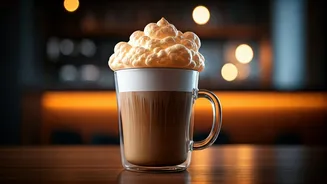
While social media has amplified the trend, topping coffee with a thick layer of cream is hardly new. The modern fluffy coffee shares a spiritual ancestry with the classic Viennese Einspänner. This 19th-century drink consists of strong black coffee topped with a thick layer of whipped cream, traditionally served in a glass to coachmen who needed one hand to hold the reins. The cream insulated the coffee and kept it from spilling. The current foam craze, particularly popular in South Korea, has revived interest in drinks like the Einspänner, reinterpreting them for a modern, global audience, often served iced. This blend of historical inspiration and modern-day viral appeal gives the trend a richer narrative.
The Future is Frothy
The fluffy foam trend shows no signs of deflating. If anything, it's becoming more integrated into the mainstream. Data shows searches for 'cold foam' have surged, with major brands now offering at-home canned versions. For cafes, it has become a baseline for innovation, with new variations like citrus, matcha, and even protein-infused foams appearing on menus. Texture is now a key component of the coffee experience, alongside flavour and origin. This movement reflects a broader consumer desire for customization and small, accessible luxuries. The ability to personalize a drink with a unique, texturally pleasing topping transforms it from a simple caffeine delivery system into a bespoke treat.