






What Exactly Is Yoga Lifting?
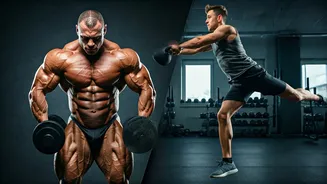
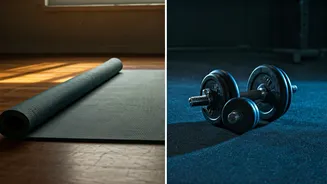
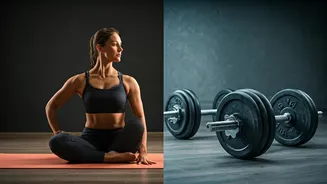
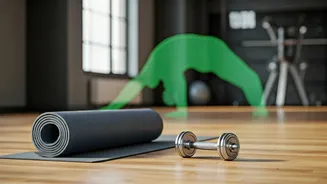
At its core, yoga lifting, or yoga sculpt, involves integrating weights into a yoga practice. This can range from using light hand weights during a Vinyasa flow to performing more traditional strength exercises within the framework of a yoga class. The
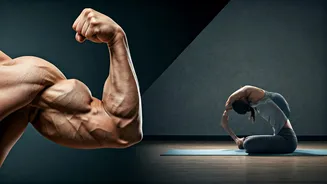
goal is to combine the flexibility, balance, and mindfulness of yoga with the muscle-building benefits of resistance training. Proponents see it as an efficient, well-rounded workout that addresses multiple fitness components at once: strength, mobility, and even cardiovascular endurance. It’s a practice that meets a modern demand for efficiency, promising the benefits of two distinct disciplines in a single session.
The Case For The Hybrid
Advocates for yoga lifting point to a host of benefits. Adding weights can help build greater strength and muscle mass than relying on bodyweight alone. This is particularly useful for targeting muscle groups that a traditional yoga practice might not emphasize as heavily, such as the biceps or glutes. It also helps in increasing bone density, which is crucial for long-term health as we age. Beyond the physical, adding a new challenge like weights can reinvigorate a stale practice, introducing novelty and boosting motivation. For those who find traditional yoga too slow or weightlifting too one-dimensional, the hybrid offers a compelling middle ground that feels both athletic and mindful.
The Purist's Perspective
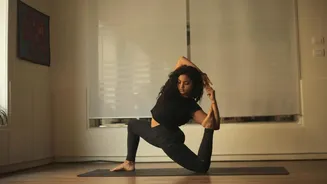
However, not everyone is a fan. Critics and yoga purists raise several important concerns. A primary issue is the risk of injury. Yoga asanas require precise alignment and stability; adding external weight can compromise form, leading to strain. Furthermore, many argue that it dilutes the core purpose of yoga. The practice, originating over 5,000 years ago in India, is traditionally a holistic discipline encompassing physical, mental, and spiritual well-being—not just a workout. From this viewpoint, focusing on reps and resistance distracts from the crucial elements of breathwork (pranayama) and self-inquiry, turning a profound practice into just another fitness class.
Why The Debate Itself Matters
This is where the conversation gets truly interesting. The yoga lifting debate isn't just about the right way to exercise; it's a reflection of a larger cultural dialogue about the evolution of ancient practices in the modern world. Is this an example of cultural appropriation, stripping a spiritual tradition of its meaning for commercial purposes? Or is it a natural and welcome evolution, adapting a practice to meet contemporary needs and making it accessible to a wider audience? Following this debate forces us to ask bigger questions about what we seek from our wellness routines: Is it purely physical results, spiritual connection, or something in between? It highlights the tension between authenticity and adaptation that defines much of the modern wellness industry.