








Start with Dry Floors
The battle against indoor humidity often starts from the ground up. During the monsoon or in coastal areas, floors can become perpetually slick with condensation, creating slip hazards and contributing to the overall dampness. Make it a habit to dry mop
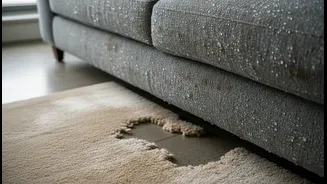
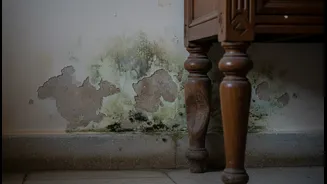
floors daily using an absorbent microfibre cloth instead of a wet mop, which only adds more moisture to the environment. If you have rugs or carpets, consider rolling them up and storing them during the peak humid months. They act like sponges, trapping moisture and becoming breeding grounds for mould and musty smells. For tile or stone floors, which are common in Indian homes, ensure any spills are wiped up immediately. It also helps to move furniture a few inches away from the walls, allowing air to circulate and preventing moisture from getting trapped.
Prioritise Fresh Air
It may seem counterintuitive to open windows when the air outside is humid, but ventilation is your strongest ally. Stagnant air traps moisture, so creating airflow is crucial. Use ceiling fans and table fans to keep the air moving inside your flat. In the kitchen and bathroom, always run the exhaust fan during and after cooking or showering to expel moist air directly outside. There's a strategy to opening windows: do so during cooler, less humid parts of the day, like early mornings or late evenings. If it's actively raining or extremely muggy, it's better to keep windows closed to prevent more moisture from entering. On such days, leaving internal doors open can help circulate air between rooms and prevent humidity from concentrating in one area.
Keep Fabrics Clean and Crisp
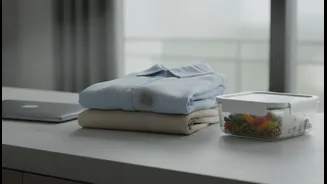
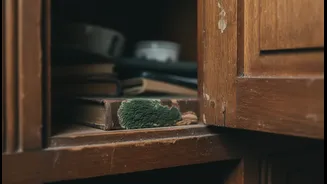
Fabrics are often the first victims of high humidity, quickly developing a tell-tale musty odour. To combat this, wash clothes in smaller batches to ensure they rinse properly and have space to move in the machine. Leaving damp laundry in the basket is a recipe for mildew, so wash items promptly. When drying indoors, a high-spin cycle can remove a significant amount of excess water. Hang clothes on a rack with at least an inch of space between each item to allow for proper airflow. Once dry, ironing clothes can help remove any last bit of residual moisture before storing them. For your wardrobe, avoid packing it too tightly. Place natural moisture absorbers like bags of rock salt, charcoal pieces, or even chalk inside to keep the enclosed space dry. Neem leaves are another traditional and effective option for keeping clothes fresh and deterring microbes.
Deploy Dehumidifying Tools
Beyond daily habits, you can deploy specific tools to actively reduce humidity. For a noticeable difference, especially in persistently damp rooms, an electric dehumidifier is a highly effective solution. These appliances work by drawing moisture from the air and collecting it as water, which you simply empty out. For smaller, enclosed spaces like cupboards and bathrooms, passive dehumidifiers are a great, low-cost option. Bowls of rock salt or baking soda can absorb a surprising amount of moisture from the air. Activated charcoal is another excellent choice, with the added benefit of absorbing odours. Certain houseplants, such as peace lilies and Boston ferns, can also help absorb some moisture from the air, while adding a touch of green to your transformed space.