





From Government Monopoly to Private Boom
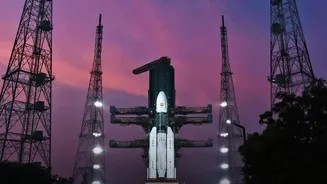
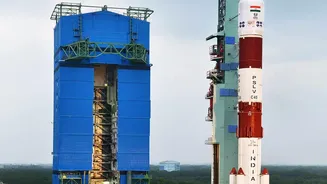
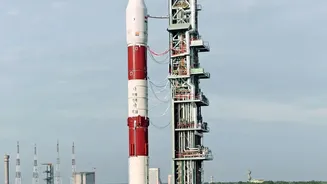
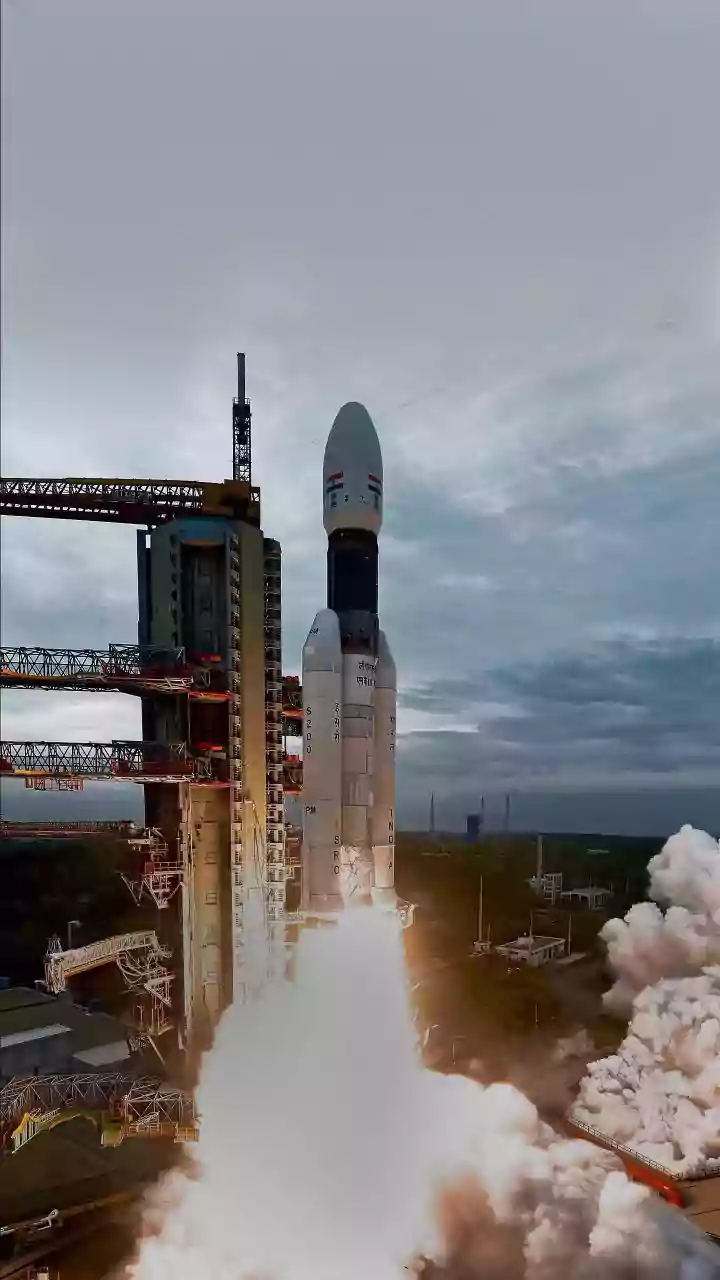
For most of its history, India's space journey was synonymous with the Indian Space Research Organisation (ISRO). ISRO's incredible achievements, from launching cost-effective missions to Mars to landing on the Moon's south pole, built the nation's space-faring
reputation. This ecosystem was largely self-contained, with ISRO at the center and a network of over 500 private suppliers in supporting roles. The career path was clear: get an engineering degree and aim for a coveted scientist or engineer role at a government institution. However, historic policy shifts in 2020 began to open the sector to private enterprise. The creation of the Indian National Space Promotion and Authorisation Centre (IN-SPACe) as a single-window agency was designed to boost private participation, transforming the industry's landscape. Today, there are over 400 space startups in India, attracting significant private investment and building everything from launch vehicles to satellite constellations.
The New Space Race Is About Data
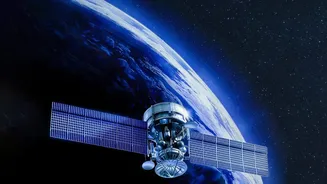
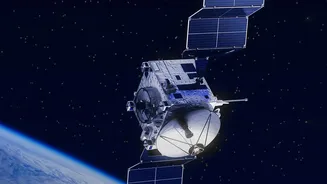
A major driver of this talent shift is the realization that the modern space economy is as much about data as it is about rockets. Satellites orbiting Earth generate enormous streams of information with applications in agriculture, climate monitoring, insurance, and urban planning. This has created a surge in demand for professionals who can turn this raw data into actionable insights. Companies like Pixxel, which specialises in hyperspectral imaging, and SatSure, which provides analytics for farming and climate, are actively hiring data scientists, geospatial analysts, and machine learning engineers. Skills in remote sensing, Geographic Information Systems (GIS), Python, and data modeling are becoming critical for leveraging space technology to solve problems on the ground. This downstream application of space data is a key reason why India's space economy is projected to reach $44 billion by 2033.
Building the Commercial Ecosystem
As private companies like Skyroot Aerospace and Agnikul Cosmos develop their own rockets and launch services, they operate as commercial businesses, not just research projects. This requires a completely different set of skills to support their growth. These startups need business development managers to find customers, marketing strategists to build their brand, and finance experts to manage venture capital funding. Furthermore, the increasing complexity of private space operations has created a niche for space lawyers. These legal experts are needed to navigate international treaties, secure launch licenses, manage regulatory compliance with bodies like IN-SPACe, and address issues like space debris management. This expansion means that people with backgrounds in business, management, and law now have a clear entry point into the space sector.
Software, Manufacturing, and Ground Support
While rocket scientists remain essential, building a rocket is a multidisciplinary effort. Modern space missions are heavily reliant on sophisticated software for simulation, mission control, and ground systems. This has opened up numerous roles for software engineers, including those specializing in embedded systems and firmware. The manufacturing side also requires a broad talent pool. Aerospace technicians with skills in mechanics and electronics are vital for building, testing, and maintaining spacecraft. As companies pioneer new technologies like 3D-printed rocket engines, they also need materials scientists and advanced manufacturing experts. The entire industry is supported by a growing ground support ecosystem, which requires production managers, supply chain specialists, and logistics experts to function.
The Human-Centric Future of Space
Looking ahead, the roles are set to become even more diverse. The nascent field of space tourism, for example, will require professionals from the hospitality industry, including trainers, customer service managers, and medical staff. As private companies design habitats and spacecraft interiors, the need for user experience (UI/UX) designers will grow, ensuring that control panels and living quarters are functional and human-friendly. Even fields like public policy and communications are becoming integral, as companies and government agencies need analysts and storytellers to navigate the evolving space landscape and explain its importance to the public. This shift reflects a maturing industry where human interaction, commerce, and public engagement are just as important as the engineering that gets us to orbit.