
A Shift Beyond the Weighing Scale
The fragrant aroma of ghee-laden sweets, the crispy texture of deep-fried snacks, and the richness of elaborate curries are deeply woven into the fabric of Indian celebrations. For generations, festive food has been about abundance and indulgence. But
evolving lifestyles and a growing awareness of long-term health are prompting a significant change. This isn't just about counting calories; it's a broader move towards mindful eating. An increasing understanding of lifestyle-related health conditions, such as diabetes and heart disease, is encouraging families to rethink their festive platters. People are no longer just asking “What diet should I follow?” but rather, “How can I understand my food better?”. This curiosity is driving a return to traditional ingredients and cooking methods that are inherently more nourishing.
Tradition Reimagined, Not Replaced
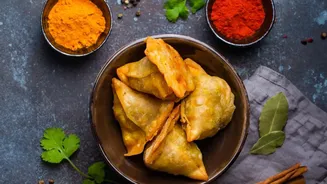
The move towards healthier festive food is not about abandoning beloved classics but reinterpreting them. Chef Sanjeev Kapoor suggests that the goal is to keep the soul of the dish intact while making small, sensible changes. This means you can still have your gujiya, but perhaps baked or air-fried instead of deep-fried. Similarly, ladoos can be made with fibre-rich millets or oats, and traditional sweets can be sweetened with dates or jaggery instead of refined sugar. The focus is on smart swaps: opting for steamed modaks over fried ones, using whole grains in kheer, and preparing savoury snacks by baking or air-frying them. This approach allows for guilt-free indulgence, ensuring that the festive spirit remains joyful and celebratory.
The Rise of Conscious Ingredients
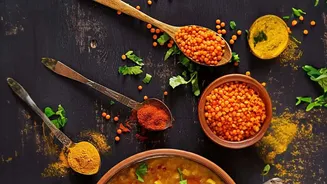
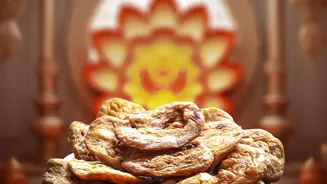
At the heart of this culinary evolution is the revival of traditional Indian superfoods. Millets, once a staple, are making a major comeback. Varieties like ragi, foxtail, and bajra are now being used to create everything from laddoos and kheer to pithas and even halwa. These ancient grains are celebrated for their high fibre and nutrient content, providing sustained energy. Another key player is jaggery, a traditional sweetener that contains minerals like iron and is easier on the liver than refined sugar. Nuts, seeds, and dry fruits are also taking centre stage, not just as garnishes but as core ingredients that provide healthy fats, protein, and natural sweetness. Even cooking fats are being scrutinised, with many households preferring ghee in moderation over refined oils or hydrogenated fats.
From Home Kitchens to Commercial Menus
This trend isn't confined to home cooking. Restaurants, cloud kitchens, and sweet shops are increasingly catering to the health-conscious consumer. It's now common to find cafes offering special Navratri menus featuring millet-based, gluten-free, and satvik bowls. Home chefs are also gaining popularity for offering traditional Christmas lunches with a focus on heritage recipes and quality ingredients. The market is responding to a clear demand: a 2022 food trends report noted that a majority of food experts believe mithai with healthier claims will see higher demand. This commercial embrace signals that mindful festive eating is no longer a niche interest but a mainstream movement, reflecting a collective desire to align celebratory traditions with modern wellness goals.