





What Exactly Is an AI Career Coach?
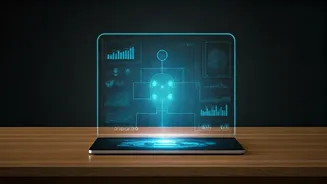
An AI career coach is a software platform that uses artificial intelligence to provide career guidance. Think of it as a digital mentor in your pocket, available anytime you need it. These platforms leverage large language models (the same technology
behind chatbots like ChatGPT) to help with a wide range of career-related tasks. This includes drafting and refining resumes, generating cover letters, preparing for interviews with mock sessions, and exploring potential career paths. Some advanced platforms can scan your resume, compare it against a specific job description, and give you instant feedback on how to beat the automated systems (ATS) that many companies use for initial screening.
Breaking Down the Barriers of Accessibility
The single biggest impact of AI career coaches is making professional advice widely accessible. The most obvious factor is cost. While a human career coach can cost between $100 and $500 per hour, many AI tools are available for a small monthly fee or are even free. This cost difference democratises access, especially for students, recent graduates, and those in regions with few certified human coaches. Beyond price, accessibility also means availability. AI coaches are on call 24/7, ready whenever you are—whether it's for late-night resume polishing or last-minute interview prep for an unexpected opportunity. This removes the need to schedule appointments days or weeks in advance. For many, there's also a psychological benefit; discussing career anxieties with an anonymous bot can feel less intimidating than opening up to a person.
The Algorithm's Blind Spots
Despite their strengths, AI coaches have significant limitations. Their biggest weakness is a lack of genuine emotional intelligence. While they can simulate empathy, they cannot truly understand complex human experiences, provide motivational support, or read between the lines of what you're saying. A human coach excels at providing nuanced, contextual feedback based on your body language, tone, and the specific politics of your workplace—areas where an AI has no visibility. Furthermore, an AI cannot leverage a personal network to make introductions or provide the kind of accountability that comes from a human relationship. Relying solely on AI could mean missing out on the deeper, strategic insights that come from lived experience.
A Hybrid Future: Human and AI Working Together
The rise of AI doesn't necessarily mean the end of human career coaches. Instead, the most effective approach seems to be a hybrid model. Professionals can use AI tools for the foundational, data-driven tasks: optimising a resume, running through dozens of practice interview questions, and researching skill gaps for a desired role. This groundwork, once done, can make sessions with a human coach far more productive. You can spend that expensive, valuable time focusing on high-level strategy, navigating complex negotiations, or getting motivational support. Some experts suggest AI can handle up to 90% of day-to-day coaching functions, freeing up human coaches to focus on the deeply personal aspects of career development that machines can't replicate. For India's vast and tech-savvy workforce, this blended model offers a scalable way to enhance career readiness and navigate the competitive job market.