






The Mastermind Behind the IPL
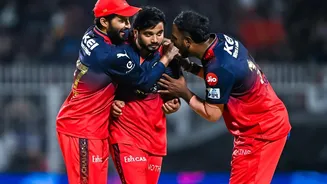
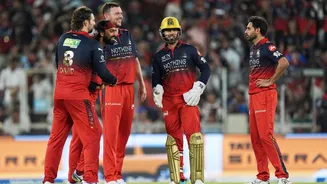
Before he became a fugitive, Lalit Modi was celebrated as the visionary who transformed cricket. In 2008, he launched the Indian Premier League (IPL), a glamorous, city-based Twenty20 tournament that merged cricket with high-octane entertainment and massive
financial investment. As the first chairman and commissioner, Modi was the undisputed king of this new cricketing empire, wielding immense power and influence. The league was an instant success, becoming one of the most lucrative sporting properties globally and changing the financial landscape of the sport forever. His aggressive marketing and bold decision-making were initially hailed as genius, making him a powerful figure in both Indian sports and business circles.
Allegations and a Swift Fall
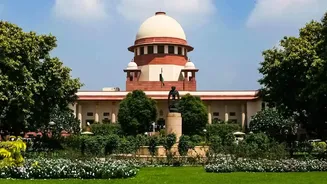
Modi's reign came to an abrupt end in 2010. Shortly after the IPL final that year, the Board of Control for Cricket in India (BCCI) suspended him amid serious allegations of financial irregularities, bid-rigging, and misconduct. The accusations were extensive, including claims that he manipulated the process for awarding media rights in 2009 for a kickback of over Rs 125 crore, violated foreign exchange laws (FEMA), and favoured certain bidders when two new teams were added to the league. The Enforcement Directorate (ED) launched a probe into money laundering, and a non-bailable warrant was eventually issued against him. In 2013, a BCCI disciplinary committee found him guilty on eight charges, leading to a lifetime ban from the board.
The London Exile
Facing mounting legal pressure, Lalit Modi left India for London in 2010 and has not returned since, citing threats to his life and alleging a political witch-hunt. Indian authorities have been trying to bring him back to face trial for years. His Indian passport was revoked in 2011, though it was later restored by the Delhi High Court. India's attempts to have him deported from the UK were unsuccessful, and a request for an Interpol Red Corner Notice also did not materialize. For over a decade and a half, Modi has lived in the UK, from where he has consistently denied all allegations of wrongdoing, claiming he is a victim of vendettas within the BCCI.
What Does British Citizenship Change?
Modi's announcement that he became a British citizen on September 15, 2026, significantly alters the legal dynamics. While it does not provide absolute immunity, it complicates India's efforts to bring him to justice. The option of deporting him is now off the table, leaving formal extradition as the only legal path forward. According to the India-UK Extradition Treaty of 1992, Britain can extradite its own nationals. However, the process becomes more complex. As a British citizen, Modi is entitled to full legal protection under UK law and can challenge any extradition request on various grounds, including the passage of time or potential for an unfair trial. Legal experts believe this move, while not a complete shield, has certainly diminished the chances of his return to India.
The Road Ahead
Indian agencies now face a more challenging legal battle. They must navigate the stringent requirements of the UK's extradition process, which requires presenting a prima facie case against the accused. The UK Home Secretary makes the final decision on any extradition order, a process that can be subject to lengthy court appeals. History shows that extradition from the UK to India is possible, as seen in the cases of Christian Michel and Sanjeev Chawla, but it is never straightforward. For now, Modi has solidified his position in the UK, a country he now calls his home. His Indian citizenship automatically ceases upon acquiring a foreign one. The man who created a billion-dollar cricketing league has started a new chapter, but the cases against him in India remain unresolved.