





An Antidote to Digital Burnout
For a generation that grew up online, the relentless pace of digital life has led to widespread burnout. More than half of Gen Z workers report feeling burnt out, driving a powerful desire to disconnect. This has given rise to trends like “quietcations”
and “deadzoning,” where travellers intentionally seek destinations with limited connectivity or simply switch off their devices. Research shows that an overwhelming majority of young travellers—up to 92%—have either chosen or would consider a trip that includes a digital detox experience. These short escapes offer a deliberate break from the constant stimulation of social media, work emails, and news alerts, creating space to reset and recharge.
What a 48-Hour Wellness Escape Looks Like
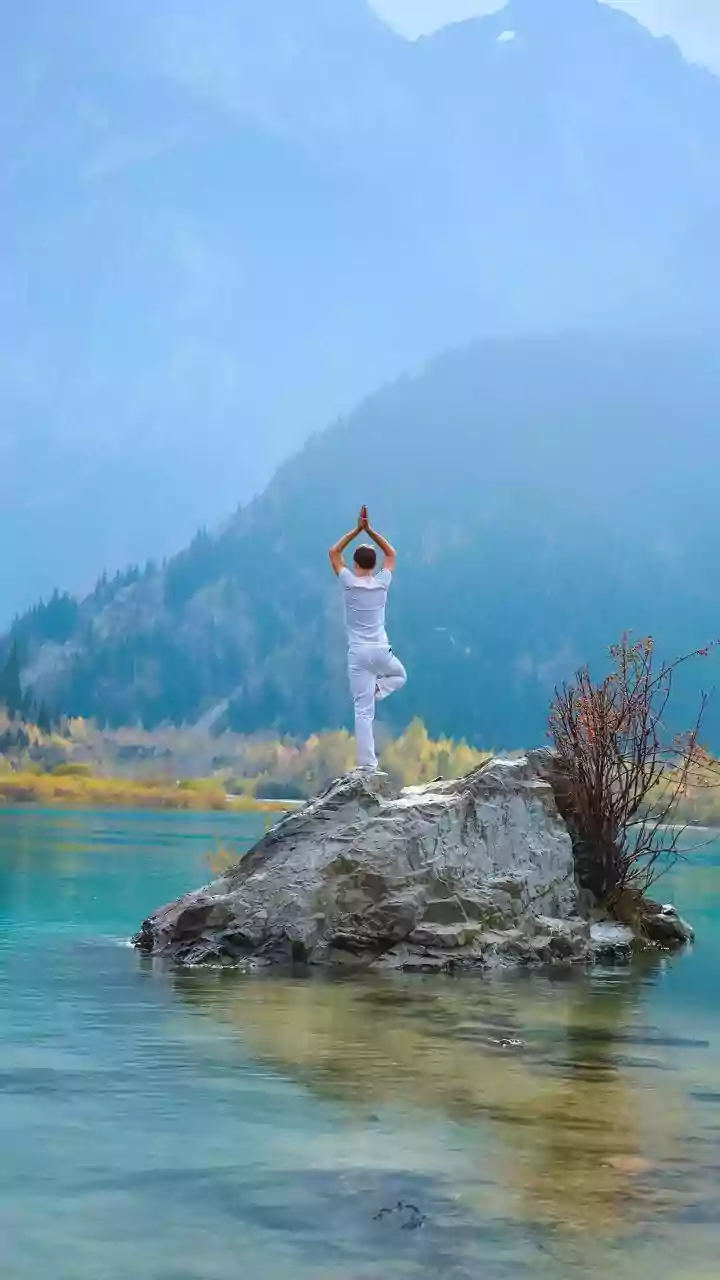
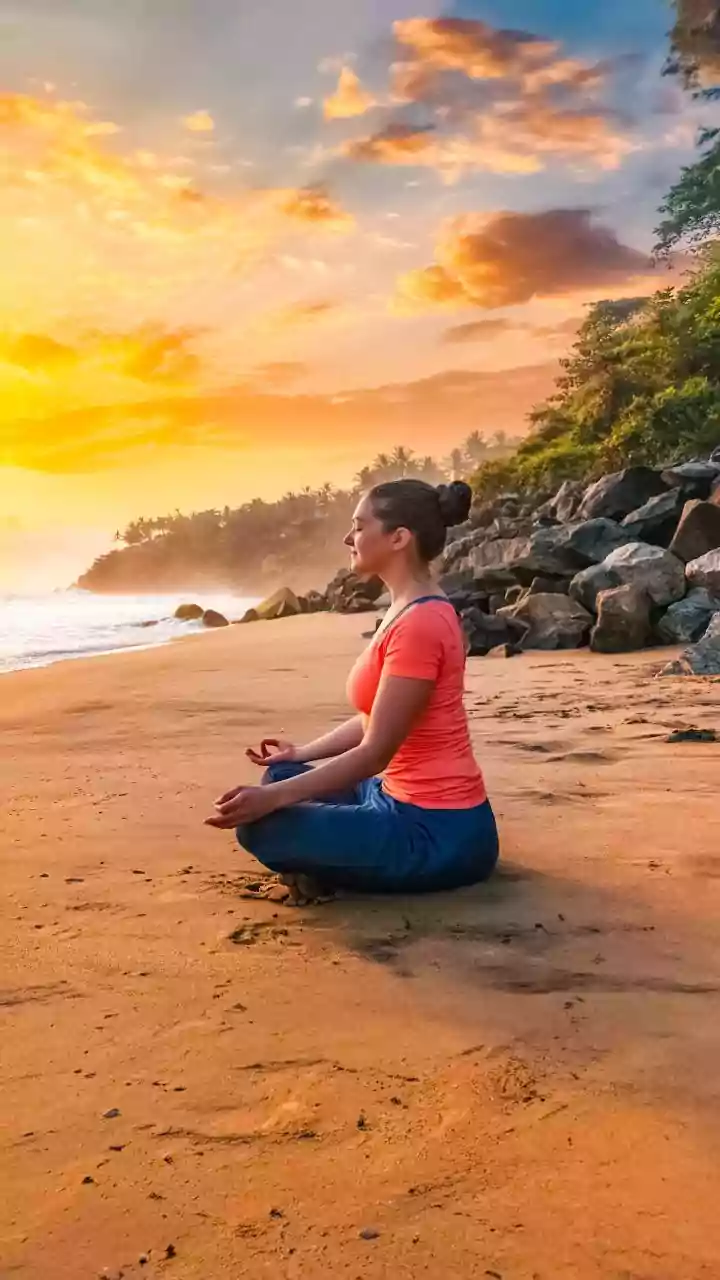
Instead of a checklist of tourist attractions, the itinerary for a 48-hour wellness trip is guided by restoration. These “micro-retreats” are short, immersive experiences focused on activities that calm the nervous system. Popular options include staying in a quiet cabin in the woods, attending a yoga or meditation retreat, or engaging in hands-on creative pursuits like cooking or painting. A recent report highlighted that nearly three-quarters of Gen Z travellers are interested in creative retreats. The goal is to move from passive sightseeing to active participation, whether it’s through nature immersion, learning a new skill, or simply enjoying quiet time to read and journal.
From Seeing Everything to Feeling Something
This shift represents a deeper change in how travel is valued. For many young people, luxury is no longer defined by five-star hotels but by mental and physical well-being. The focus is shifting from external validation—collecting photos for social media—to internal experience and genuine connection. Slow travel encourages a deeper link to a single place, prioritising lingering at a local café over rushing between monuments. It’s a rebellion against the idea that you need another vacation to recover from your vacation. Research confirms this sentiment, with 66% of travellers stating that relaxation and de-stressing are the main reasons they book a holiday.
Accessible and Intentional Travel
Beyond burnout, practical considerations also make short, slow trips appealing. With limited paid time off and tighter budgets, “micro-cations” offer a more accessible way to travel. These shorter getaways allow for more frequent breaks throughout the year. The wellness tourism market is booming, projected to nearly double from its 2022 valuation to over $360 billion by 2032, largely fuelled by this demand for restorative travel. This trend also aligns with a growing interest in sustainability, as slower, more local trips often have a smaller carbon footprint, with many travellers opting for rail journeys over flights.