




In a country where WhatsApp is a primary source of information, the platform has often been linked to disinformation. But in a recent Brazilian runoff, supporters of Luiz Inácio Lula da Silva flipped the script, creating a digital force for mobilization.
The Digital Battlefield of Brazil
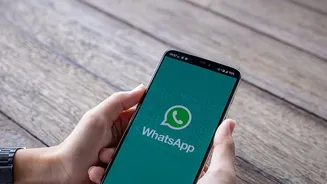
In Brazil, WhatsApp is more than just a messaging app; it's a digital public square where news is shared, communities are built, and political battles are waged. In past elections, the platform became notorious as a channel for spreading disinformation and polarizing content, a strategy effectively used by the far-right. Following a disappointing first-round result in the presidential election, Luiz Inácio Lula da Silva's campaign faced a stark reality: they were losing the war on social media. This realization sparked a dramatic shift in strategy, turning to the very tool that had been used against them.
The Rise of 'Lula's Army'
The centerpiece of this new strategy was a WhatsApp channel called 'Exército do Lula', or 'Lula's Army'. Spearheaded by Congressman André Janones, a savvy social media influencer, the channel was transformed from a modest group into a massive mobilization engine. In the three weeks between the first round and the runoff, the channel's followers exploded to nearly 11 million people. Janones, whom Lula himself would later call 'our general', used the platform to issue daily 'missions' to his digital 'soldiers'. This wasn't a top-down campaign run by strategists in a war room; it was a decentralized, grassroots movement that empowered individual supporters to become active campaigners.
A Strategy of Positive Mobilization
Unlike the negative attack campaigns often associated with political WhatsApp use, 'Lula's Army' focused on a different approach. The 'missions' assigned by Janones were simple and direct: share positive campaign videos, push specific hashtags to make them trend, and even run coordinated Google searches to boost pro-Lula topics. The content was often intentionally informal and personal, featuring selfie-style videos of the candidate to make him seem more relatable. One successful mission involved reclaiming the iconic yellow Brazilian football jersey—a symbol that had been co-opted by the right—by having supporters post photos of themselves wearing it while making an 'L' for Lula. The goal was to combat disinformation with a flood of positive messaging and mobilize voters who had stayed home during the first round.
From Digital Clicks to Real-World Votes
The critical question is whether this digital mobilization translated into actual votes. While it's impossible to isolate the exact impact of a single channel, analysts widely credit the strategy as a key factor in Lula's comeback victory. The energy and coordination of 'Lula's Army' helped galvanize the base, contributed to massive street rallies, and gave supporters a tangible sense of purpose. The campaign successfully brought millions of additional voters to the polls for the runoff, enough to overturn the first-round deficit. This 'gamification' of activism, as some experts called it, gave progressive digital politics a level of coordination it had previously lacked, creating a direct line from online engagement to offline action.