


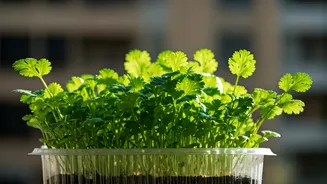



The Future of Urban Gardening
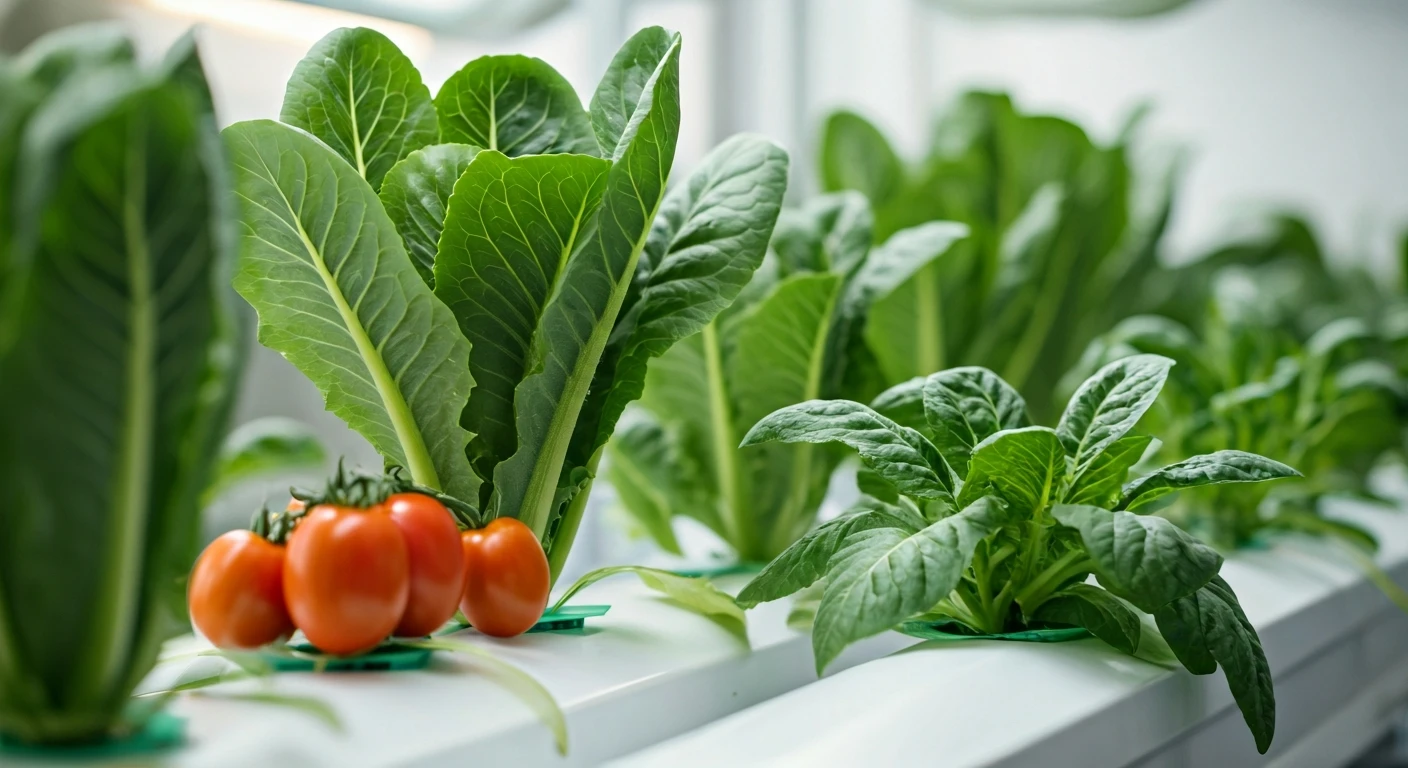
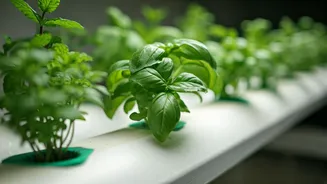
Welcome to the world of soil-free farming, a revolutionary way to cultivate plants that is perfect for modern homes. The most popular method is hydroponics, where plants grow with their roots placed directly in nutrient-rich water. There’s no soil, which
means no mess and fewer pests. The basic idea is simple: instead of roots searching through dirt for food, a special solution delivers all the essential nutrients directly to them. Other related methods include aquaponics, which creates a mini-ecosystem by using fish waste to fertilize the plants, and aeroponics, where roots are suspended in the air and misted with nutrients. For beginners, hydroponics is often the most straightforward and accessible starting point.
More Greens, Less Space
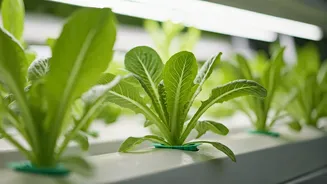
The biggest advantage for apartment dwellers is space efficiency. Because you aren't limited by large pots of soil, you can use vertical systems that stack plants on top of each other, turning a small balcony or a corner of a room into a productive garden. These systems use up to 90% less water than traditional soil gardening because the water is often recirculated, making it a highly sustainable choice. Plants also tend to grow faster—sometimes up to 50% quicker—because they have constant access to the exact nutrients they need. This means you can get a steady supply of fresh produce year-round, right from your own home, free from the worry of pesticides.
Your First Hydroponic Setup
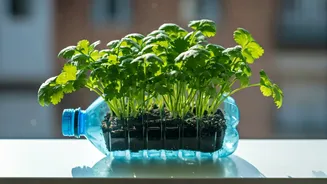
Getting started is easier than it sounds. You can begin with a simple do-it-yourself (DIY) system or buy a ready-made kit, which are widely available online in India. The essential components include a container to hold the water, net pots to hold the plants, and an inert growing medium like clay pellets or coco peat to provide root support. You will also need a pre-mixed hydroponic nutrient solution to add to the water and a pH testing kit to ensure the water isn't too acidic or alkaline. Some systems, like Deep Water Culture (DWC), also use a small air pump to oxygenate the water. Vertical setups like Nutrient Film Technique (NFT) towers are particularly great for balconies in India as they handle heat and humidity well.
From Palak to Pesto
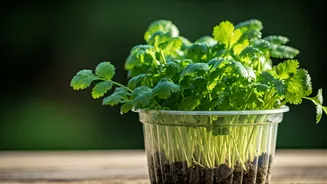
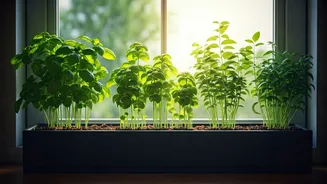
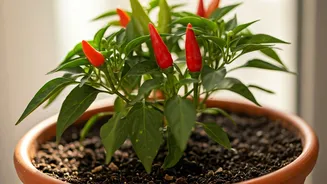
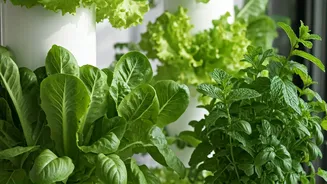
The best part is deciding what to grow. For beginners, it's wise to start with crops that are fast-growing and forgiving. Leafy greens and herbs are perfect choices and staples in Indian kitchens. Think about having a constant supply of fresh palak (spinach), coriander, and mint for your chutneys and curries. Lettuce and kale are also incredibly easy to grow and thrive in hydroponic systems. Once you get comfortable, you can move on to fruiting plants like cherry tomatoes, chillies, and even cucumbers. Growing your own basil for fresh pesto or mint for summer drinks becomes a simple and rewarding activity.
The Real Cost and Effort
So, is it truly practical for the average person? Let’s look at the costs. A basic DIY setup can be put together for as little as ₹1,500 to ₹3,000. Beginner-friendly starter kits are available online for around ₹3,000 to ₹7,500, depending on the size and features. There are recurring costs for nutrients and, if you're growing indoors without much sun, the electricity for grow lights. In terms of effort, a well-managed system requires about 15-20 minutes of maintenance per week to check water levels and nutrient balance. While there is a small learning curve, the investment of time and money is often outweighed by the reward of harvesting your own fresh, healthy food.