




The Allure of the Apothecary Aesthetic
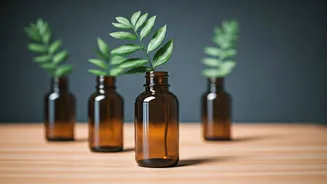
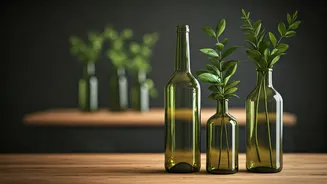
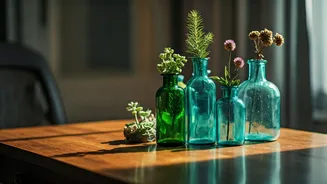
Before they became a decor trend, apothecary bottles were the workhorses of pharmacies and laboratories. Made of thick, tinted glass—often in shades of amber, cobalt blue, or emerald green—they were designed to protect their precious contents from light.
This history gives them an air of mystery and nostalgia. Their simple, sturdy shapes and rich colours catch the light beautifully, making them perfect miniature sculptures for your desk. By using them for decor, you're not just adding a pretty object; you're incorporating a piece of history and craftsmanship into your daily environment. This aesthetic marries science with nature, creating a look that is both intellectual and organic.
Sourcing Your Vintage Glassware
Finding these bottles is part of the fun. Your first stop should be local flea markets or 'kabadiwalas', who often have hidden gems amidst their collections. Don't be afraid to haggle a little! Online marketplaces are another great resource; search for “vintage glass bottles” or “old medicine bottles.” But the most sustainable source might be your own home. Many cough syrups, health tonics, and even some gourmet oils come in beautifully tinted bottles. Instead of tossing them in the recycling bin, give them a second life on your desk. This approach is not only cost-effective but also adds a personal story to your decor.
Prepping Your Bottles for Display
Once you have your bottles, they'll need a good cleaning. Start by soaking them in warm, soapy water to help loosen any stubborn labels or residue. For the labels, a little bit of cooking oil rubbed onto the sticky patch can help remove the glue. For the inside, a mixture of coarse salt or uncooked rice and a little vinegar can act as a natural abrasive. Pour them in, add a splash of water, and shake vigorously to scrub the interior. A bottle brush is also a great tool for this. Rinse thoroughly and let them air dry completely before use. A sparkling clean bottle will make your botanical display look even more vibrant.
Choosing Fresh Cuttings and Water Plants
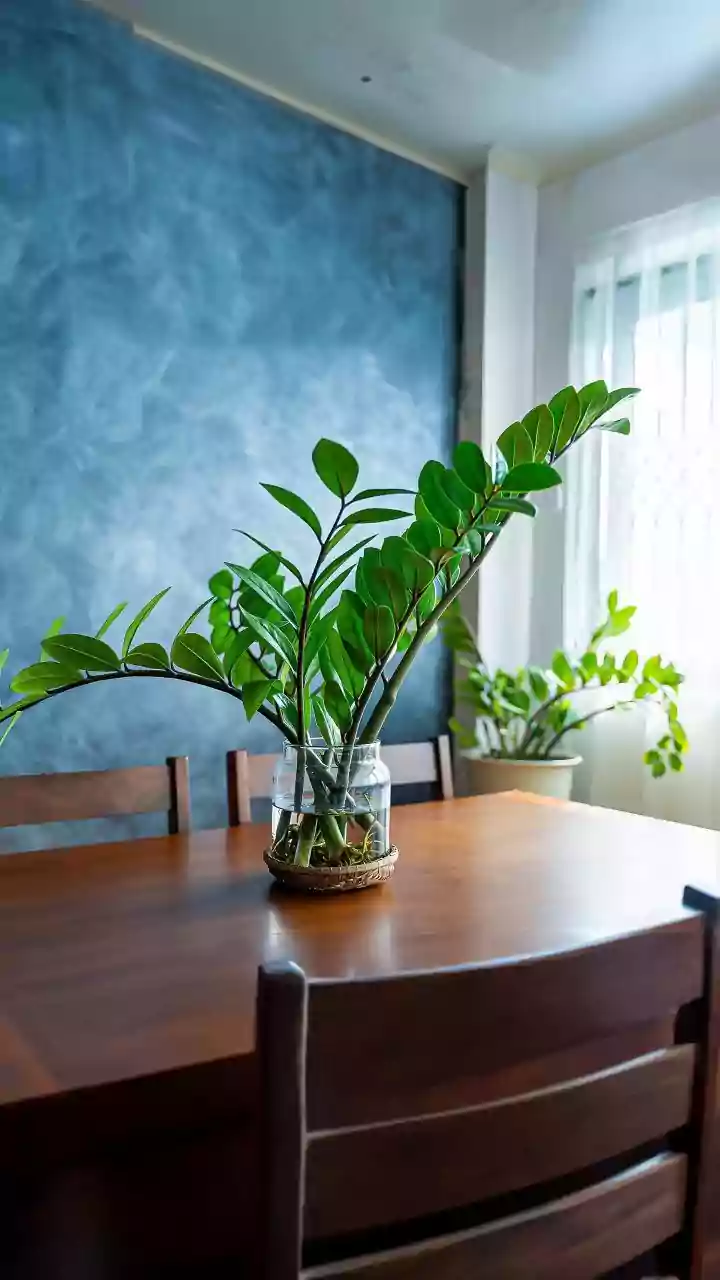
For a living, breathing desk accessory, fresh cuttings are perfect. Many common houseplants are incredibly easy to propagate in water. Pothos (Money Plant) is a classic choice; its heart-shaped leaves and trailing vines look gorgeous spilling from a bottle. Other great options include Monstera adansonii (Swiss Cheese Vine), Syngonium (Arrowhead Plant), and cuttings from a Spider Plant. Simply snip a healthy stem just below a node (the little bump where a leaf grows) and place it in a bottle filled with water. Change the water weekly to keep it fresh. Not only does this look beautiful, but you'll also get to watch the roots grow—a small, daily miracle on your desk.
Opting for Everlasting Dried Botanicals
If you prefer a zero-maintenance option, dried botanicals are the way to go. They offer a different kind of beauty—muted, textural, and permanent. A few stalks of dried lavender will not only look elegant but also lend a calming scent to your workspace. Slender stalks of wheat or dried grasses add a rustic, minimalist touch. For a pop of colour and structure, consider dried eucalyptus, craspedia (billy balls), or delicate baby's breath. The benefit here is longevity; these arrangements can last for years, providing sustained beauty without any need for watering or care.
Creating Your Deskscape Composition
The final step is arranging your new decor. The key to a great look is playing with variation. Don't just use one bottle; group two or three together. Mix and match different heights, shapes, and colours. An amber bottle next to a clear one, or a tall, slender bottle next to a short, stout one, creates visual interest. Place them in a corner of your desk where they won't be easily knocked over but are still in your line of sight. The goal is to create a small, curated vignette—a little oasis of calm and beauty that can provide a moment of respite during a busy workday.