




The Closing Window of Weather
The primary challenge of an early winter drive is the unpredictable weather. While the highway is typically open from June to September, October is a transitional month. The Border Roads Organisation (BRO) works to keep the route accessible, but sudden,
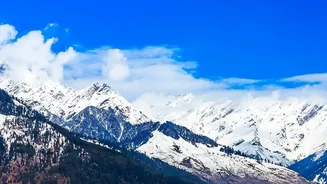
heavy snowfall can occur on the high passes like Baralacha La (16,040 ft) and Tanglang La (17,480 ft) without much warning. In past years, the road has officially closed for the winter around mid-November, but the safe travel window often ends much earlier, sometimes in the first or second week of October. A single snowstorm can leave travellers stranded for days. By late October, sub-zero temperatures become common, creating treacherous driving conditions, especially in the early mornings and evenings.
Black Ice and Treacherous Roads
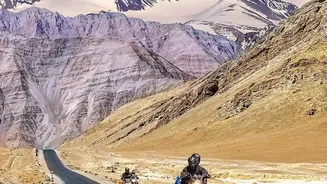
Beyond snowfall, the most insidious threat is 'black ice'. This thin, transparent layer of ice forms on the road surface, especially in shaded areas or after a slight overnight frost, making it incredibly slippery and hard to spot. It poses a significant risk for both cars and motorcycles, often leading to skidding and loss of control. While the BRO has vastly improved the overall condition of the highway, certain stretches remain challenging. The section between Sarchu and Pang, which includes the Gata Loops, is known for being rough. In early winter, small streams or glacial meltwater crossing the road can freeze, creating further hazards for motorists.
The Silent Threat of Altitude Sickness
Acute Mountain Sickness (AMS) is a serious risk on the Manali-Leh highway at any time of year, given that much of the route is above 4,000 metres. However, the physical stress of driving in extreme cold can make the body more susceptible. Symptoms include headache, nausea, dizziness, and fatigue. Rushing the journey is a common mistake that increases AMS risk. A proper acclimatisation plan is crucial, typically involving an overnight stop at a moderate altitude like Jispa (around 3,300 metres) before ascending to the higher passes. In early winter, with fewer travellers on the road, getting help for severe AMS can be more difficult.
Vanishing Support Systems
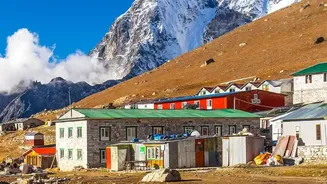
As the tourist season winds down in September, the support infrastructure along the highway begins to disappear. The seasonal dhabas (roadside eateries) and tented accommodations in places like Sarchu and Pang start to pack up. This leaves vast, isolated stretches with no food, shelter, or mechanical assistance. Public transport also becomes scarce; HPTDC tourist buses stop running by mid-September, and HRTC buses halt services as conditions become risky. Travellers in early winter must be far more self-sufficient, carrying extra food, water, warm clothing, and essential vehicle spares.
Mechanical and Mental Preparedness
The extreme cold of early winter takes a toll on vehicles. Diesel can gel in freezing temperatures, batteries can lose their charge, and tires require adequate tread to handle icy patches. A 4x4 vehicle is highly recommended for travel during this period. Beyond the machine, the journey demands significant mental fortitude. The combination of challenging roads, extreme cold, high altitude, and profound isolation can be mentally draining. Drivers must remain vigilant, make conservative decisions, and always have a backup plan. Checking with local authorities in Manali or Keylong about the latest road status before starting each day is non-negotiable.