
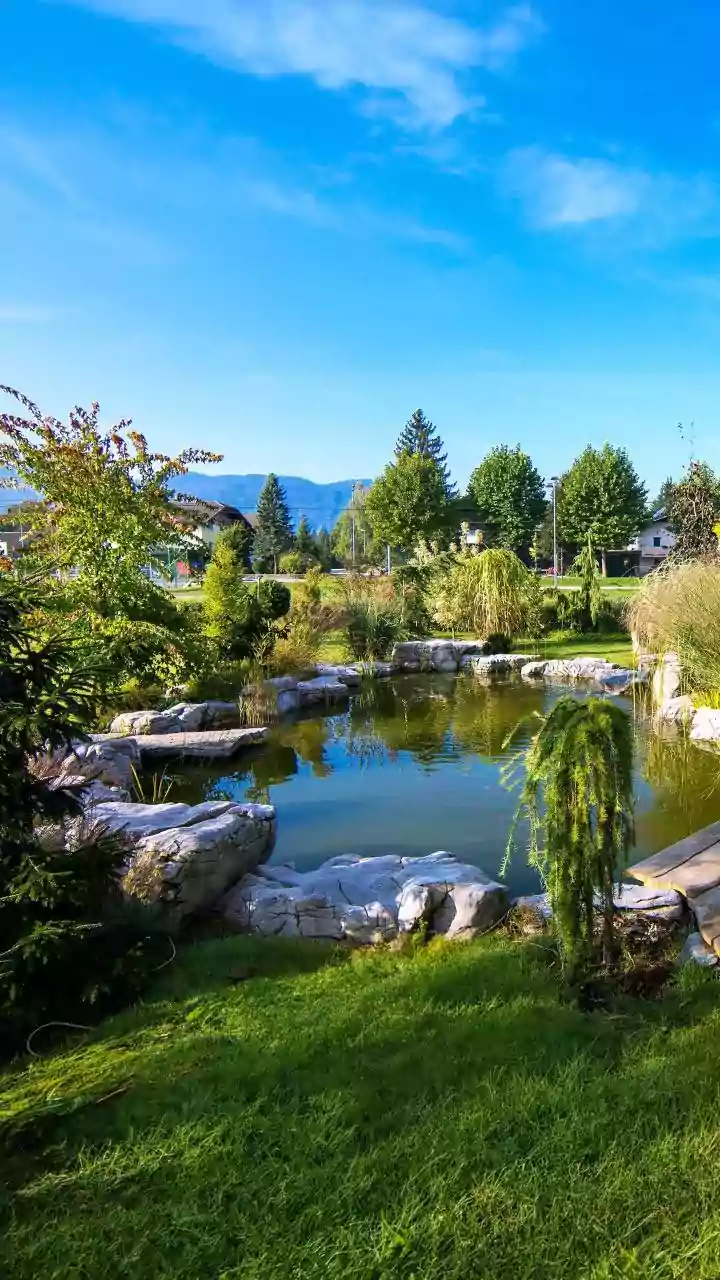
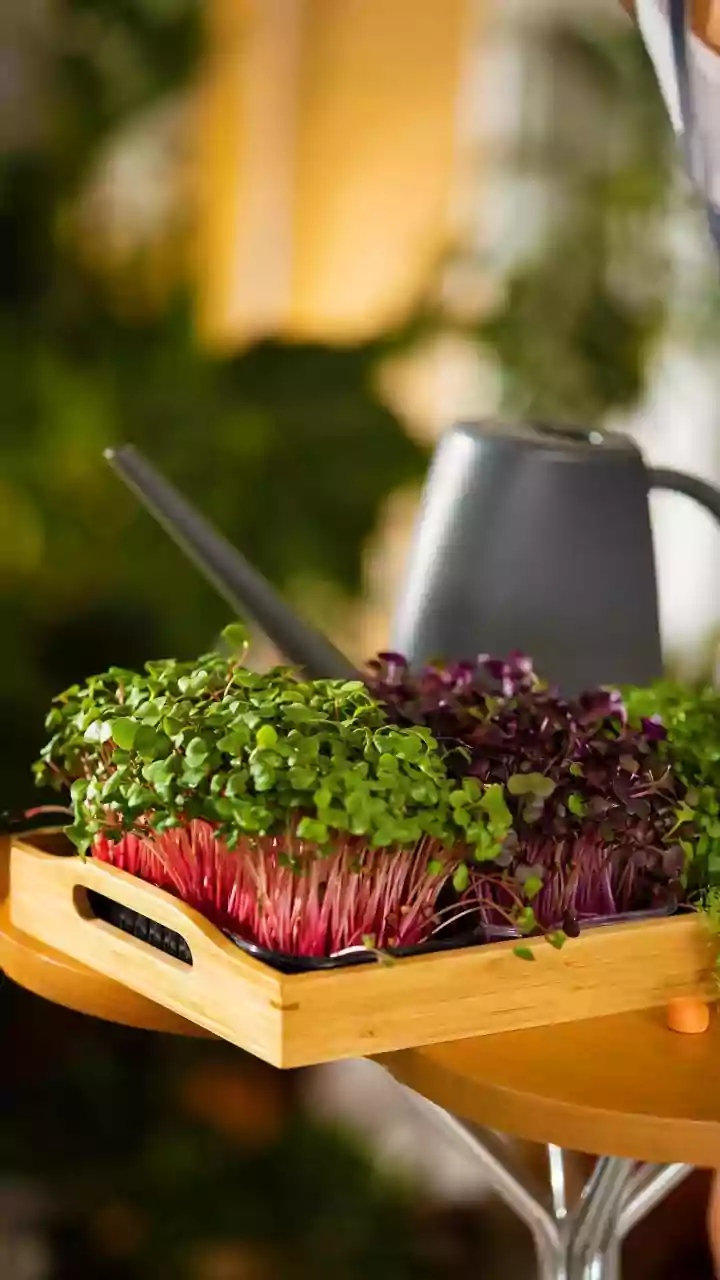

The Core Lesson: Think in Zones
The single most important principle of water-smart design is hydrozoning. It sounds technical, but it's simple: group plants with similar water and sunlight needs together. This is a shift from planting for looks alone to designing for efficiency. Your
thirsty, vibrant annuals can thrive in one dedicated, easily accessible zone, while hardy, low-water perennials can form a separate, less-demanding area. This prevents the common mistake of overwatering drought-tolerant plants or underwatering moisture-lovers, creating a healthier, less wasteful garden. Think of it as creating distinct neighbourhoods in your garden, each with its own character and needs.
Build a Resilient Foundation
A beautiful garden starts from the ground up, and in a water-smart design, healthy soil is non-negotiable. Many native soils can be improved to better retain moisture. Amending your soil with organic matter like compost does wonders. It acts like a sponge, soaking up water during irrigation or rain and releasing it slowly to plant roots. This encourages deep root growth, making plants more resilient during dry spells. Before planting, work a generous amount of compost into your beds. Annually top-dressing with mulch—like bark, wood chips, or even gravel in some designs—further reduces evaporation, suppresses weeds that compete for water, and keeps the soil cool.
Choose Your Players Wisely
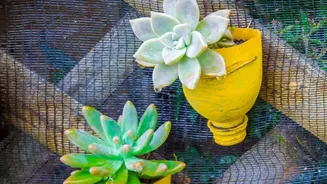
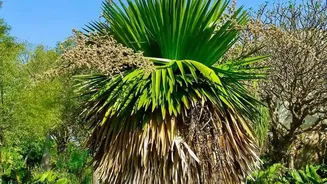
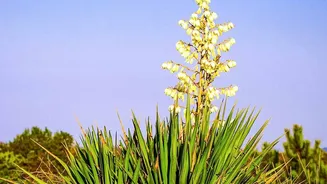
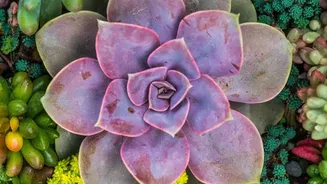
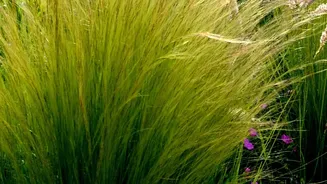
Water-smart gardening is not a lifetime sentence to only cacti and succulents. The key is choosing plants that are naturally suited to your local climate. Native plants are often an excellent choice because they are already adapted to the local rainfall patterns, soil, and temperature extremes, requiring less care once established. Beyond natives, there is a vast world of beautiful, drought-tolerant grasses, shrubs, and flowers that add texture and colour without demanding constant watering. The design lesson here is to embrace the beauty of resilience. Select plants not just for a single season of bloom, but for their year-round structure, foliage, and ability to thrive, which adds a different kind of lasting beauty to your landscape.
Embrace Purposeful Hardscaping
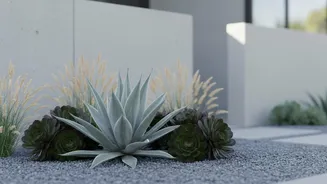
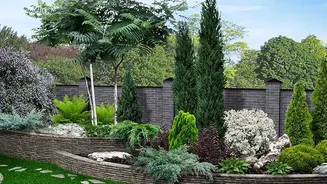
One of the most effective ways to reduce your garden's water consumption is to strategically reduce the amount of lawn you need to maintain. Lawns are notoriously thirsty. This is where hardscaping—the non-living elements of your design—comes in. Think gravel pathways, a stone patio for outdoor seating, or a deck. These elements add structure, create functional outdoor living spaces, and provide a beautiful contrast to plant textures. Using permeable materials like gravel or spaced pavers allows rainwater to soak into the ground rather than running off. This isn't about replacing your garden with concrete; it's about creating a balanced design where green and non-green elements work together.
Irrigate with Intention
Finally, rethink how you deliver water to your garden. Traditional overhead sprinklers can be incredibly wasteful, losing a significant amount of water to evaporation, especially when used during the heat of the day. A water-smart approach irrigates with precision. Drip irrigation systems and soaker hoses are far more efficient, delivering water directly to the base of the plants at the root zone, exactly where it's needed. Watering deeply but less frequently encourages plants to develop deeper, more resilient root systems. By pairing an efficient irrigation method with your well-planned hydrozones, you ensure that every drop of water is used effectively, supporting the beautiful, sustainable garden you’ve designed.