


The Trouble with Metal and High Heat
Modern kitchens are dominated by stainless steel, aluminum, and non-stick pans for good reason: they are durable and heat up quickly. However, that rapid heating is also their main drawback. Metal is a highly efficient conductor, which means it can create
intense 'hot spots'. This uneven, high heat can be harsh on food, causing the breakdown of delicate, heat-sensitive micronutrients long before the dish is fully cooked. Vitamins like Vitamin C and certain B vitamins are particularly vulnerable to high temperatures. While you get a fast meal, you might be sacrificing a portion of the very nutrients you are trying to consume. Studies have shown that the type of cooking pot can significantly impact the final nutritional content of a meal.
The Gentle Genius of Clay
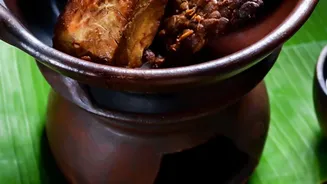
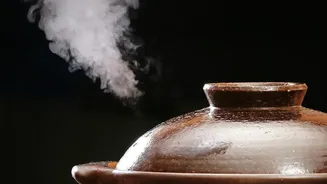
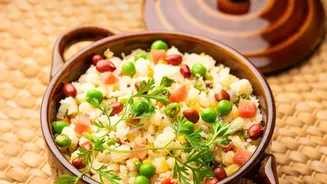
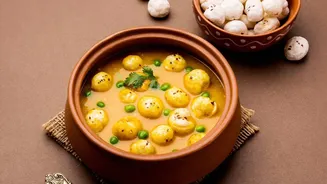
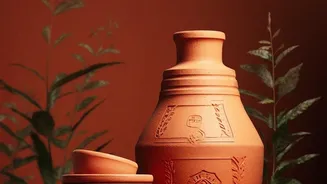
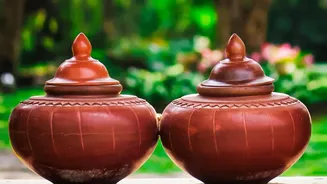
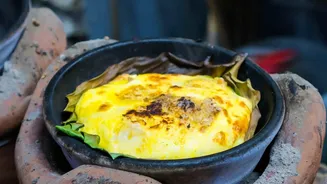
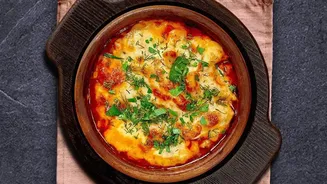
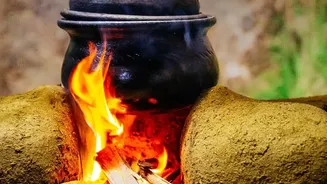
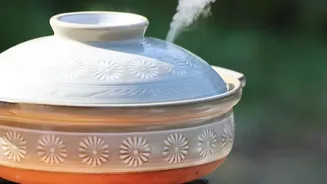
Clay pots work in a fundamentally different way. Made from natural, porous clay, these vessels distribute heat slowly and evenly. Think of it as a gentle, encompassing warmth rather than a sharp, direct heat. This process prevents the scorching and hot spots common in metal pans. The porous nature of the clay also allows steam and moisture to circulate within the pot, creating a self-basting environment that keeps food tender and moist without needing excess water or oil. This slow, gentle cooking method is the key to preserving the food's nutritional integrity.
Protecting Vitamins and Minerals
The slow-and-low approach of clay pot cooking is a lifeline for sensitive micronutrients. Heat-sensitive vitamins such as Vitamin C, Vitamin B1 (Thiamine), and Vitamin B9 (Folate) are notoriously fragile and can be significantly depleted by aggressive cooking methods. Because clay pots cook food at lower, more stable temperatures, they help retain a higher percentage of these vital nutrients. The food is cooked thoroughly but gently, ensuring that its natural goodness makes it to your plate. Furthermore, the alkaline nature of clay can help balance the pH of acidic foods like tomatoes, making them easier to digest and imparting a subtle, natural sweetness.
More Than Just Nutrients
The benefits of clay pots extend beyond nutrient preservation. This traditional cooking method is also remarkably eco-friendly. Clay is an abundant, natural material, and the pots are biodegradable, meaning they can return to the earth without causing pollution. Many find that food cooked in clay simply tastes better, with a deeper, earthier flavour and enhanced aroma as the pot locks in moisture and natural essences. Because they retain heat so well, they can also keep food warm for longer periods after cooking, reducing the need to reheat, which can further degrade nutrients. And by retaining moisture, you often need less oil, making for naturally healthier meals.
Tips for Using Your Clay Pot
Getting started with clay pot cooking is simple. Before the first use, most unglazed clay pots need to be seasoned. This typically involves submerging the pot in water for several hours, then allowing it to air dry. This process strengthens the pot and prevents cracking. Always place your clay pot in a cold oven and let them heat up together, as sudden temperature changes can cause damage. Similarly, avoid placing a hot pot on a cold surface. Cleaning is also straightforward; use hot water and a stiff brush, and avoid using soap, as the porous clay can absorb it. With proper care, a clay pot can be a cherished and valuable tool in your kitchen for years to come.