

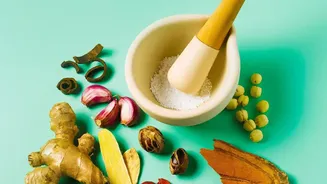
A Tradition Steeped in Wellness
In South India, the line between food and medicine has always been beautifully blurred. Guided by ancient healing systems like Ayurveda and Siddha, generations have relied on kitchens stocked with spices and herbs to create concoctions for everything
from a common cold to poor digestion. This philosophy is built on the principle of using nature’s pantry to maintain balance within the body. These aren't just old wives' tales; they are sophisticated recipes passed down through families, where a simple cup of a herbal brew is seen as a daily act of self-care. Today, there's a powerful resurgence of these practices as people seek authentic, natural ways to support their health. This renewed interest is bringing ancient wisdom out of traditional households and into the mainstream wellness conversation.
The Art of the Kashayam
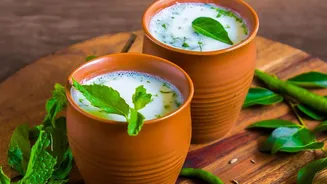
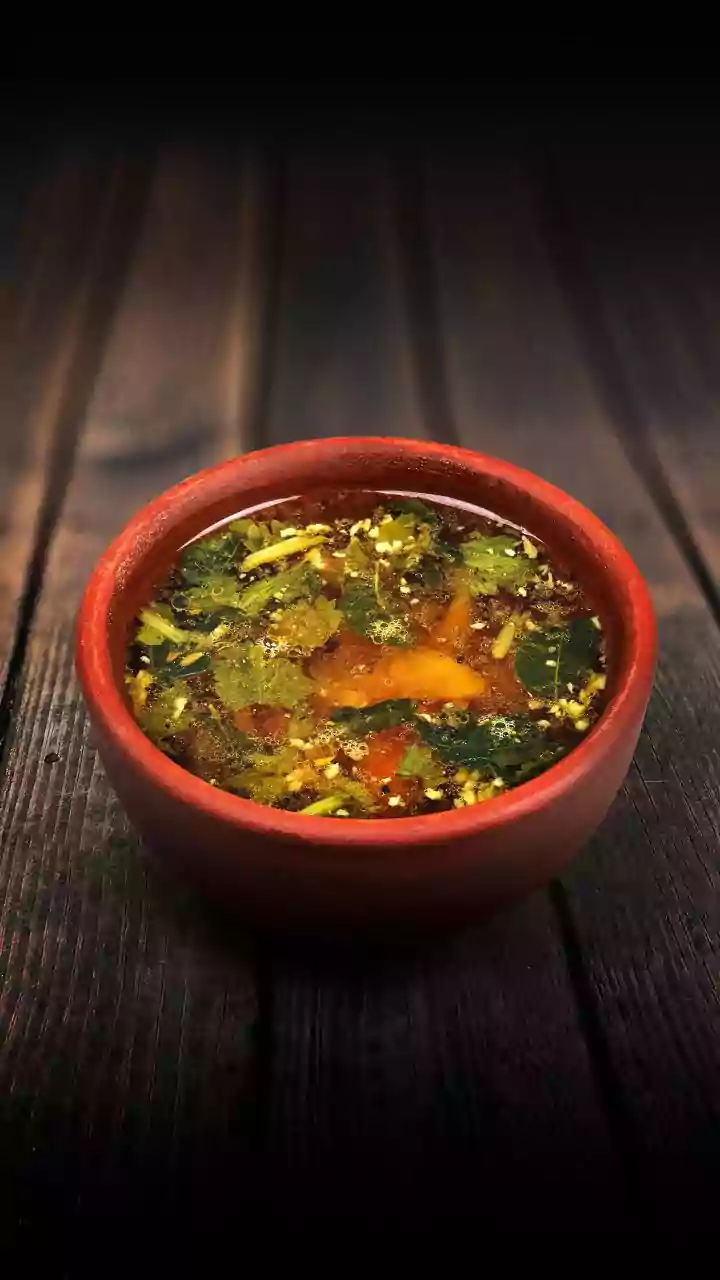
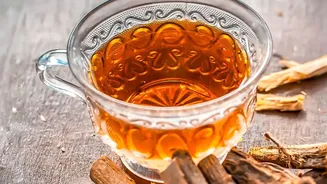
Central to South Indian herbal preparations is the 'kashayam'. Often used interchangeably with 'kwath' or 'kadha' in other parts of India, a kashayam is a herbal decoction made by boiling medicinal plants in water until their essence is concentrated into a potent liquid. Unlike a simple tea where leaves are steeped, the slow-boiling process is designed to extract the maximum water-soluble medicinal properties from tough ingredients like roots, bark, and seeds. These brews are traditionally formulated to address specific needs, from boosting immunity and aiding digestion to reducing inflammation. The resulting drink is often bitter, a taste that in Ayurveda is associated with purifying and detoxifying properties. Its water-based nature makes it light and easy for the body to absorb, delivering the herbs' benefits efficiently.
Spotlight: Sukku Malli Coffee
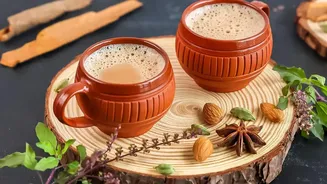
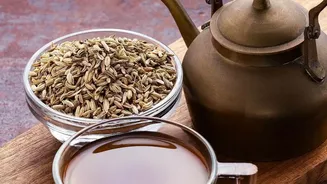
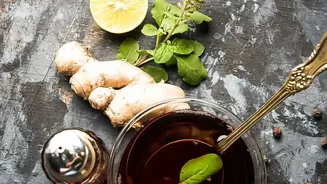
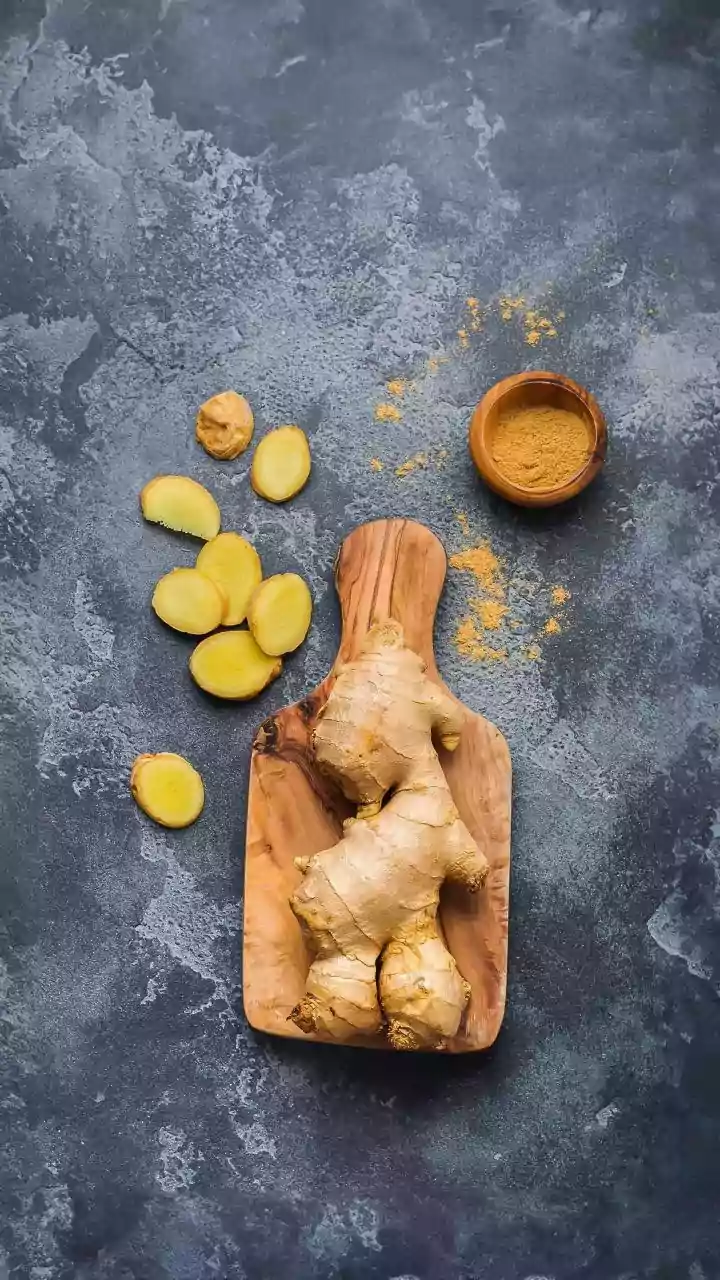
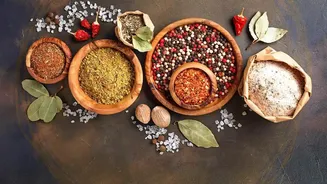
Perhaps one of the most beloved and accessible of these brews is Sukku Malli Kaapi, or Dry Ginger Coriander Coffee. This caffeine-free beverage is a staple in many Tamil households, revered for both its comforting flavour and its healing properties. The two main ingredients give the drink its name: 'sukku' (dry ginger) and 'malli' (coriander seeds). Dry ginger is known for its potent anti-inflammatory and digestive-aiding effects, while coriander seeds are believed to have a cooling effect and support gut health. Often, spices like black pepper and cumin are added to the blend. The pepper not only adds a spicy kick but is also known to enhance the bioavailability of the other ingredients. It's a go-to remedy for a sore throat, cold, or indigestion, offering a warming, soothing experience with every sip.
The Modern-Day Revival
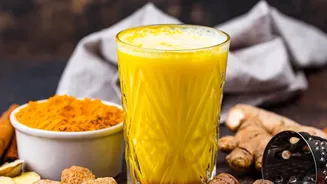
The renewed appreciation for these traditional recipes is not just about nostalgia; it’s a movement driven by a growing desire for clean, functional, and culturally rooted products. Younger generations, particularly Gen Z and millennials, are looking for wellness solutions that are transparent and effective. In response, brands are innovating, presenting ancient formulations in modern, convenient formats like ready-to-drink bottles and easy-to-use sachets. Cafes are adding turmeric lattes and sukku malli kaapi to their menus, and a new wave of Ayurvedic health drinks is entering the market, combining traditional herbs like Ashwagandha and Tulsi with modern ingredients. This trend reflects a broader cultural reclamation, celebrating indigenous knowledge that was once at risk of being forgotten. It proves that these ancient brews are more than just remedies; they are a flavorful link to a rich heritage.