



A Landscape Reborn and Repainted
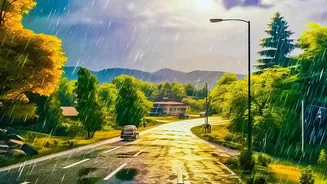
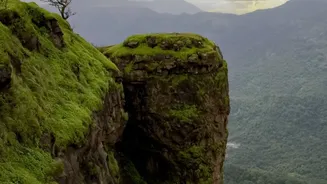
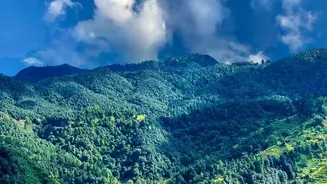
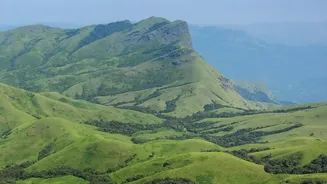
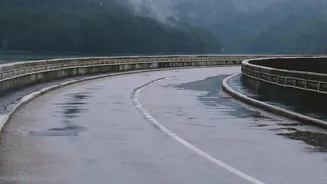
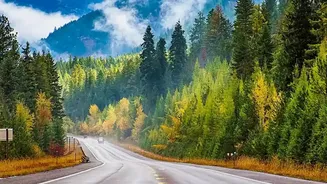
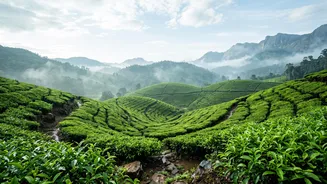
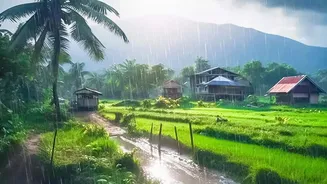
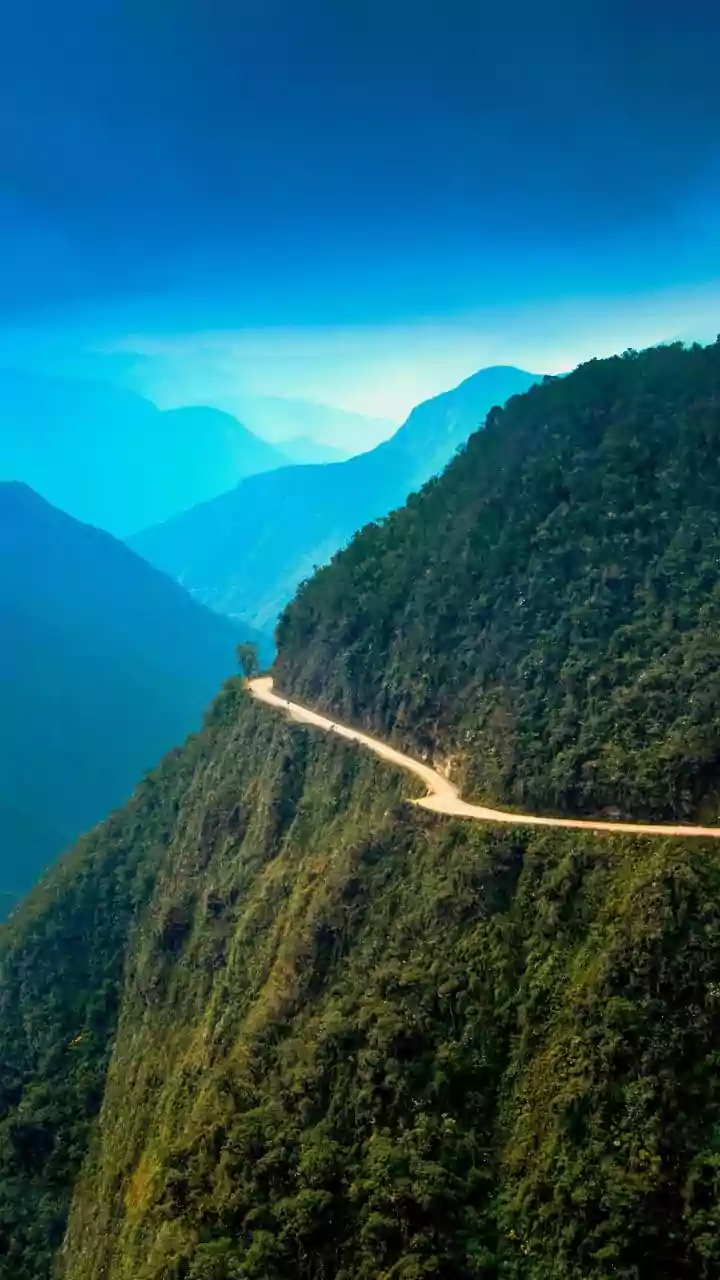
The most compelling reason to visit the Ghats post-monsoon is the sheer visual splendour. The relentless rains saturate the earth, and as the clouds part, the hillsides are revealed in an impossible spectrum of greens. This isn't the tired green of summer
but a vibrant, living colour that carpets everything from rolling hills to ancient forests. This period is also famous for its wildflower blooms. While the 12-yearly Neelakurinji bloom is a rare spectacle, many other flowers create a stunning display. In Maharashtra, plateaus like Kaas Pathar transform into carpets of yellow Sonki flowers and pink Smithia, often called the 'Mickey Mouse flower'. This mass flowering event, expected to be in full swing from late September 2026, turns vast grasslands into a painter's canvas, offering a breathtaking sight that only lasts for a few weeks.
Waterfalls in Their Final Glory
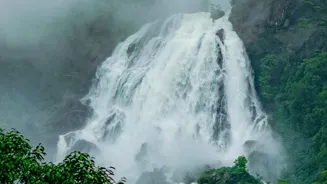
During the peak monsoon, many waterfalls are dangerously powerful and inaccessible. Post-monsoon, however, is the sweet spot. The rivers and streams are still swollen with rainwater, meaning the cascades are full and majestic, but the weather is clearer and safer for visitors. Waterfalls that were mere trickles in summer become thundering spectacles. Destinations like Thoseghar Falls near Satara, Athirappilly Falls in Kerala, and the numerous cascades in Coorg and Wayanad are at their most impressive. The trails leading to them are also more manageable than in the peak rainy season, making it the perfect time to witness their power without the intense downpours. Some falls, like the Umbrella Waterfall at Bhandardara, only exist when the dams overflow from monsoon rains, making this period a unique viewing opportunity.
The Perfect Weather Window
The climate during the post-monsoon months is arguably the best of the year for exploring the hills. The humidity of the monsoon has subsided, and the air is fresh, clean, and pleasantly cool. The heavy, continuous rainfall gives way to clearer skies with occasional, light showers, making it ideal for outdoor activities that would be difficult just a month earlier. This comfortable weather is perfect for trekking, plantation walks, or simply sitting at a viewpoint and soaking in the misty landscapes without the constant dampness. It’s a brief, perfect balance before the drier, cooler winter air sets in and the vibrant green starts to fade.
A Symphony of Sights and Sounds
The post-monsoon ecosystem is buzzing with life. The wet, rejuvenated forests are a haven for biodiversity. It’s a fantastic time for birdwatching, as many species are active after the rains. The air is filled with the chorus of frogs and insects, a constant reminder of the thriving life around you. This is a sensory experience that goes beyond just the views. It’s about the smell of wet earth and blooming flowers, the sound of gushing streams, and the sight of countless butterflies flitting over the flower-filled plateaus. For those interested in nocturnal life, guided frog walks in places like Agumbe and Wayanad reveal a world of rare and endemic amphibians that are most active during this season.
Fewer Crowds and Better Access
September and October represent a 'shoulder season' in the tourism calendar. You are ahead of the peak winter crowds that descend from November onwards, yet the monsoon rush has passed. This translates to a more peaceful experience. Popular viewpoints are less crowded, trails are quieter, and you can often find better deals on accommodation. For a quick short break, accessibility is key. Many prime Western Ghats destinations are just a few hours' drive from major cities. Matheran and Lonavala are easily reached from Mumbai and Pune, Coorg and Chikmagalur from Bengaluru, and Munnar and Wayanad from Kochi and other cities in Kerala and Tamil Nadu. The roads, while requiring cautious driving after the rains, are generally open, offering stunning scenic drives through misty ghats.