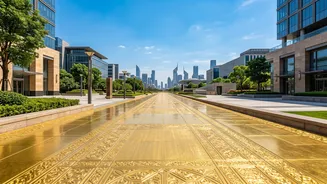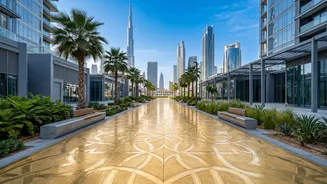



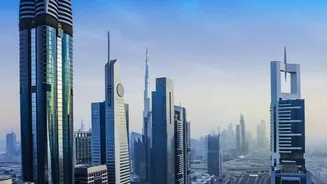

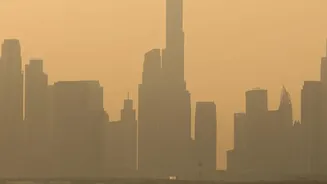
Dubai, a city synonymous with architectural wonders and record-breaking attractions, is constantly reimagining its landscape. The latest buzz points towards a 'Golden Walking Path', a new experience designed for tourists arriving in 2026.
A Glimmer of Gold
The idea of a 'Golden
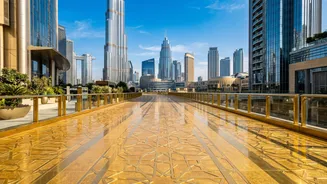
Walking Path' captures the essence of Dubai's brand: luxurious, ambitious, and built to astound. While a specific project officially bearing this name has not yet been detailed by developers, the concept aligns perfectly with the city's direction. The 'golden' aspect likely refers not to literal gold, but to a premium, world-class experience. It speaks to a beautifully designed, possibly climate-controlled or art-filled pedestrian corridor connecting key landmarks. This vision is deeply rooted in Dubai's ongoing mission to enhance its urban environment for both residents and the millions of tourists who visit each year, making the city more walkable and enjoyable even during its warmer months. It represents the next step in a journey of continuous innovation, where the journey itself becomes the destination.
The Foundation of a Walkable City
The spirit of a golden path is already taking shape through several confirmed megaprojects. Dubai's 2040 Urban Master Plan is the blueprint for this transformation. A key goal of the plan is to make over 55% of the population live within 800 metres of a main public transport station, which requires a massive investment in pedestrian-friendly pathways. This includes the development of integrated networks of walking and cycling tracks that will connect all areas of the emirate. These are not just simple sidewalks, but thoughtfully designed public spaces intended to foster community, encourage healthy lifestyles, and provide seamless mobility. The plan explicitly aims to double the area of green spaces and parks, providing lush, shaded environments for residents and tourists to explore on foot.
Beyond a Simple Stroll
Dubai’s forthcoming pedestrian routes promise to be attractions in their own right. Drawing inspiration from existing successful projects like the Dubai Water Canal promenade and The Walk at JBR, future paths are expected to feature a mix of amenities. Imagine strolling along routes lined with public art installations, interactive digital displays, and pop-up cafes, all set against the backdrop of the city's iconic skyline. The RTA has already announced plans for 32km of new beaches and a 9.3km-long, 2.5m-wide 'Sunset Promenade' for walking and jogging at Jumeirah Beach. Furthermore, concepts like climate-controlled walkways, which have been trialled in the past, may become more widespread, offering a comfortable walking experience year-round. These features elevate a simple walk into a curated, multi-sensory experience, delivering on the promise of 'golden' quality.
Connecting Iconic Destinations
A primary function of these new pedestrian networks is to provide better connectivity between Dubai's sprawling attractions. Rather than relying solely on taxis or the metro, tourists will increasingly be able to walk between key districts. For example, the Urban Master Plan envisions a city where vibrant, green corridors link residential areas with commercial hubs and tourist hotspots. This strategic approach not only enhances the visitor experience but also promotes sustainability by reducing reliance on vehicles. By 2026, visitors can expect a more integrated city where they can seamlessly move from a morning at the beach to an afternoon of shopping at the mall, all via a network of safe, scenic, and engaging pathways. This focus on connectivity is central to making Dubai one of the world's best cities to live in and visit.