




What Are Functional Foods Anyway?
The term “functional food” might sound complex, but the idea is simple. These are foods that offer health benefits beyond basic nutrition. Think of it as food with a purpose. This concept isn't about miracle cures, but about ingredients that can potentially
improve your well-being or reduce the risk of certain health issues when eaten as part of a regular diet. This can include whole foods that are naturally rich in beneficial compounds, like berries packed with antioxidants, or foods that have been fortified with extra nutrients, such as vitamins, probiotics, or fibre. The goal is to make everyday foods work a little harder for your health.
The Power of Pulses
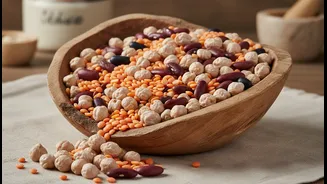
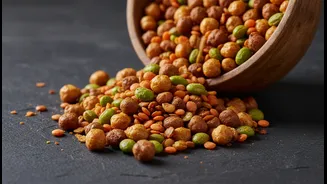
So why are chickpeas and lentils the new stars of the snack world? Because they are nutritional powerhouses in their own right. Both are celebrated for being rich in plant-based protein and dietary fibre. A single cup of cooked chickpeas, for example, provides about 15 grams of protein and 12.5 grams of fibre, which is a significant portion of the daily recommended intake. This combination of protein and fibre helps you feel full for longer, which can aid in weight management and prevent overeating. They are also packed with essential minerals like iron, folate, and manganese, which support everything from energy levels to bone health. In India, where chickpeas (chana) are a dietary staple, their health benefits have been recognised for generations, making them a natural fit for this modern trend.
Enhanced for Extra Benefits
The 'functional' aspect comes into play when manufacturers take these already healthy base ingredients and add even more beneficial components. Snack brands are now infusing chickpea and lentil-based products with everything from added plant protein and prebiotic fibre for gut health to botanical extracts. This aligns with a growing consumer demand for snacks that do more than just satisfy a craving; people want products that support their overall wellness goals, be it for fitness, immunity, or digestive health. This trend has transformed conventional snack-making, with methods like baking or puffing replacing deep-frying to keep the final product healthier.
How to Be a Smart Snacker
While this trend is a positive step towards healthier options, not all functional snacks are created equal. It's still important to be a savvy consumer and read the nutrition label carefully. A snack might be based on chickpeas, but it could also be high in sodium or contain added sugars that diminish its health benefits. Experts advise looking for snacks with simple, recognisable ingredients and checking for a good balance of protein and fibre. Generally, a healthy snack should have at least 3 grams of fibre and around 5 grams of protein per serving, with minimal added sugar. Choosing roasted or baked versions over fried ones is also a simple way to make a healthier choice.
The Bigger Picture: Mindful Munching
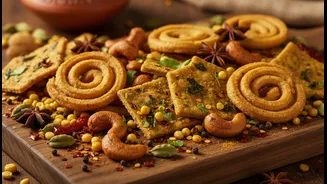
The rise of chickpea and lentil snacks in the functional food space is part of a larger movement towards mindful eating and the demand for plant-based foods. Consumers, particularly in urban India, are increasingly health-conscious and looking for convenient, nutritious options. This has driven innovation in the food industry, leading to a wider variety of snacks that are both tasty and beneficial. Whether it's roasted chana, a long-beloved Indian snack, or new-age lentil puffs fortified with vitamins, the core idea is the same: making every bite count towards a healthier lifestyle.