


The Foundation of Harmony
The magic of this pairing lies in its simplicity and balance. Neutral walls, whether a crisp white or a warm beige, act as a blank canvas. They reflect light, making spaces feel larger and more open, and provide a quiet backdrop that doesn't compete for
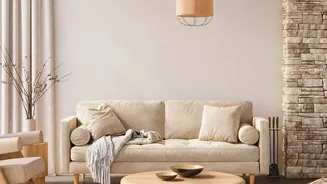
attention. This allows the rich textures, grains, and warm tones of rustic wood to become the focal point. Instead of clashing, the two elements work in harmony; the walls offer a clean, modern feel that prevents the rustic elements from appearing too heavy, while the wood brings warmth and character that keeps the neutral space from feeling sterile or cold.
Choosing Your Perfect Neutral
Not all whites and beiges are created equal. The key is to select a shade with the right undertone for your space. Warm whites and creamy beiges enhance the coziness of rustic decor. Shades like ivory, sandy beige, or greige (a mix of grey and beige) pair beautifully with the natural warmth of most woods. For a north-facing room that gets less natural light, a warm beige can prevent the space from feeling chilly. In contrast, a brighter, purer white can create a crisp, modern farmhouse look when paired with dark wood for a striking contrast. Before committing, always test paint swatches on your walls to see how they look in your home's unique lighting throughout the day.
Selecting and Balancing Wood Tones
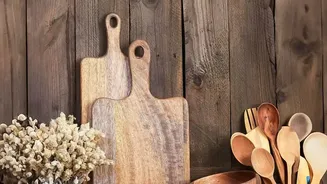
Rustic style celebrates wood in its most natural state: think reclaimed barn wood, live-edge tables, and pieces with visible grain and texture. When mixing different wood tones, the goal is a collected, layered look, not a perfectly matched set. A common design principle is to stick to two or three wood finishes to maintain harmony without the space feeling chaotic. Identify the dominant wood tone in the room—often the flooring or a large piece of furniture—and then select other pieces that either complement or contrast it. For instance, light oak floors pair beautifully with a dark walnut coffee table. Ensure your chosen woods share a similar undertone (warm, cool, or neutral) to create a cohesive feel.
The Power of Texture and Accessories
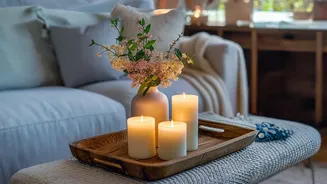
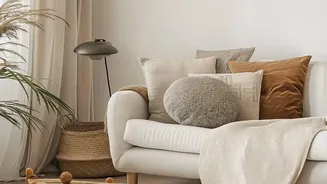
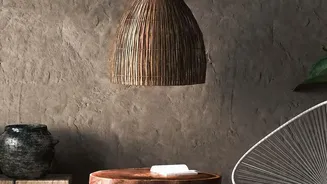
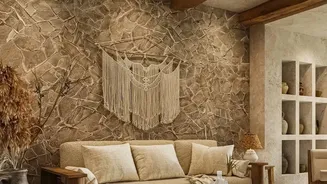
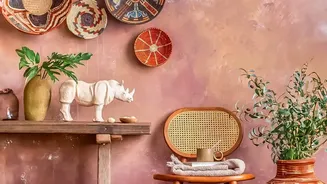
To fully realise this aesthetic, layering different textures is crucial. Soften the clean lines of neutral walls and the hard surfaces of wood with textiles. Think of chunky knit throws, linen curtains, jute or wool rugs, and plush cushions. These elements add tactile depth and enhance the cozy, inviting atmosphere. Don't be afraid to introduce other natural materials, such as stone, rattan, or woven baskets, which complement the rustic theme perfectly. For a final touch, incorporate metallic accents. Warm metals like brass or copper can highlight the warmth in the wood, while black metal offers a modern, industrial-inspired contrast that grounds the space.
Bringing the Look to Life
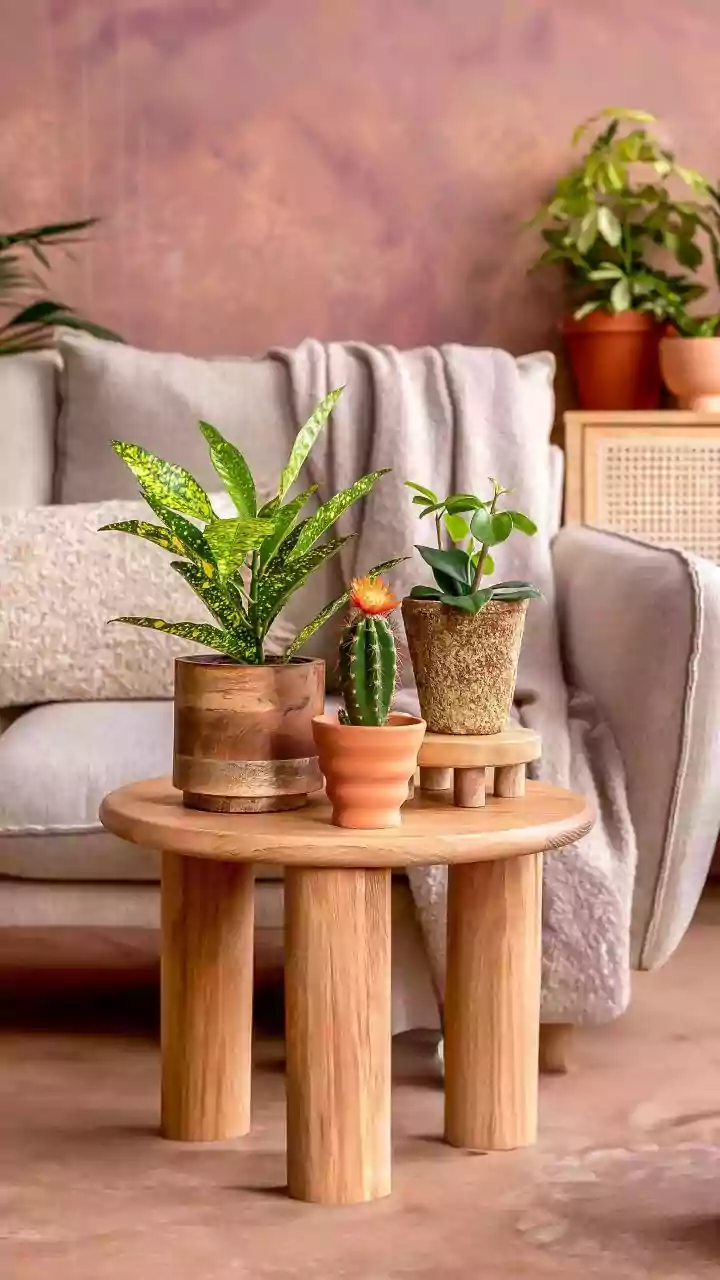
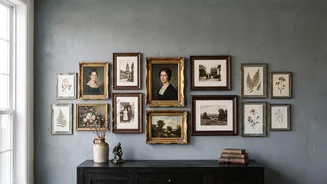
Start by identifying a focal point. A reclaimed wood accent wall behind a bed or sofa can instantly establish the rustic theme. If a full wall feels too committed, begin with a significant piece of wooden furniture, like a dining table, a media console, or a bed frame. From there, distribute the wood elements and textures evenly around the room to create a sense of balance. A wooden picture frame gallery can echo the finish of a side table across the room. Finally, bring in greenery. Potted plants add a touch of life and colour, reinforcing the connection to nature that is at the heart of rustic design.