

The Dawn of the 'Micro-Cation'
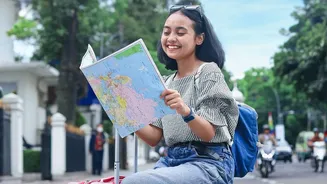
The traditional concept of a holiday in India—a long, planned-out trip during summer or Diwali—is making way for a more spontaneous and frequent travel style. Enter the ‘micro-cation’ or the long-weekend trip, a trend that has reshaped how urban Indians
see their downtime. Instead of one big annual break, many are now opting for several 2-4 day trips throughout the year. This shift is driven by a desire to escape the daily grind more often, even if for a shorter period. Reports show that getaways lasting two to three nights now constitute a majority of leisure bookings, reflecting a lifestyle where travel is a regular pulse rather than a once-a-year event. This change is particularly pronounced among millennials and Gen Z, who prioritise experiences and value flexibility.
Why Festivals are the New Focus
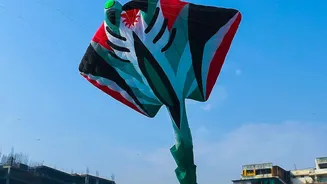
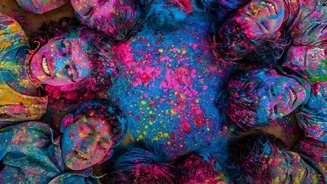
So, where are these travellers headed? Increasingly, their destinations are dictated by India's diverse festival calendar. The appeal is no longer limited to major religious celebrations like Durga Puja in Kolkata or Ganesh Chaturthi in Mumbai. A new wave of tourism is surging around niche cultural, music, and arts festivals. Events like the Hornbill Festival in Nagaland, Ziro Festival of Music in Arunachal Pradesh, and the Rann Utsav in Gujarat are becoming major travel drivers. This trend is fueled by what experts call the 'experience economy,' where travellers seek immersive and authentic cultural moments over passive sightseeing. According to travel industry reports, a significant percentage of travellers now consider cultural factors essential when choosing a destination, and many plan their entire trip around a specific event.
The Driving Forces of Change
Several factors are fueling this cultural shift. Improved connectivity, including budget airlines and better highways, has made reaching distant locations quicker and more affordable. The rise of remote and hybrid work models also allows professionals to blend work with leisure, making it easier to take short breaks. Social media plays a huge role, with platforms like Instagram creating a 'fear of missing out' (FOMO) and inspiring travellers to seek out photogenic and unique experiences showcased by others. Furthermore, younger generations with higher disposable incomes are leading this charge. They are more willing to spend on memorable experiences rather than material goods, seeing travel as an investment in memories and personal growth.
Impact on Local Economies and Culture
This boom in festival tourism has a significant positive impact on local economies, especially in smaller towns and remote regions that are home to unique cultural events. It creates jobs and promotes local crafts, cuisine, and traditions. For example, a music festival in a remote valley or a cultural fair in a desert region brings in revenue that supports local artisans and communities directly. This model of community-led tourism helps preserve cultural identity while fostering sustainable, decentralised growth. However, this popularity also brings challenges, including the risk of over-commercialisation and the need to manage tourist footfall sustainably to protect both the local environment and the authenticity of the cultural experience.
Planning Your Own Festival Getaway
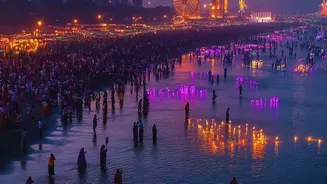
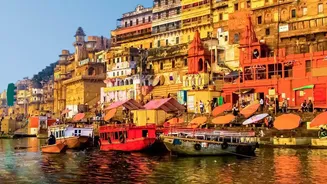
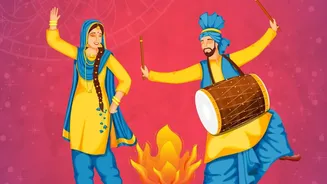
Thinking of joining the trend? Planning is key. For popular festivals, accommodations and travel tickets can sell out months in advance. Start by exploring India’s official tourism websites and specialized festival calendars to discover events that match your interests—from music and art to food and spirituality. Travel companies are also curating specific festival-led holiday packages that handle the logistics for you. Whether it's witnessing the Dev Deepawali in Varanasi, dancing at the Navratri celebrations in Gujarat, or exploring the indie music scene in the hills, be prepared for vibrant crowds and an immersive experience. Remember to pack light, be respectful of local customs, and embrace the organised chaos that makes these celebrations so memorable.