







Why Your Gut Hates the Rain
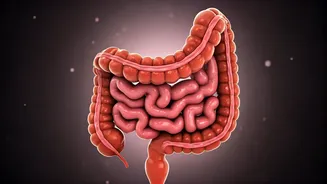
The rainy season might be a relief from the heat, but it creates a perfect storm for digestive problems. High humidity slows down our digestive fire, or 'agni' as Ayurveda calls it, making it harder to break down heavy foods. This leads to common issues
like bloating, acidity, and indigestion. Furthermore, the damp environment is a breeding ground for bacteria and viruses, increasing the risk of waterborne diseases and food contamination. Everything from uncooked street-side chutneys to leafy greens can harbour harmful microbes, making our gut more vulnerable to infections like gastroenteritis and diarrhoea.
The Monsoon Plate: What to Eat
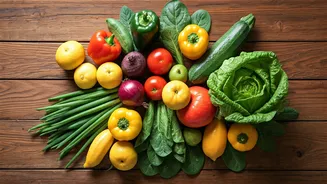
Eating light, warm, and freshly cooked meals is the golden rule for a happy monsoon gut. Think of comforting, easy-to-digest foods. A bowl of moong dal khichdi, prepared with a dash of ghee, is a perfect meal. Lightly cooked and steamed vegetables like bottle gourd (lauki), bitter gourd (karela), and pumpkin are excellent choices. Incorporate whole grains such as barley, oats, and brown rice. Spices are your best friends this season. Ginger, turmeric, garlic, cumin (jeera), and asafoetida (hing) not only add flavour but also have powerful anti-inflammatory and digestive properties that help keep infections at bay. Chewing a small piece of ginger with rock salt before meals is an old Ayurvedic trick to fire up digestion.
Power Up with Probiotics
The balance of good bacteria in your gut can take a hit during the monsoon. Probiotics are essential to restore this balance and strengthen your gut's resilience against infections. Freshly prepared curd (yoghurt) and buttermilk (chaas) are fantastic natural sources of probiotics. A glass of buttermilk spiced with roasted cumin powder and mint after lunch can aid digestion and cool the stomach. Other fermented foods like kefir or traditional preparations like idli and dosa can also contribute to a healthy gut microbiome, though some Ayurvedic experts suggest limiting fermented foods if your digestion is very weak.
The 'Avoid' List: Foods to Sidestep
As tempting as they are, some foods are best avoided. That plate of pakoras or samosas from a street vendor is a major risk. Fried, oily, and heavy foods are difficult to digest and can lead to bloating and acidity. Leafy green vegetables like spinach and cabbage, while usually healthy, can be problematic. The damp leaves can be laden with dirt and microbes that are hard to wash off. If you must eat them, ensure they are thoroughly cleaned and well-cooked. Raw foods, including salads and pre-cut fruits from outside, are also a no-go due to the high risk of contamination. It's also wise to limit seafood, as the monsoon is the breeding season for fish, and freshness can be a concern.
Hydrate the Smart Way
Staying hydrated is crucial for flushing out toxins, but the source of your water matters more than ever. Always drink boiled or filtered water to prevent waterborne diseases. While you might not feel as thirsty in the cooler weather, it's important to keep your fluid intake up. Instead of cold drinks, which can hamper digestion, opt for warm beverages. Herbal teas made with ginger, tulsi, mint, or lemon are excellent choices that soothe the gut and boost immunity. Warm soups and broths are also a great way to stay hydrated while getting essential nutrients.