

A Taste of Tradition
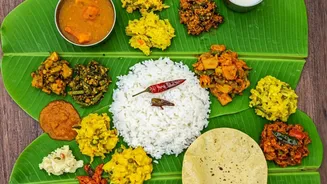
Food is the emotional heart of Janmashtami, a festival marking the birth of Lord Krishna. The offerings, or 'bhog', are deeply connected to stories of his childhood. Since Krishna is famously associated with a love for butter and milk products, the festive
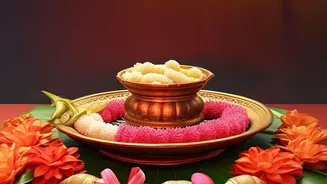
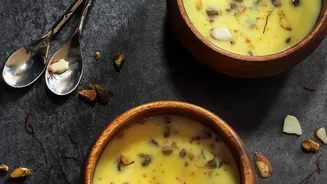
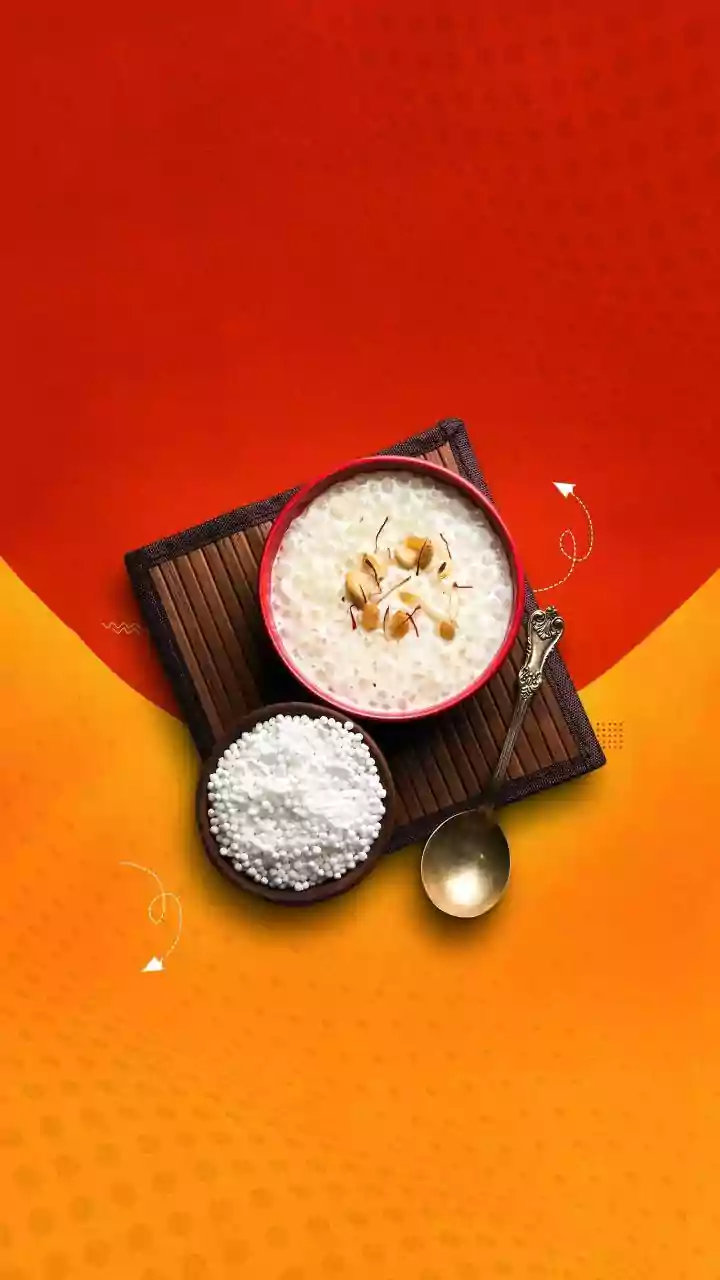
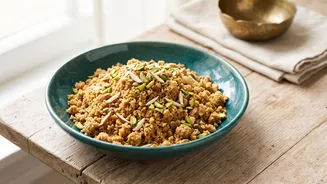
menu revolves around dairy. Traditional kitchens prepare an array of dishes, from the simple and uncooked Makhan Mishri (fresh white butter mixed with rock sugar) to Panchamrit, a sacred concoction of milk, curd, honey, ghee, and sugar. Another staple is Panjiri, a dry, sweet prasad often made with roasted coriander powder, ghee, and nuts, which is perfect for devotees who are fasting. Many families also prepare Mewa Kheer, a rich, slow-cooked milk pudding with nuts, reserved for the midnight feast that marks Krishna's birth.
The New Festive Plate
While these classics remain untouchable in their significance, a creative shift is taking place in modern kitchens. A new generation of chefs and enthusiastic home cooks are reinterpreting these traditional recipes, presenting them with a contemporary flair. This isn't about replacing tradition, but about building on it. The movement reflects a broader trend in Indian dining, where chefs are confidently exploring regional heritage with global techniques, creating dishes that are both nostalgic and novel. The goal is to evolve the experience, making it exciting for a new generation of diners while preserving the soul of the festival.
Reimagining the Classics
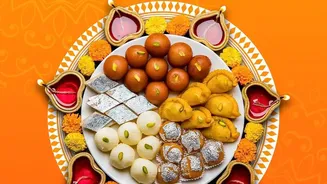
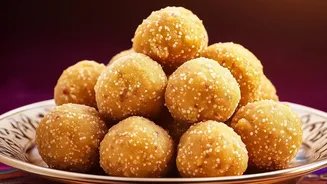
This modern approach leads to some inventive culinary creations. Imagine the humble Panjiri, traditionally a loose powder, being transformed into structured cheesecake bars or nutrient-dense energy balls. The creamy Makhana Kheer (puffed lotus seed pudding) might be served with a crackling, blow-torched sugar top, akin to a crème brûlée. Some chefs deconstruct savoury dishes like Gopalkala, turning the simple mix of flattened rice, cucumber, and curd into an elegant layered salad. We are also seeing sweets like the Gulab Jamun finding their way into French-style croissants, creating a surprising and delightful fusion. These twists are more than just visual gimmicks; they introduce new textures and flavour combinations that complement the original essence of the dish.
More Than Just a Makeover
So, what's driving this change? Several factors are at play. Firstly, there's a growing health consciousness. Cooks are experimenting with substituting refined sugar with jaggery, using gluten-free flours, or creating baked versions of traditionally deep-fried snacks. Secondly, younger palates are more accustomed to global cuisines and modern presentations. A dish that looks familiar from Instagram or a fine-dining menu can make tradition feel more accessible and exciting. This culinary evolution is also being led by a movement of confident Indian chefs who are no longer translating their food for a global audience but are proudly showcasing its complexity and depth. They are acting as cultural storytellers, using food to connect the past with the present.
Your Kitchen, Your Celebration
You don't need to be a professional chef to bring a touch of modernity to your Janmashtami celebration. The spirit of this trend is playful and creative. You could start small by presenting a traditional kheer in individual glass jars or ramekins, garnished with an unusual herb like mint. Try making laddoos with oats or seeds for a healthier twist. You could even take the idea of Panchamrit and blend it into a festive smoothie. The key is to honour the core ingredients and flavours that define the festival while allowing yourself the freedom to experiment. After all, the essence of Janmashtami is joy and celebration, and that can certainly extend to the kitchen.