








A New Generation of Storytellers
The Delhi government has rolled out a multi-pronged strategy to professionalise heritage and tourism, starting with the public-facing Tourism and Heritage Fellowship Programme. This initiative, implemented by the Delhi Tourism and Transportation Development
Corporation (DTTDC), is designed to create a corps of 40 young cultural ambassadors each year. Fellows under the age of 35 receive a monthly stipend of ₹50,000 to immerse themselves in the city’s cultural landscape. Their roles are dynamic and hands-on, moving beyond dusty archives and into the city’s streets. They are tasked with everything from conducting heritage walks and managing guided tours to creating engaging digital content and coordinating tourism campaigns. This programme aims to directly connect the city's youth with its history, giving them a tangible role in shaping Delhi’s tourism narrative and making its heritage accessible to a global audience.
Digging Deeper into the Archives
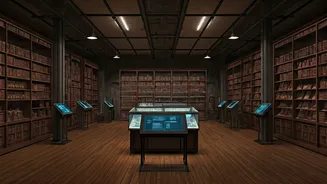
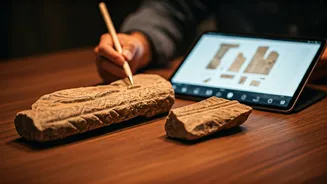
Complementing the public-facing tourism initiative, the government has also approved two new annual research fellowships in archives and archaeology, signaling a serious commitment to academic rigour and conservation. These programmes aim to build a skilled pool of professionals focused on documentation and preservation. The 'Research Fellowship in Archives' will engage 15 researchers annually to work with rare manuscripts, maps, and administrative records, exploring themes from Delhi’s urban expansion to its social and environmental history. Simultaneously, the 'Research Fellowship in Archaeology' will support 12 researchers exploring subjects like the city's earliest settlements in the Ridge area, ancient trade routes, and the impact of climate change on monuments. With stipends of ₹50,000 for Senior Fellows and ₹25,000 for Junior Fellows, these schemes are designed to expand research into lesser-known aspects of the city’s past and promote modern conservation technologies.
Creating a Career in Culture
Together, these fellowships represent more than just a series of government programmes; they signify the creation of a viable career path in a field often powered by passion alone. By providing structured roles, a respectable stipend, and direct engagement with government projects, the initiatives make heritage work a sustainable profession for young historians, archaeologists, and tourism experts. Chief Minister Rekha Gupta described the vision as creating a “bridge between the government and the next generation of cultural ambassadors,” empowering local talent in line with the 'Aatmanirbhar Bharat' mission. Fellows who complete the tourism programme receive an official certificate from the Delhi government, formally recognizing their contributions and providing credentials for future opportunities. This approach not only brings fresh perspectives into the government but also reduces dependency on external consultants, building institutional capacity from within.
A Fresh Approach to Preservation
These people-centric initiatives arrive at a crucial time for Delhi’s heritage. Large-scale redevelopment projects, such as the Shahjahanabad Redevelopment Corporation (SRDC), have faced significant challenges with administrative delays and on-ground maintenance. While such corporations focus on major infrastructure and beautification, their progress has often been slow. The new fellowships offer a more agile, granular approach. Instead of focusing solely on brick-and-mortar restoration, they invest in human capital. This strategy acknowledges that true preservation isn't just about protecting buildings but also about documenting the stories, traditions, and intangible culture they hold. By empowering individuals to work within communities and across digital platforms, the government is fostering a more resilient and distributed network of heritage preservation that can complement the work of larger, slower-moving agencies.