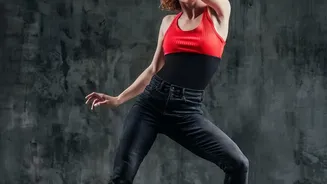






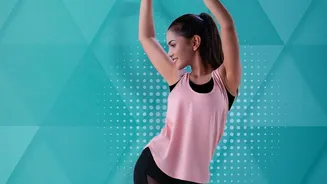
In the world of group fitness, Zumba and Barre are two of the most popular choices, yet they offer vastly different experiences. One is a high-energy dance party; the other is a workout of quiet control. So, which one is right for you?
The Philosophy: Party vs. Precision
At its core, Zumba
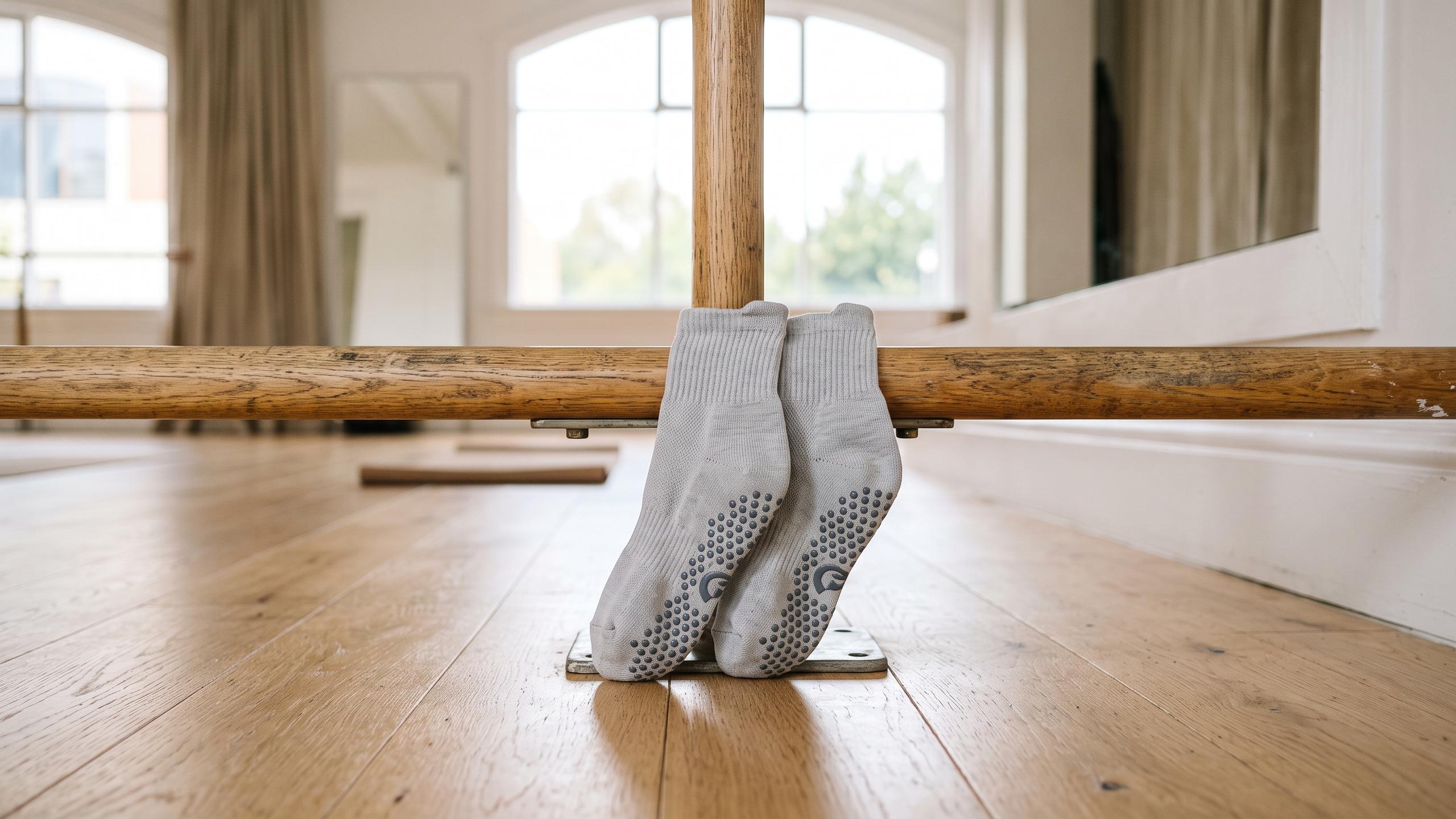
is a dance fitness party. Inspired by Latin and international rhythms, the goal is to make exercise feel less like a workout and more like a celebration. The atmosphere is energetic, the music is loud, and the focus is on moving your body, burning calories, and having fun. In contrast, Barre is all about precision and control. It combines elements of ballet, Pilates, and yoga to create a low-impact, high-intensity workout. Using a stationary barre for support, the class hones in on small, targeted movements designed to fatigue specific muscle groups. The focus isn't on big, expressive dance moves, but on posture, alignment, and muscular endurance.
The Workout: Cardio Dance vs. Isometric Burn
A typical Zumba class feels like a continuous dance routine. An instructor leads you through a series of choreographed, easy-to-follow steps set to upbeat music. The session alternates between fast and slow rhythms to provide an interval-style cardio workout that gets your heart pumping. Expect to be moving for the entire class. Barre, on the other hand, is built on small, controlled actions called isometric contractions, where your muscles are held under tension. These are the tiny pulses, lifts, and holds that target muscles to the point of fatigue—that famous 'barre shake'. While low-impact, the high number of repetitions builds significant muscular endurance and strength. A class usually involves a warm-up, targeted work for the arms, legs, and glutes at the barre, and core work on a mat.
The Movements: Ballet-Inspired Control
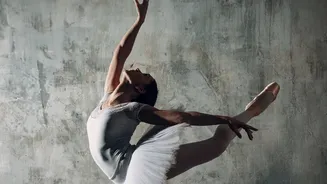
The headline's focus on 'controlled ballet-inspired movements' perfectly captures the essence of a Barre class. You don't need to be a dancer, but the workout borrows heavily from ballet training principles. Expect to perform exercises like pliés (small squats), leg lifts, and attitudes, all while maintaining precise posture and core engagement. The barre itself is used for balance and support, allowing you to deepen the movements and maintain proper form. This focus on alignment and control helps strengthen the smaller, stabilizing muscles often missed in traditional strength training. These movements are deliberately slow and focused, designed to sculpt long, lean muscles rather than build bulk.
The Benefits: Calorie Burn vs. Muscle Tone
If your primary goal is cardiovascular health and burning a high number of calories, Zumba is an excellent choice. An hourlong session can burn between 300 and 600 calories, depending on intensity. It’s a highly effective way to manage weight while improving coordination and endurance. Barre excels in a different area: building lean muscle tone, improving posture, and increasing flexibility. The isometric movements are fantastic for creating sculpted definition in the glutes, thighs, and core. While it burns fewer calories per session than Zumba, the muscle it builds can help boost your resting metabolism over time. It is also prized for being a lowimpact option, making it gentler on the joints.
Who Should Choose Which?
Choosing between Zumba and Barre ultimately comes down to your personality and fitness goals. If you are energized by loud music, love to dance, and want a fun, social cardio workout that doesn't feel like exercise, Zumba is your calling. It’s perfect for anyone who wants to sweat, smile, and leave feeling invigorated. If you prefer a more focused, mindful workout that challenges your muscles in a new way than Barre is the ideal fit. It’s suited for individuals looking to improve posture than gain strength and flexibility without highimpact stress than who appreciate precision and control in their exercise routine.