



Location, Location, Light Pollution
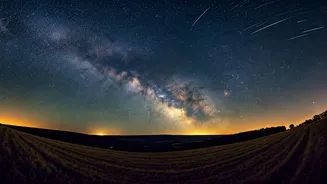
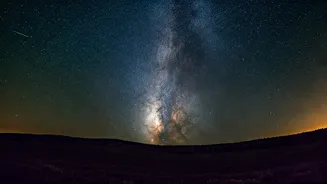
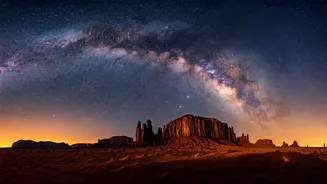
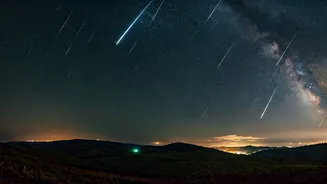
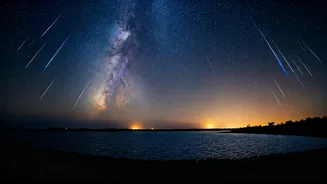
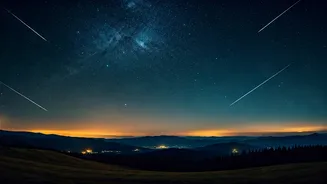
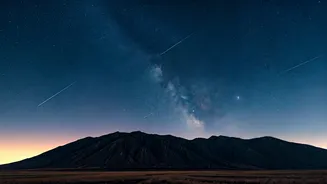
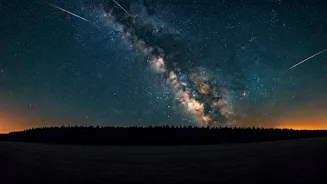
The single most important factor for a successful meteor watch is a dark sky, far from city lights. The glow from urban areas, known as light pollution, can wash out all but the very brightest meteors. From a city, you might see a few dozen stars; from a truly
dark site, you can see thousands, along with the Milky Way itself. For residents in India, this means seeking out designated dark sky locations. Places like Hanle in Ladakh, India's first Dark Sky Reserve, or sites in Spiti Valley, the Rann of Kutch, and parts of the Western Ghats like Coorg offer pristine viewing conditions. Using a light pollution map online can help you find a promising spot within driving distance, transforming your experience from seeing a handful of meteors to witnessing a genuine celestial shower.
Timing is Everything
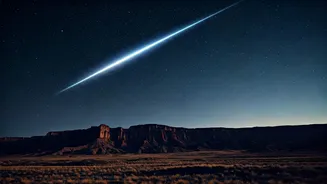
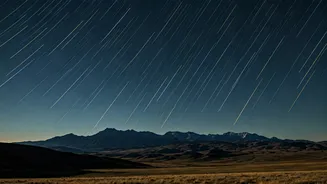
Meteors don't just show up on demand. They are part of specific showers that peak on certain dates. Mark your calendar for the year's major events. The Perseids in mid-August and the Geminids in mid-December are the two most reliable and spectacular showers visible from India. In 2026, the Perseids peak around August 12-13 with a new moon, promising perfect dark sky conditions, though monsoon clouds can be a challenge outside of dry zones like Ladakh. The Geminids, India's best shower, will peak on the night of December 13-14, 2026, with a slim moon that won't interfere. The best viewing hours are typically after midnight and before dawn, when the radiant point (the area of the sky where the meteors appear to originate) is high in the sky. Always check the phase of the moon; a full moon can be as disruptive as city lights.
Patience and Dark Adaptation
Once you've reached your dark location, your eyes need time to adjust. It takes about 20 to 30 minutes for your eyes to become fully dark-adapted, a process involving a chemical called rhodopsin rebuilding in your retinas. During this time, you must avoid all sources of white light. A single glance at your phone screen can ruin your night vision and reset the clock. If you need a light, use a torch covered with red cellophane or a headlamp with a red-light setting, as red light is far less damaging to your night vision. Meteors often come in spurts, with lulls in between. Be prepared to watch for at least an hour. Don't just stare at the radiant; meteors can appear anywhere in the sky. Lie back and take in as wide a view as possible.
Comfort is Not Optional
You can't appreciate the cosmos if you're shivering and uncomfortable. Strategy extends to your personal comfort. Even on a summer night, the temperature can drop significantly in the early morning hours, so dressing in layers is essential. Bring more than you think you'll need: warm jackets, a hat, gloves, and thick socks are non-negotiable for winter showers like the Geminids. A reclining lawn chair or a thick blanket on a groundsheet is crucial for comfortable viewing, saving you from a sore neck. A thermos of a hot beverage like tea or coffee can be a game-changer, providing both warmth and a welcome boost during the long wait. Pack some easy-to-eat snacks to keep your energy up. The goal is to create a comfortable nest so you can relax and focus on the sky.