






A New Definition of a 'Good Life'
For many young Indians today, the metric of a successful life is shifting from what you own to what you have done. This change is rooted in a new perspective on happiness and fulfilment. Unlike previous generations who focused on building tangible assets
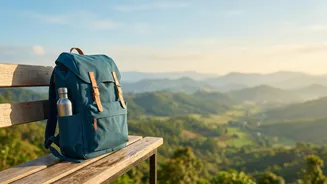
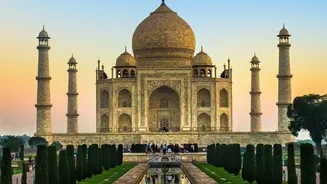
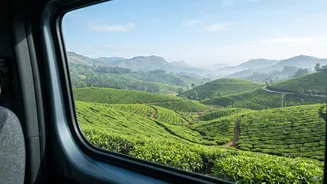
for long-term security, today's youth often view life as more uncertain. This perception makes amassing possessions seem less meaningful than collecting experiences that promise personal growth, new perspectives, and lasting memories. Research shows that experiences tend to provide a greater and longer-lasting happiness boost than material purchases. This isn't just a fleeting trend; it’s a deep-seated change in values. A 2024 survey noted that 81% of young Indians ranked 'travel and seeing the world' as their top priority, far above acquiring gadgets and clothes. This generation is actively choosing to invest in themselves and their life stories, rather than just their living rooms.
The Rise of the Experience Economy
This cultural shift has been met with a booming market ready to serve it. India’s “experience economy”—encompassing everything from live concerts and sporting events to wellness retreats and skill-based workshops—is expanding rapidly. Projections show the market could grow from around $32 billion in 2024 to nearly $60 billion by 2030. This growth isn't just limited to big-ticket travel. Consumers are increasingly spending on local, often spontaneous, activities. According to one report, spending on such local experiences grew an astonishing 90 times in 2025 compared to the previous year, with learning and wellness-based activities seeing some of the fastest growth. This includes everything from pottery workshops to curated food trails, showing a desire for participation over passive consumption. The sheer scale is evident: India hosted over 34,000 concerts and live shows in 2025, with single events like Coldplay's concerts in Ahmedabad generating enormous economic impact.
The Social Media Influence
It’s impossible to discuss this trend without acknowledging the role of social media. Platforms like Instagram have transformed experiences into a new form of social currency. A stunning travel photo or a video from a sold-out concert generates more engagement and conveys a more dynamic personal identity than a picture of a new phone. For many young Indians, travel and unique activities have become a way to build and showcase their individuality. The influence is direct and powerful; some data suggests over 60% of young consumers say that viral trends and influencer marketing shape their purchase decisions. For Gen Z in particular, who grew up in an era where experiences are highly visible and shareable, participating in these events has become a key part of their social identity. This creates a powerful feedback loop where the desire for shareable moments fuels the demand for new and exciting experiences.
Changing Economic Realities
While it may seem counterintuitive, economic factors are also pushing young people towards experiences. For one, rising disposable incomes and easier access to credit, particularly through digital platforms, have given them more financial freedom. But there's another side to it. The traditional markers of success, like owning a home in a metro city, feel increasingly out of reach for many. Instead of saving for a down payment that seems impossibly high, many opt for more attainable goals, like a trip abroad or attending a music festival. This has led to concepts like a “fun fund,” where young consumers budget specifically for experiences alongside their savings and other financial commitments. Data shows that while millennials are the biggest spenders on travel overall, both Gen Z and millennials are prioritising experiences in their budgets. This isn't necessarily a rejection of financial responsibility—many balance this spending with everyday needs—but a reallocation of discretionary funds toward what they value most.