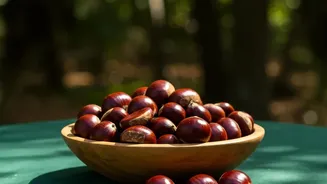





The aroma of roasting chestnuts is a hallmark of the festive season. While convenient microwave packs offer a quick fix, they can't replicate the deep, smoky flavour of traditional pan-roasting. Here’s why taking a few extra minutes is worth it.
Convenience vs. Character
In our
fast-paced world, convenience often wins. Pre-cooked, vacuum-sealed chestnuts that you can heat in the microwave in minutes are a perfect example. They are undeniably quick and require zero preparation. However, this speed comes at a cost to both flavour and texture. Microwaving essentially steams the chestnuts using electromagnetic waves. This process cooks them from the inside out, resulting in a texture that is often soft, spongy, or even rubbery, closer to a boiled potato than a roasted nut. The flavour is muted, offering a simple, sweet nuttiness but missing the complex, toasted notes that make roasted chestnuts so special. It’s a snack born of efficiency, but it lacks the soul and character that defines this classic winter treat.
The Science of Smoky Flavour
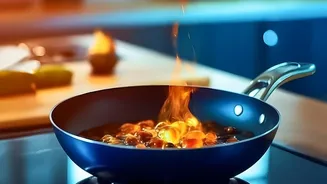
The magic of pan-roasting lies in direct, dry heat. When chestnuts are cooked in a hot skillet, several chemical reactions occur that microwaving simply cannot replicate. The most important of these is the Maillard reaction, a process where amino acids and sugars in the food react to create a host of new flavour and aroma compounds. This is the same reaction that gives toasted bread, seared steak, and roasted coffee their deep, complex flavours. The direct heat from the pan caramelizes the natural sugars in the chestnuts, intensifying their sweetness and creating rich, nutty notes. Furthermore, the slight charring that occurs where the chestnuts touch the hot pan imparts a distinct smoky quality, reminiscent of chestnuts roasted over an open fire. This combination of caramelization and smokiness creates a multi-layered flavour profile that is both sweet and savoury.
A Simple Guide to Pan-Roasting
Achieving that perfect smoky flavour at home is easier than you might think. All you need are fresh chestnuts, a sharp knife, and a heavy-bottomed skillet, preferably cast-iron for its excellent heat distribution. First, always score your chestnuts. Place each nut flat-side down on a cutting board and carefully make an 'X' on the rounded side. This crucial step allows steam to escape, preventing them from exploding in the pan. Place the scored chestnuts in a single layer in your dry skillet over medium heat. Do not overcrowd the pan; each nut should make contact with the surface. Roast for about 15-20 minutes, shaking the pan every few minutes to ensure they cook evenly and don't burn on one side. You'll know they're done when the shells begin to blacken slightly and peel back from the 'X', and the nut inside is tender.
The Perfect Peel and Serve
The final step is just as important for the perfect chestnut experience. Once roasted, immediately transfer the hot chestnuts into a clean tea towel. Wrap them up tightly and let them steam for 5 to 10 minutes. This process softens the shells and makes peeling significantly easier. It's best to peel them while they are still warm, as the shells and the thin inner skin (the pellicle) can become stubborn once they cool down. The shell should pull away easily, revealing the golden, tender nut inside. Serve them immediately while they are still warm, perhaps with a sprinkle of sea salt or a side of melted butter for an extra touch of indulgence. The warmth, the smoky aroma, and the satisfyingly sweet, tender bite are a reward that no microwave can ever truly match.