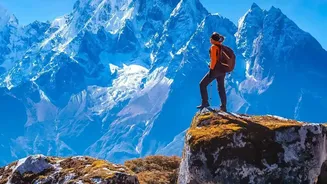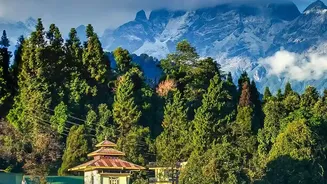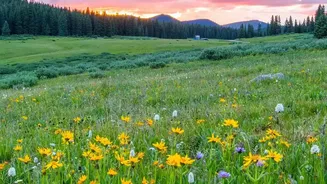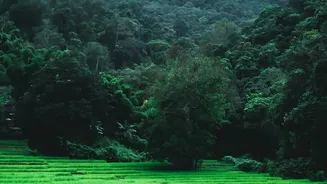



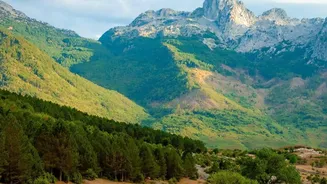
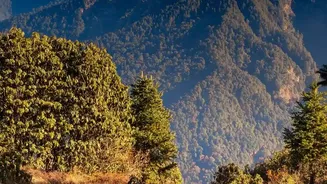
Imagine Sikkim: prayer flags, misty mountains, and… traffic jams? Peak season turns popular spots into a frenzy of selfie sticks and honking cars. But beyond this chaos lie serene valleys where the true spirit of the Himalayas thrives.
The Familiar Frenzy of the Tourist Trail
For many first-time
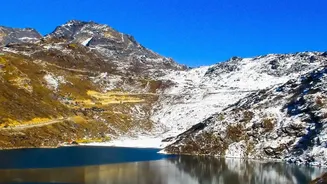
visitors, Sikkim means a checklist: Gangtok's MG Marg, the glacial waters of Tsomgo Lake, and perhaps a trip towards Nathula Pass. While beautiful, these destinations often come with a side of overwhelming crowds, especially during peak tourist season. By 9 a.m., Tsomgo Lake can feel less like a sacred high-altitude wonder and more like a bustling marketplace. The experience becomes a blur of finding parking, navigating through tour groups, and waiting in queues. This commercialised rhythm, while efficient for seeing the 'sights', can leave you feeling detached from the very tranquility you came to the mountains to find.
The Allure of the Unseen Valleys
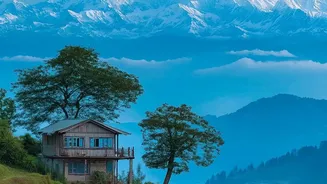
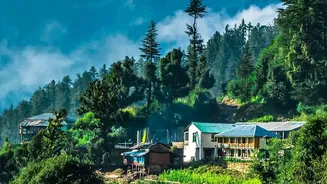
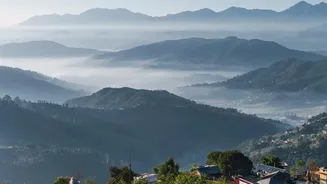
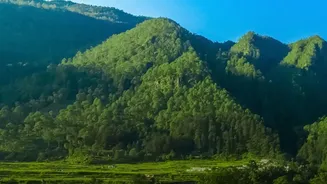
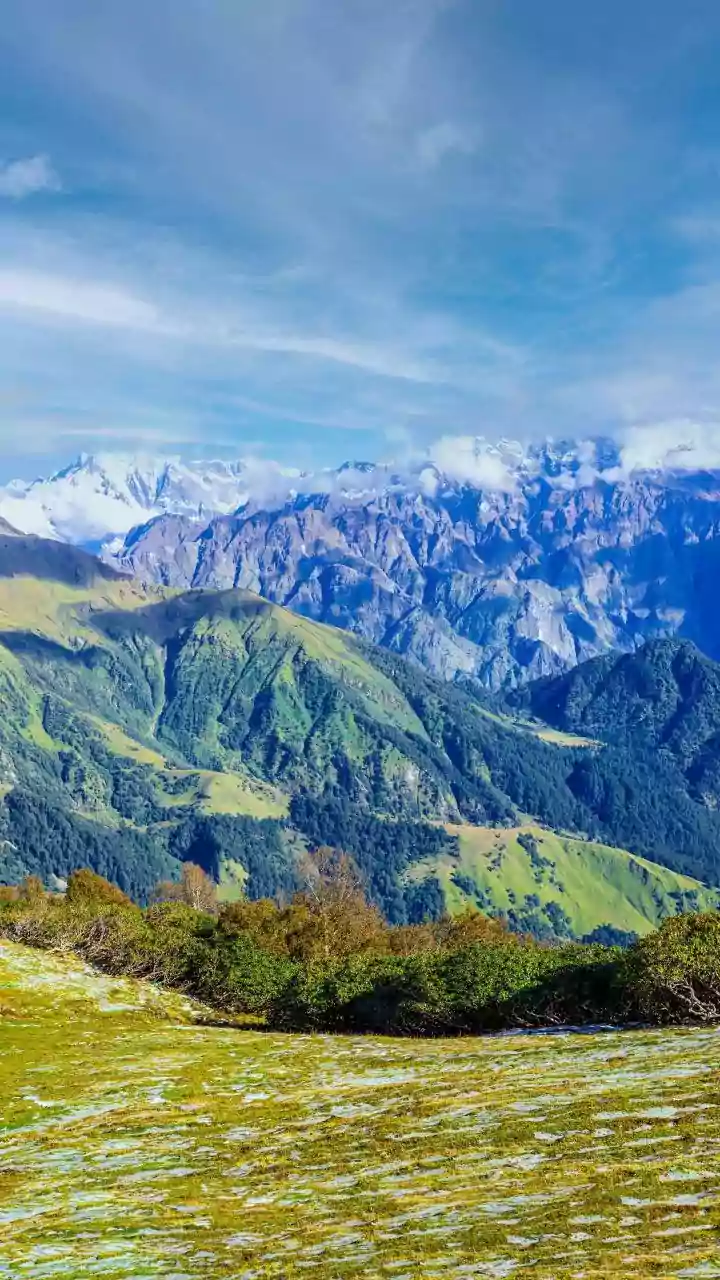
The alternative isn't to skip Sikkim, but to look beyond the main circuits. Offbeat travel here means trading large hotels for intimate homestays and convoy jeeps for quiet village walks. It’s about choosing places where the primary attraction isn’t a single viewpoint, but the entire atmosphere. Valleys like Dzongu in North Sikkim or the villages along the Old Silk Route in the East offer a different kind of travel. Here, the pace is dictated by nature, not by a packed itinerary. The goal shifts from seeing as much as possible to experiencing a place deeply, from the food you share with a host family to the sound of a river being the only noise at night.
Dzongu: A Sanctuary of Culture and Quiet
Tucked away in North Sikkim, Dzongu is not just a place but a protected sanctuary for the Lepcha community, the aboriginal inhabitants of Sikkim. This status means access is restricted; Indian nationals need a special permit, and hotels are non-existent, making way for a beautiful network of homestays. Visiting Dzongu feels like stepping into a living cultural reserve bordered by the Teesta River and the foothills of Kanchenjunga. Days here are spent on unhurried walks through cardamom plantations, hikes to remote monasteries like Tholung, and listening to stories from your Lepcha hosts. The peace in Dzongu is profound because it is intentional—a valley preserved from mass tourism to protect a way of life deeply connected to nature.
Zuluk: Journeying on the Old Silk Route
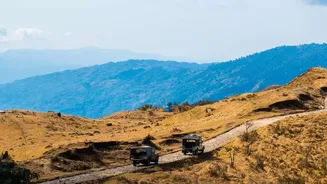
In East Sikkim, the journey itself is the destination. Zuluk is a small village perched at 10,000 feet, famous for the historic Old Silk Route that snakes its way up the mountains in a series of 32 hairpin bends. While increasingly popular, it remains a world away from the crowds of Gangtok. The experience here is about the raw, rugged beauty of the Eastern Himalayas. Waking before dawn to drive up to Thambi View Point for a sunrise that illuminates the entire Kanchenjunga range is a memory that stays with you. The stay is in simple, welcoming homestays, where you get a sense of life in a remote border region. The peace here comes from the vastness of the landscape and the feeling of being on an ancient, history-filled path.
Beyond the Valleys: A Mindset Shift
Choosing these offbeat valleys over their more famous counterparts is about more than just avoiding crowds; it’s a shift in the travel mindset. In places like West Sikkim's quiet villages of Rinchenpong or Kaluk, the main activity might simply be watching the light change over the mountains from your homestay window. Instead of a transactional tourist experience, you get genuine cultural immersion. Staying in homestays directly supports the local economy, giving communities an incentive to preserve their environment and traditions. It’s a more sustainable and conscious way to travel, where the reward is not just a photograph, but a real connection to the place and its people.