


The Moon: Your Greatest Ally or Foe
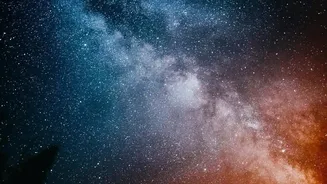
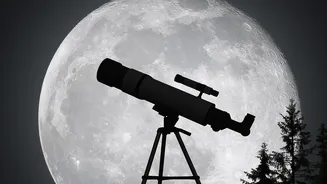
When it comes to stargazing, the moon's phase is the single most important factor you can control. A full moon is beautiful, but its brightness acts like a natural form of light pollution, washing out fainter stars, distant galaxies, and the delicate
structure of the Milky Way. On a full moon night, even a pristine dark-sky location can have a sky as bright as a city centre, reducing the number of visible stars by up to 90%. Conversely, the period around the new moon ('Amavasya'), when the moon is invisible in the sky, offers the darkest conditions. This is the prime window for witnessing the cosmos in its full, breathtaking glory.
How to Time Your Celestial Adventure
Planning is simple: check a lunar calendar online. The ideal time for a stargazing trip is the 'new moon window', which includes the new moon itself and the three to four nights before and after it. During this week-long period each month, the moon is either completely absent or appears as a slim crescent that sets early, leaving the rest of the night perfectly dark for observation. If your schedule doesn't align with a new moon, don't despair. A crescent moon (less than 25% illuminated) has minimal impact, and even a half-moon can allow for great views if you plan your observation for hours when the moon is below the horizon.
Hanle, Ladakh: India’s Dark Sky Sanctuary
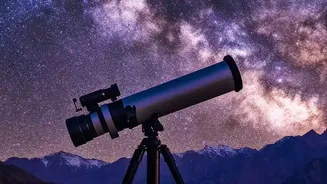
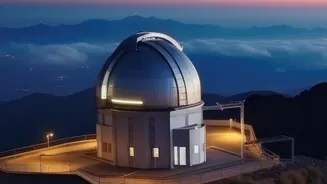
For the ultimate stargazing experience, Hanle is unparalleled. Designated as India's first official Dark Sky Reserve in 2022, this remote village in eastern Ladakh sits at a staggering altitude of 4,500 metres. The high altitude, dry air, and near-total absence of light pollution provide some of the clearest and darkest skies on Earth. On a moonless night, the Milky Way is so bright it can cast a faint shadow. The reserve was established to protect these pristine conditions for both astronomical research—it's home to the Indian Astronomical Observatory—and a growing astro-tourism scene, where trained local guides help visitors explore the cosmos. The journey from Leh takes 8-10 hours, and permits are required, but the celestial reward is worth every effort.
Spiti Valley, Himachal Pradesh: A High Altitude Desert
Like Ladakh, the cold desert of Spiti Valley is a stargazer’s paradise. Its high altitude (averaging over 12,500 feet) and location in a rain shadow region ensure minimal cloud cover and exceptionally clear skies. Villages like Kaza, Langza, Kibber, and Komic are renowned for their dark skies, where the Milky Way is a nightly spectacle from May to October. Langza, with its iconic Buddha statue against a backdrop of stars, offers an unforgettable astrophotography opportunity. The best time to visit for clear skies is from late May to October, with September offering some of the driest, clearest air post monsoon.
Rann of Kutch, Gujarat: A Starry Salt Desert
The vast, flat expanse of the Great Rann of Kutch offers a unique stargazing canvas. Far from major cities, this salt desert has minimal light pollution and a perfectly unobstructed horizon to horizon view. During the Rann Utsav (typically November to February), the cool, dry winter air creates excellent viewing conditions. You have two distinct experiences to choose from: a full moon night bathes the white salt in an ethereal, silvery glow, which is a spectacle in itself. However, for seeing the most stars and the Milky Way arching across the sky, plan your visit during a new moon phase.
Coorg, Karnataka: The View from the South
You don’t have to go to the high Himalayas for a cosmic show. Nestled in the Western Ghats, Coorg offers some of the darkest skies in southern India, especially in the southern valleys near the Brahmagiri foothills. Away from the lights of Madikeri, coffee plantations and homestays provide ideal spots to set up a telescope. The best season for stargazing is from November to May, after any monsoons have cleared the air. While not as dark as Ladakh or Spiti, Coorg's skies are still impressive enough to reveal any Milky Way on a moonless night and offer a fantastic more accessible alternative for those in south.