





The 30-Day Welcome Mat
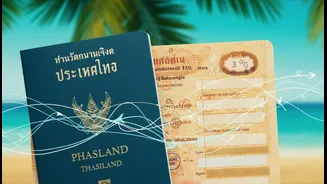
In a recent move, the Thai government confirmed a 30-day visa-free entry for Indian tourists. This decision came after some confusion caused by an earlier proposal to change visa rules, which had led to a drop in arrivals from India, one of Thailand's
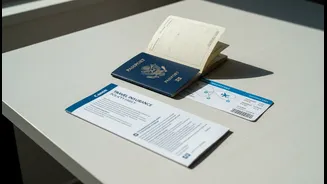
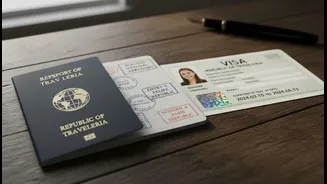
largest tourism markets. The new policy replaces the previous 60-day visa exemption and is designed to match the typical travel patterns of most visitors. For a standard two or three-week holiday, this is perfect. You can arrive with your valid passport, proof of onward travel, and accommodation details, and receive a 30-day entry stamp without any prior visa application.
The Caveat: What 30 Days Really Means
Here's the crucial detail for those with longer itineraries: the 30-day visa-free stamp is primarily for short-term tourism. While some visa types allow for an extension within Thailand, relying on this for a visa-exempt entry can be uncertain. Furthermore, Thai immigration authorities have significantly increased their scrutiny of back-to-back entries, a practice known as a "visa run." The government is cracking down on foreigners who misuse visa policies to stay long-term for illicit activities or illegal work. Trying to exit and immediately re-enter to get a fresh 30-day stamp is now a risky strategy that can result in being denied entry. Officials are now checking for repeated entry patterns, and land border crossings for visa-exempt tourists are limited to twice per calendar year.
Planning Beyond 30 Days: The Tourist Visa
If your dream trip involves more than a month of exploring Thailand's beaches, cities, and mountains, the smartest and safest route is to plan ahead. The best option is to apply for a 60-day Single-Entry Tourist Visa (TR) from a Royal Thai Embassy or Consulate in India before you travel. This visa is specifically designed for longer holidays. It gives you a 60-day stay upon arrival, providing ample time for a more immersive experience without the stress of an expiring entry stamp. The process typically involves submitting an application form, your passport, photos, flight and hotel bookings, and proof of sufficient funds.
The 60-Day Visa: A Path to 90 Days
A key advantage of the 60-day Tourist Visa is its potential for extension. Once in Thailand, if you decide you want to stay even longer, this visa can typically be extended for an additional 30 days at a local immigration office. This brings your total potential stay to 90 days. The extension process involves filling out a TM7 form, providing photos and passport copies, and paying a fee of 1,900 Baht. This formal, in-country extension is a much more reliable method than attempting a risky border run. It’s the officially sanctioned path for tourists who wish to prolong their holiday legally.
Other Long-Stay Options to Consider
For those contemplating an even longer-term stay, such as digital nomads or retirees, Thailand offers several other visa categories. The new Destination Thailand Visa (DTV) is designed for remote workers and allows for a stay of up to 180 days, which can be extended. There are also Non-Immigrant Visas for purposes like business (B), education (ED), or retirement (O). These require more extensive documentation, including financial proof and specific plans, but they provide a legal framework for residing in the country for extended periods, completely avoiding the ambiguity of short-term tourist entries.