




The Modern Breakfast Dilemma
Morning meals have become a cultural spectacle. On one side, we have trendy Western breakfasts, beautifully plated and globally popularised. Think vibrant acai bowls, creamy avocado toast, and protein pancakes. They promise wellness, often with a premium
price tag. On the other side are India's humble, time-tested staples: a glass of sattu sharbat or a hearty bowl of sprouted legumes.. These options may lack the social media glamour, but they possess a dense nutritional wisdom passed down through generations, designed for our bodies and our climate.. The choice isn't just about taste; it's about nutrition, culture, and what truly fuels our day effectively.
The Sattu Powerhouse
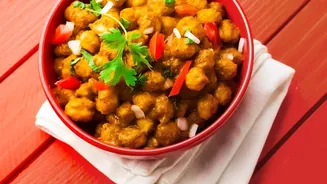
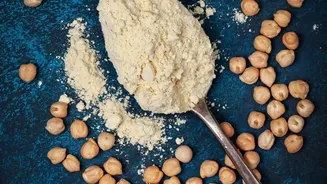
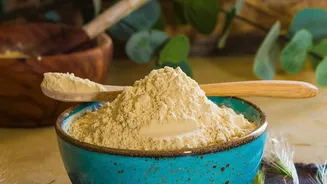
Sattu, a flour made from roasted Bengal gram, is a nutritional heavyweight from the heartlands of Bihar, Uttar Pradesh, and Jharkhand.. Often called a 'poor man's protein', its profile is anything but poor. Per 100 grams, sattu packs an impressive 20-25 grams of protein, making it comparable to many commercial protein powders.. Beyond protein, it's exceptionally rich in dietary fibre, which aids digestion, promotes gut health, and keeps you feeling full for longer.. It's also loaded with essential minerals like iron, magnesium, and calcium.. Sattu has a low glycaemic index, meaning it provides sustained energy without the sharp blood sugar spikes associated with sugary breakfast cereals.. Its natural cooling properties make it an ideal drink to combat summer heat.
The Sprouting Revolution
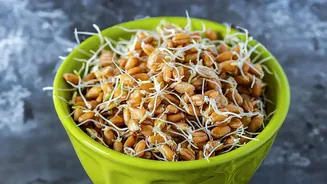
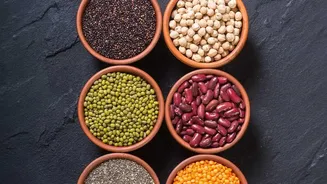
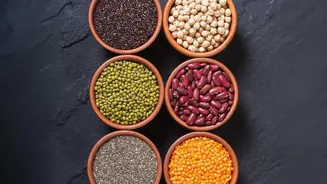
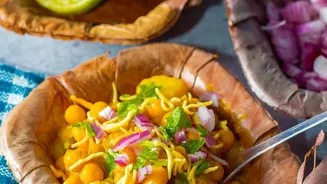
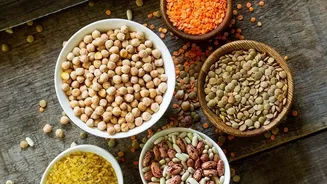
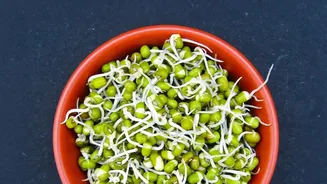
Sprouted legumes, especially moong dal, are another cornerstone of traditional Indian nutrition. The process of sprouting transforms the legume, unlocking a host of benefits. Sprouting significantly increases the bioavailability of nutrients, meaning your body can absorb more of the good stuff.. It boosts the content of vitamins, particularly Vitamin C, and makes the legumes easier to digest by reducing anti-nutritional factors.. A 100-gram serving of moong sprouts provides a solid dose of protein and fibre with very few calories.. When combined into a bowl with chopped vegetables and simple spices, it becomes a complete meal that is hydrating, full of live enzymes, and incredibly nourishing..
Western Trends: Hype vs. Health
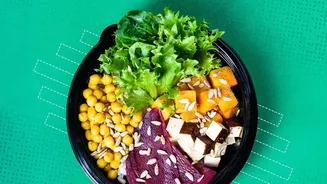
Let's look at the Western contenders. Avocado toast on whole-grain bread offers healthy monounsaturated fats and fibre.. However, a single restaurant serving can be high in calories and sodium, and it often lacks a significant protein punch unless you add eggs.. Acai bowls, while full of antioxidants, can be deceptive. They are often loaded with sugar from fruit purees, juices, and sweeteners, leading to a potential energy crash later. A breakfast combo of avocado toast and an acai bowl can sometimes contain over 800 calories.. While not inherently unhealthy, the way these trendy meals are often prepared and consumed can detract from their benefits, turning a wellness promise into a high-sugar or high-calorie trap.
The Verdict: Cost, Culture, and Common Sense
When you compare them, the advantages of Indian staples become clear. Sattu and sprouted legumes are incredibly affordable and accessible.. They are perfectly suited to the Indian climate and have been a part of our food culture for centuries.. They are not just food; they are a form of preventative medicine, with spices that aid digestion and boost immunity.. While Western trends come and go, these traditional breakfasts offer a complete package: high-quality protein, complex carbohydrates, fibre, and essential micronutrients without hidden sugars or a hefty price tag.. They provide balanced, sustained energy that a modern, fast-paced lifestyle demands..