




The Allure and the Alarming Risk
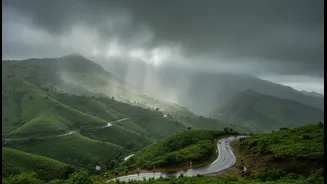
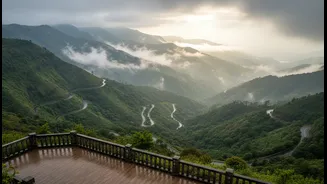
Every year, the monsoon transforms the Western Ghats into a breathtaking paradise. The promise of cascading waterfalls, lush greenery, and misty mountain roads is a powerful magnet for city dwellers. However, this beauty comes with significant and growing
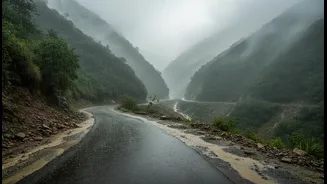
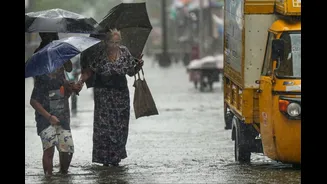
dangers. The current 2026 monsoon season has already seen an intense spell of rain, leading to multiple tragic incidents. In early July 2026, relentless downpours triggered major landslides in the Varandha Ghat and near Sinhagad Fort, forcing authorities to suspend tourist entry. The crucial Mumbai-Pune route has faced severe disruptions due to landslides in the Karjat-Lonavala ghat section, which received an astounding 600mm of rain in a single 24-hour period. These events are not isolated; authorities have reported over 20 landslides in the Pune district alone and have been forced to close the Varandha Ghat road as a precautionary measure. The combination of heavy rainfall saturating soil, unscientific hill cutting for infrastructure, and deforestation makes these steep slopes incredibly unstable. The result is a high risk of rockfalls, debris flows, and entire sections of road washing away, as tragically highlighted by recent accidents.
Official Warnings and a Call for Caution
The situation has become serious enough for authorities to issue strong public advisories. The India Meteorological Department (IMD) has put several ghat regions on red and orange alerts, warning of continued intense rainfall. The State Disaster Management Authority has explicitly advised people to avoid unnecessary travel to waterfalls and ghat sections. In some areas, like Thane district, entry to all forts and water bodies has been banned to prevent accidents. These are not suggestions but urgent pleas to prioritize safety over scenery. The romanticised drive through the winding ghats can quickly turn into a nightmare, with tourists getting stranded for hours or, worse, becoming victims of the terrain's fury. The message from officials is clear: this year, the risk is exceptionally high, and traditional monsoon haunts may not be worth the gamble.
Alternative 1: Coastal Serenity in Alibaug
If you crave the sound of water but want to avoid treacherous mountain roads, the coastal town of Alibaug is a perfect alternative. Located on relatively flat terrain, it eliminates the risk of landslides. The drive itself is straightforward, and you are rewarded with breezy beaches, historic forts, and a tranquil atmosphere. During the monsoon, the landscape is a vibrant green, and the beaches are less crowded, offering a peaceful retreat. You can explore Kolaba Fort during low tide, visit the serene Kanakeshwar Forest, or simply relax at a beachside villa. The ferry service from Mumbai, when operational, offers a scenic and hassle-free way to reach, bypassing road traffic altogether. It offers all the charm of a monsoon getaway without the anxiety of a ghat drive.
Alternative 2: Lakeside Bliss at Pawna and Mulshi
Instead of climbing up a ghat, consider settling down beside a serene lake. The areas around Pawna and Mulshi dams offer stunning monsoon scenery with a significantly lower risk profile. While they are in the lap of the Sahyadris, the main attractions are the vast, calm reservoirs surrounded by rolling green hills, rather than steep, unstable cliffs. You can book a stay at one of a number of resorts or campsites that offer panoramic views of the water. The region is perfect for those who want to enjoy the moody, rain-filled skies and lush landscapes from a safe and comfortable vantage point. Activities like leisurely walks, photography, and simply enjoying a cup of tea while watching the rain fall on the lake are the main draws here.
Alternative 3: The Flower Carpets of Kaas Plateau
For a truly unique monsoon experience, plan a trip to the Kaas Plateau near Satara. This UNESCO World Heritage site comes alive in the late monsoon, typically from late August onwards, when it transforms into a vibrant carpet of countless wildflower species. The area is a biodiversity hotspot and offers a different kind of natural beauty—one that is expansive and colourful rather than steep and dramatic. The drive to Satara is primarily on highways, and the plateau itself is a vast, open tableland, making it a much safer bet than a narrow ghat road. It’s an ideal destination for nature lovers and photographers. Just be sure to check the blooming season updates before you plan your visit, as the timing can vary each year.
Alternative 4: A Cultural Sojourn in and around Pune
Who says a monsoon getaway has to be all about nature? The rainy season is a wonderful time to explore the rich history and culture around Pune. Instead of risking a trek up a slippery fort, you can explore the city’s many museums, art galleries, and historic temples. A short, safe drive can take you to heritage sites that don't involve treacherous climbs. Consider visiting the ancient Karla and Bhaja Caves, which are easily accessible and offer a glimpse into the region's rock-cut architectural marvels. An urban or semi-urban getaway provides the perfect blend of interesting activities and the comfort of being in a well-connected, secure environment, ensuring your trip is memorable for all the right reasons.