



Swap Quinoa for Millets
Quinoa's reputation as a complete protein has made it a pantry staple for the health-conscious. While nutritious, it's often expensive. Enter India's humble millets—like jowar, bajra, and ragi—which are making a powerful comeback. Millets are not only
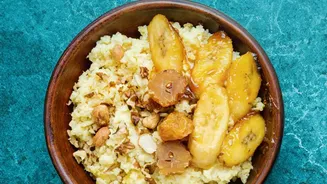
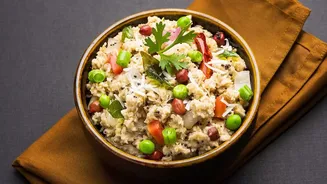
budget-friendly but also packed with nutrients. For instance, pearl millet (bajra) offers nearly three times more iron than quinoa, while finger millet (ragi) provides almost seven times the calcium. While quinoa is a complete protein on its own, traditional Indian meals almost always pair grains with dal or legumes, creating a complete protein profile naturally. For your lunchbox, a colourful millet salad with chopped vegetables and a light lemon dressing or a comforting portion of bajra khichdi is both nourishing and deeply satisfying.
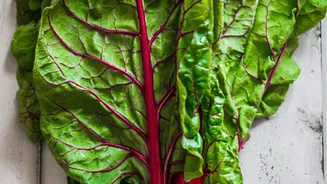
Swap Kale for Amaranth Greens
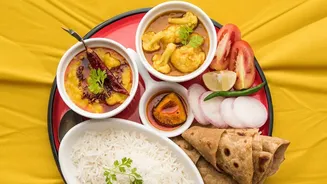
Kale has been the reigning queen of greens, but its price and availability can be a hurdle. A fantastic and nutritionally superior local alternative is amaranth greens, known as 'chaulai' or 'thotakura'. Cooked amaranth leaves offer a more robust nutritional profile than kale for fewer calories. They are significantly richer in minerals like iron, calcium, magnesium, and potassium, and contain much more folate. Amaranth greens are also a good source of protein and are easier to digest than the tougher kale leaves. A simple stir-fry of amaranth greens with garlic and a pinch of salt, or mixed into a dal, makes for a delicious and iron-rich side dish that pairs perfectly with roti or rice in a tiffin.
Swap Chia Seeds for Sabja Seeds
Chia seeds, native to Mexico, are famous for their omega-3 content and ability to form a gel in liquids. However, India has its own traditional counterpart: sabja, or sweet basil seeds. While chia seeds contain more omega-3 fatty acids, sabja seeds are no slouch. They tend to provide more fibre and significantly more calcium per serving. Sabja seeds are also well-known in Ayurveda for their cooling properties, making them perfect for India's climate. They swell up instantly in water, much faster than chia seeds, making them great for a quick addition to drinks or desserts. For a refreshing lunchbox addition, mix soaked sabja seeds into a bottle of water with a squeeze of lemon or add them to a light fruit salad for extra texture and fibre.
Swap Exotic Berries for Amla or Jamun
Goji berries and blueberries are often touted for their antioxidant properties but are imported, expensive, and not always fresh. Instead, turn to seasonal Indian powerhouses like amla (Indian gooseberry) and jamun (black plum). Amla is one of the richest natural sources of Vitamin C, far surpassing most exotic berries, and is a potent immunity booster. Jamun, available during the monsoon, is low in calories but loaded with vitamins and minerals that are beneficial for managing blood sugar levels. Both are a fraction of the cost. Pack a few pieces of fresh, seasonal jamun as a side fruit, or include a small portion of tangy amla pickle or murabba to complement your meal and boost your vitamin C intake.
Swap Avocado for Local Alternatives
The global demand for avocados has made them a pricey luxury in India. While they provide healthy fats, you can get similar benefits from more sustainable and affordable local foods. For that creamy texture in a sandwich or wrap, consider using a spread made from hung curd mixed with herbs, or even mashed boiled sweet potato. Bottle gourd (doodhi or lauki) is another versatile, low-calorie vegetable that can be cooked until soft and mashed into various dishes, providing fibre and essential vitamins. Even the humble banana, available year-round, is an excellent source of potassium and provides a creamy, satisfying element to any meal, whether eaten on its own or as part of a fruit chaat.