




Understanding the 'No PUC, No Fuel' Rule
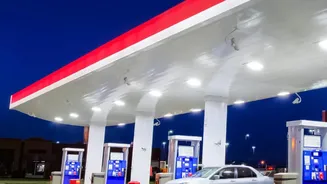
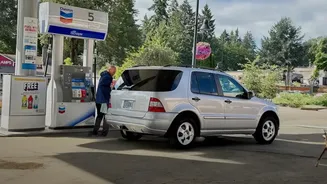
Starting October 1, 2026, authorities across Delhi and the National Capital Region (NCR) have mandated that fuel stations must deny fuel to any vehicle that does not possess a valid Pollution Under Control (PUC) certificate. This measure is part of the broader
Graded Response Action Plan (GRAP) aimed at curbing vehicular emissions, which are a major contributor to the region's severe air pollution, especially during the winter months. The rule applies to petrol, diesel, and CNG vehicles. To enforce this, many fuel stations are being equipped with Automatic Number Plate Recognition (ANPR) cameras that can instantly verify your vehicle's PUC status against the central Vahan database. The Commission for Air Quality Management (CAQM) has directed all NCR states, including parts of Haryana and Uttar Pradesh, to ensure strict compliance.
Is Your Vehicle Exempt?
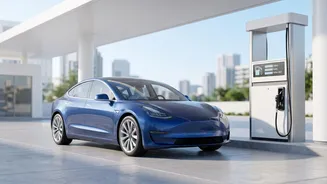
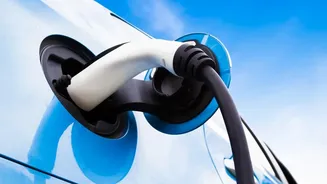
The PUC requirement is mandatory for all internal combustion engine vehicles, which includes those running on petrol, diesel, and CNG. The only vehicles that are exempt from needing a PUC certificate are electric vehicles (EVs), as they have zero tailpipe emissions. It is important to note that a valid PUC certificate does not exempt your vehicle from other GRAP restrictions. For example, during periods of severe air quality (GRAP Stage III), older BS-III petrol and BS-IV diesel cars may be banned from the roads in Delhi and certain NCR districts, regardless of their PUC status.
The Practical Compliance Checklist
Navigating the rule is straightforward if you follow a few simple steps. First, check the validity of your current PUC certificate. You can do this by visiting the official Parivahan portal online. You will need your vehicle's registration number and the last five digits of its chassis number. If your certificate has expired or is nearing its expiry date, you must get a new test done. These tests are conducted at thousands of authorized emission testing centers, many of which are located at petrol pumps and service stations. The cost is nominal, typically ranging from ₹60 to ₹100 depending on whether you have a two-wheeler or a four-wheeler (petrol or diesel). The entire process is quick; a probe is inserted into your exhaust to measure emissions, and if your vehicle passes, a new certificate is generated and linked to your vehicle's registration number instantly.
Validity Periods to Remember
The validity of a PUC certificate varies. For a new vehicle compliant with BS-IV or newer emission standards, the first certificate is valid for one year from the date of registration. After that, subsequent renewals are typically valid for one year. For older vehicles that are BS-III or below, the certificate generally needs to be renewed every three to six months. Failing to renew it in time automatically makes your vehicle non-compliant. The PUC certificate contains details like your vehicle's registration number, the date of the test, its expiry date, and the actual emission readings.
Heavy Penalties for Non-Compliance
Being denied fuel is not the only consequence of not having a valid PUC certificate. Under the Motor Vehicles Act, driving without a valid PUC is a punishable offense. Authorities are conducting enforcement drives, and if you are caught, you can face a hefty fine of ₹10,000. In addition to the fine, the penalty can include imprisonment for up to three months and a suspension of your driving license for three months. These penalties are significantly steeper since the Motor Vehicles (Amendment) Act of 2019 was passed, making compliance more critical than ever for every vehicle owner.