






The Science Behind the Hack
This popular home remedy relies on the distinct properties of its two simple ingredients. The primary actor here is sugar. Sugar is hygroscopic, which means it has a natural ability to attract and absorb moisture from the surrounding air. You may have
noticed this when a sugar bowl gets clumpy on a humid day; it's actively pulling water vapour from the atmosphere. This property makes it a mild, natural desiccant, or drying agent. The cloves, on the other hand, play a secondary but important role. While they don't absorb significant moisture, they are intensely aromatic. Their strong, pleasant scent helps to mask any musty odours that often accompany dampness. Furthermore, cloves possess natural antimicrobial and insect-repellent properties, which may help to deter pests and inhibit mould growth in a small, contained area.
How to Make Your Dampness-Fighting Pot
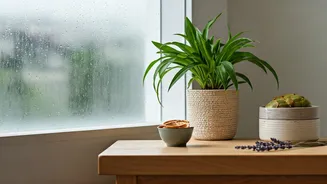
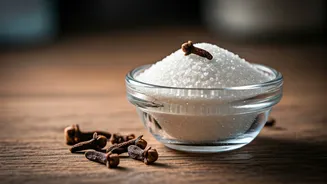
Creating this natural dehumidifier is incredibly simple and takes only a minute. All you need is a small, open bowl or a shallow container, some regular granulated sugar, and a few whole dried cloves. Start by pouring a layer of sugar into the bowl—about half a cup should be sufficient for a small space. There is no need to fill it to the brim. Next, take three to five whole dried cloves and simply drop them on top of the sugar. You can gently press them into the surface if you like, but it's not necessary. The key is to leave the bowl open to the air so the sugar can do its work. That's it; your homemade dampness protector is ready to be deployed.
Ideal Locations for This Hack
This method is best suited for small, enclosed spaces where air circulation is limited and dampness can become trapped. Think of places like wardrobes, linen closets, small pantries, shoe cabinets, and drawers. Placing a small bowl in the corner of a closet can help keep your clothes smelling fresh and feeling dry. It’s also useful in under-sink cabinets in the kitchen or bathroom, where ambient moisture can accumulate. The effectiveness is directly related to the size of the space; this hack is not powerful enough to dehumidify an entire room. It is a micro-solution for micro-environments.
Managing Expectations and Maintenance
While effective for mild dampness, it's crucial to understand the limitations of this hack. It is not a substitute for a proper dehumidifier in cases of high humidity, nor will it solve problems related to leaks or significant water damage. Over time, the sugar will absorb moisture and may become clumpy, hard, or even liquefy. This is a sign that it has absorbed its maximum capacity and needs to be replaced. Check the bowl every few weeks. If the sugar is hard and wet, it's time to discard the contents and prepare a fresh batch. It’s also worth noting that an open bowl of sugar can, ironically, attract certain pests like ants, so be sure to place it in an area where this is unlikely to be an issue.
Other Natural Solutions for Dampness
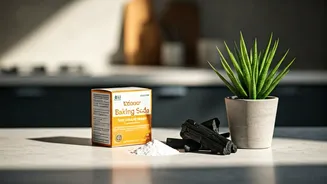
If you find the sugar and clove hack helpful, you might consider other natural materials that also absorb moisture. Bowls of rock salt or baking soda are also effective desiccants for small spaces. Charcoal briquettes, the kind used for grilling (not the chemically treated instant-light variety), are another excellent option as they are highly porous and absorb both moisture and odours. For a more active approach, ensuring good ventilation by opening windows and using exhaust fans is one of the most effective ways to reduce overall humidity in your home. Combining these small, natural absorbers with good airflow practices will provide the best defence against dampness.