





The Monsoon's Perfect Storm for Contamination
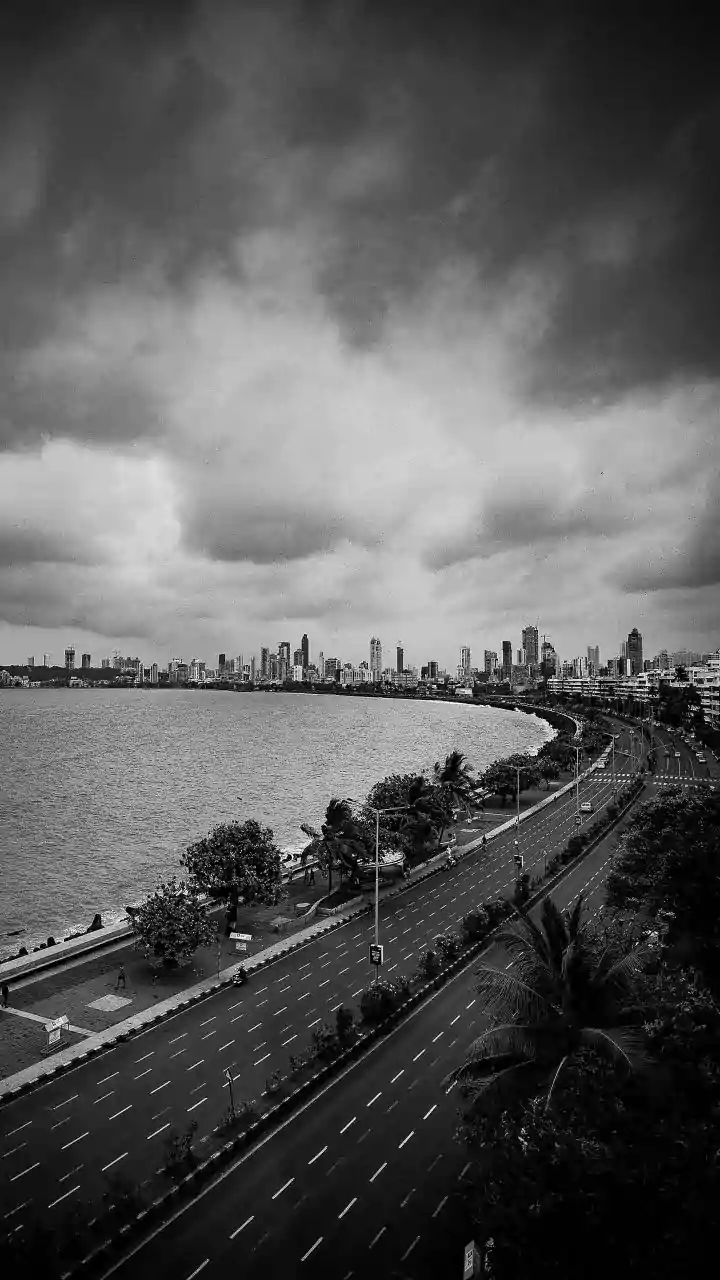
The arrival of the monsoon is a celebrated event across India, but the heavy rainfall creates a perfect storm for water contamination. Flooding and waterlogging are common sights, overwhelming outdated and strained civic infrastructure in many cities
and towns. This deluge puts immense pressure on underground systems. Sewage lines, often running perilously close to drinking water pipes, begin to overflow. The sheer volume of rainwater saturates the ground, creating a slurry of mud, garbage, and wastewater that seeks any point of entry into the cleaner water supply channels. This problem is particularly acute in areas with poor sanitation and ageing infrastructure, turning the rainy season into a high-risk period for waterborne diseases.
Breaches in the Barrier: How Pipes Get Compromised
Many urban water supply networks in India rely on pipelines that are decades old. Over time, these pipes develop cracks, leaky joints, and weaknesses. During the monsoon, the ground becomes saturated, and this is where a critical failure occurs. When water supply is intermittent, which is common in many Indian cities, the pressure inside the empty or low-pressure pipes drops. This creates a negative pressure, or suction effect, that actively pulls in the surrounding contaminated groundwater. Sewage, rich with pathogens from overflowing drains, can be literally sucked into the drinking water lines through these tiny, unseen breaches. Even if the water is treated properly at the source, this cross-contamination within the distribution network renders it unsafe by the time it reaches your tap.
The Invisible Invader: Salmonella Typhi
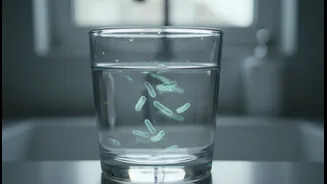
The primary culprit behind typhoid fever is a bacterium called Salmonella Typhi. It spreads through the faecal-oral route, meaning it is transmitted by ingesting food or water contaminated with the faeces of an infected person. This is precisely what happens when sewage infiltrates drinking water pipelines. The bacteria are invisible to the naked eye, so the water may look, smell, and taste perfectly normal while being dangerously contaminated. Once ingested, Salmonella Typhi multiplies in the intestines and enters the bloodstream, leading to the systemic infection known as typhoid fever. The monsoon season, with its rampant mixing of sewage and water, provides the ideal conditions for this bacterium to travel from drains into homes.
Recognising the Red Flags of Typhoid
Symptoms of typhoid usually appear one to three weeks after infection and can be mistaken for other common fevers, making early diagnosis tricky. The most characteristic symptom is a prolonged high fever that can reach 104°F (40°C). Other common signs include severe headache, weakness and fatigue, muscle aches, stomach pain, and a loss of appetite. Some patients may experience constipation, while others have diarrhoea. In some cases, a rash of rose-coloured spots may appear on the chest. Because these symptoms overlap with other monsoon-related illnesses like dengue and malaria, it is crucial not to ignore a persistent fever and to seek a proper medical diagnosis.
Your Household Defence: How to Stay Safe
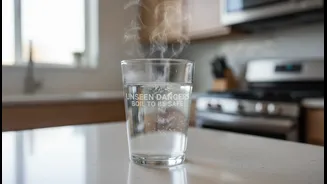
Given the risks of pipeline contamination, taking precautions at home is your most reliable line of defence. The single most effective method to ensure water safety is to boil it. Bringing water to a rolling boil for at least one to three minutes kills bacteria like Salmonella Typhi. If you have a water purifier, ensure it uses multi-stage purification like RO (Reverse Osmosis) and UV (Ultraviolet) systems, which are effective at removing bacteria and viruses. Also, be vigilant about hygiene. Wash your hands thoroughly with soap, especially before eating and after using the toilet. Avoid drinking water from untreated sources, and be cautious of street food, raw salads, and chutneys that may have been prepared with contaminated water.