



Why Visit Wayanad Post-Monsoon?
The months from September to November transform Wayanad into a vibrant paradise. The heavy rains have subsided, leaving behind a world of unparalleled greenery, replenished waterfalls, and clear, crisp air. The landscape, washed clean by the monsoon,
is at its most photogenic, with sprawling tea estates and spice plantations shimmering under pleasant skies. This season offers the perfect balance: the beauty of the rains without the constant downpour, making it ideal for sightseeing and outdoor activities. With fewer tourists than in the peak winter season, you can enjoy popular spots like Pookode Lake and Banasura Sagar Dam in relative peace.
The Journey From Bengaluru
Wayanad is highly accessible from Bengaluru, making it an ideal road trip destination. The drive is approximately 280-300 kilometres and typically takes six to seven hours. The most popular route is via Mysuru and Gundlupet, which takes you through the scenic Bandipur Tiger Reserve. Be mindful that the forest gate for this route is closed from 9 PM to 6 AM, so plan your travel times accordingly. For those who prefer public transport, several KSRTC and private buses operate daily, including overnight services from Bengaluru to Kalpetta, Wayanad's main town. Alternatively, you can take a train to Kozhikode, the nearest major railway station (about 85 km from Wayanad), and then hire a taxi or take a local bus for the final leg of the journey through the winding ghat roads.
Finding Your Perfect Homestay
To truly soak in the local culture, skip the conventional hotels and opt for a homestay. Wayanad is dotted with a wide variety of options, from rustic cottages nestled within tea and coffee plantations to serene villas with views of the Chembra Peak. Areas like Vythiri are known for their misty, high-altitude stays, while Kalpetta offers central access to most attractions. Staying with a local family provides an authentic experience, complete with delicious home-cooked Kerala cuisine and invaluable tips on exploring hidden gems. These stays often facilitate activities like plantation walks, bird watching, and arranging bonfires, offering a more personal and memorable trip.
The Thrill of Post-Monsoon Rafting
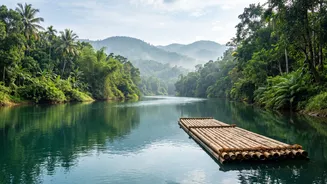
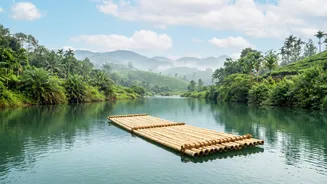
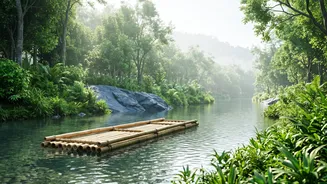
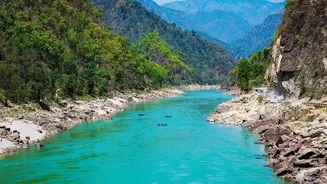
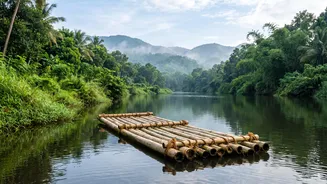
While heavy monsoon is the peak for intense rapids, the post-monsoon period offers a fantastic and often safer rafting experience. Several operators offer white-water rafting on rivers like the Mananthavady and bamboo rafting on the tranquil tributaries of the Kabini river, such as at Kuruva Island. Post-monsoon water levels are ideal for beginners and those looking for a mix of thrill and scenic beauty. You can navigate through gentle rapids while surrounded by lush forests. Another popular and safe option, especially for groups with mixed experience levels, is rafting on the Pozhuthana river, known for its calm flow and beautiful surroundings. Operators provide all necessary safety gear and briefings, ensuring an exciting yet secure adventure.
Beyond the Rapids: Other Must-Do Activities
Wayanad's allure extends far beyond its rivers. The post-monsoon season is excellent for trekking, though some trails like Chembra Peak may have seasonal restrictions, so it's best to check its status before you go. A visit to the ancient Edakkal Caves, with their 6,000-year-old petroglyphs, is a must for history enthusiasts; the climb up offers stunning panoramic views. The waterfalls are in their full glory, with Soochipara Falls and Meenmutty Falls being major attractions. For a more relaxed afternoon, enjoy boating at Pookode Lake or marvel at the scale of Banasura Sagar Dam, the largest earthen dam in India.