








A Legacy System Overwhelmed
Many of India's urban drainage networks are relics of a different era. Some systems in older city cores date back to the colonial period, designed for much smaller populations and vastly different landscapes. These networks were engineered for a time
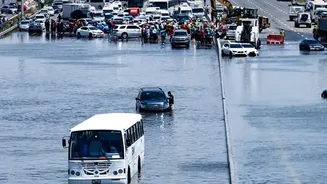
when cities had more open, unpaved areas that naturally absorbed a significant portion of rainwater. Traditionally, drainage designs were based on a return period of one in two years, meaning some level of flooding was considered inevitable. However, these decades-old calculations did not account for the pressures of modern urban life, leaving them critically undersized and incapable of handling the runoff generated today. The result is a system fundamentally mismatched with the demands of a 21st-century metropolis.
Urban Sprawl's Concrete Consequences
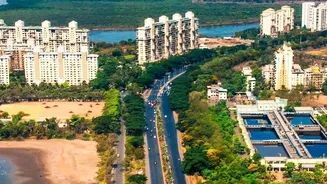
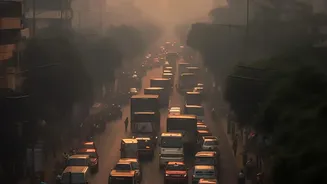
The rapid, often unplanned, expansion of Indian cities is a primary driver of urban flooding. As cities have grown, permeable soil, wetlands, ponds, and lakes have been systematically replaced with concrete and asphalt. This 'surface sealing' prevents rainwater from percolating into the ground, dramatically increasing the volume and speed of surface runoff. For instance, Bengaluru has lost nearly 80% of its water bodies over the decades, severely compromising its natural flood defences. Furthermore, widespread encroachment on natural drainage channels and river floodplains has constricted the pathways for water to exit the city. This combination of increased runoff and blocked outlets means that even moderate rainfall can quickly overwhelm drainage systems that are already operating at or beyond their intended capacity.
The Twin Threats of Climate and Waste
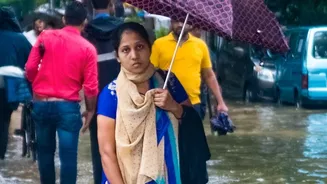
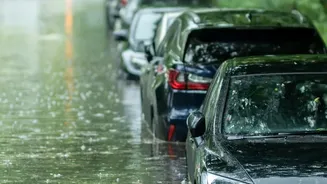
Climate change is compounding the problem by changing rainfall patterns. Instead of steady drizzles, cities are increasingly experiencing short, high-intensity downpours that dump a massive amount of water in a few hours. Existing infrastructure was never designed to cope with such cloudbursts. This problem is exacerbated by a crisis of solid waste management. Drains across the country are frequently choked with plastic, silt, and construction debris, drastically reducing their carrying capacity. In many cities, stormwater drains also illegally carry raw sewage, further complicating maintenance and flow. The failure to consistently desilt and clean these networks before the monsoon means that even a well-designed drain can become completely ineffective, turning streets into stagnant pools.
What a Modern Upgrade Entails
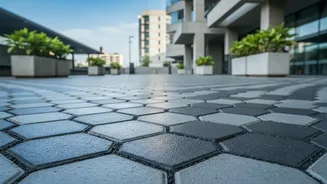
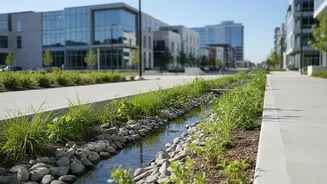
Upgrading India's drainage is not simply about building bigger pipes. It requires a holistic, modern approach to urban water management. The National Disaster Management Authority (NDMA) has issued guidelines that treat urban flooding as a distinct disaster, calling for an integrated strategy. This includes adopting 'Sponge City' principles, which use permeable pavements, green roofs, and rain gardens to absorb water where it falls. Protecting and restoring urban water bodies like lakes and wetlands is crucial, as they act as natural retention zones. Experts also advocate for better city planning using technologies like GIS to map watersheds and create comprehensive drainage master plans, which many cities currently lack. Crucially, this must be paired with strict enforcement against encroachment and a revamped solid waste management system to keep drains clear.